Across a Land This Vast, Every Journey Takes Its Own Course
On Xinjiang, and the way we think about travel.
Travel often begins as a list of names.
Urumqi. Sayram Lake. Yining. Kashgar. Turpan. Altay.
They are arranged into an itinerary, each assigned a day, a distance, a hotel, a departure time. Add a vehicle, a few meals and a list of places to see, and the journey can look complete before it has even begun.
But Xinjiang rarely works that way.
The region is vast, though distance is only part of what that means.
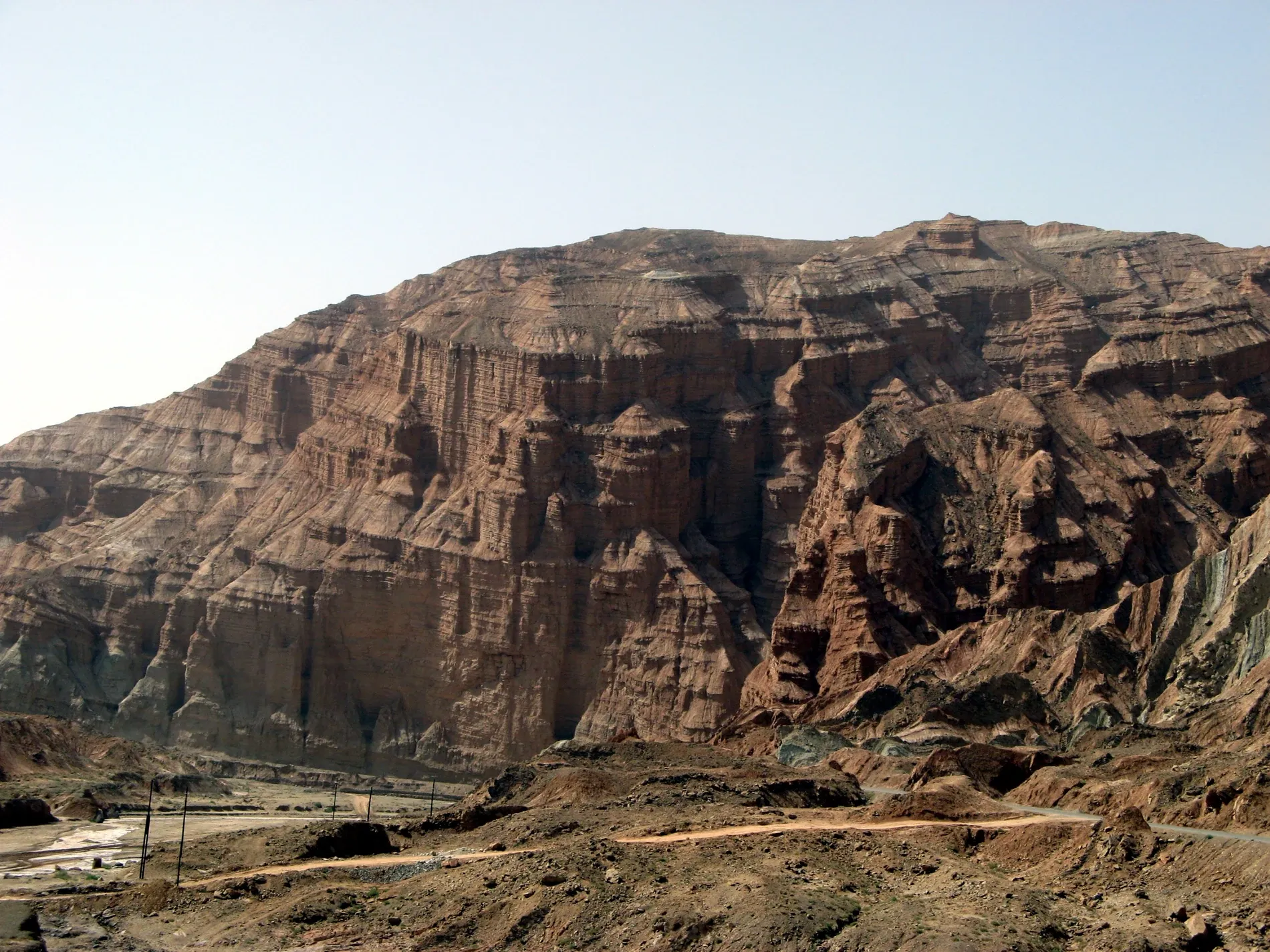
Cross the Tianshan Mountains and the climate changes. Leave the Ili Valley and the colours change. Follow the Irtysh north, or drive for hours through grassland, forest and desert, and the landscape keeps rearranging itself around you.
Sometimes a single mountain pass is enough to enter another world of light, weather and terrain.
The longer we travel here, the less we believe there is such a thing as one best route through Xinjiang.
Across a land this vast,every journey takes its own course.
The Journey Begins with the Person
It is easy to begin with the destination.
Where should we go?
How many days do we have?
Which road should we take?
What should not be missed?
For a long time, those seemed like the natural first questions.
Now we think the order should be reversed.
The first question is simpler:
Who is travelling?
A family arriving with young children should not move through Xinjiang at the same pace as two people who enjoy long days of hiking.
Someone visiting China for the first time will encounter Kashgar differently from someone returning to Xinjiang after many years.
One traveller may happily wait an hour for the light to change before sunset.
Another may care far more about starting the day slowly.
Some want to understand how a city lives. Others come here because they want several quiet days among mountains.
Age, stamina, dietary needs, daily habits, interests and expectations all matter.
So does something less measurable:
why this person has chosen to travel now.
All of these things change a journey.
And once we begin there, the route stops being the starting point.
We try to understand the person first,then decide how the journey should unfold.
Beyond the Itinerary
The route still matters.
But the things people remember most clearly are not always the things printed on an itinerary.
Sometimes a journey begins with the way someone is met at the airport.
Sometimes it is the decision to start an hour later after several long days on the road.
Sometimes bad weather arrives, and the traveller does not have to spend the next two hours working out what happens next.
It might be a better choice of dinner.
An unplanned stop.
A driver who notices a beautiful stretch of road and does not rush past it.
These are small things.
Too small, perhaps, to appear under a heading called “product highlights.”
Yet the texture of a journey is often made from precisely these decisions.
What kind of vehicle?
How far should we travel today?
Where should we stop?
When should we keep moving?
When should nothing be planned at all?
These are not extras.They are the journey.
A good trip is not simply one that reaches more places.
Sometimes what matters is knowing when to keep moving, and when to slow down.
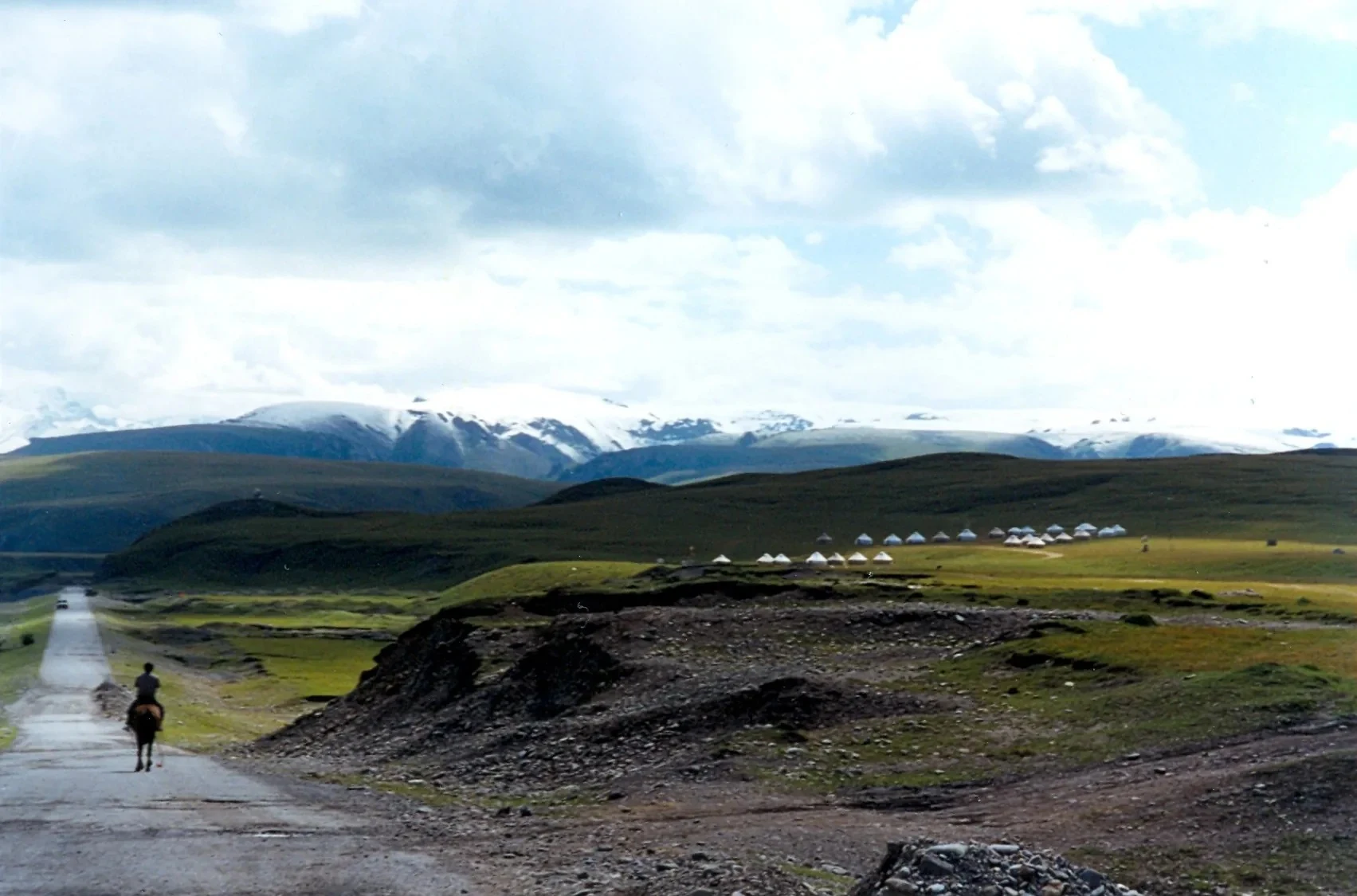
Sayram Lake, Xinjiang
We Are Still Learning Xinjiang
We have spent a great deal of time writing about Xinjiang.
About mountains.
Forests, lakes and grasslands.
About rivers moving across enormous distances, and roads that climb through the Tianshan, descend into valleys and disappear into desert.
We have written about Kashgar, Turpan and Urumqi, and we keep returning to the Ili Valley.
The more we write, the less willing we are to reduce Xinjiang to a single description.
There is no fixed version of this place.
Xinjiang in spring is not Xinjiang in winter.
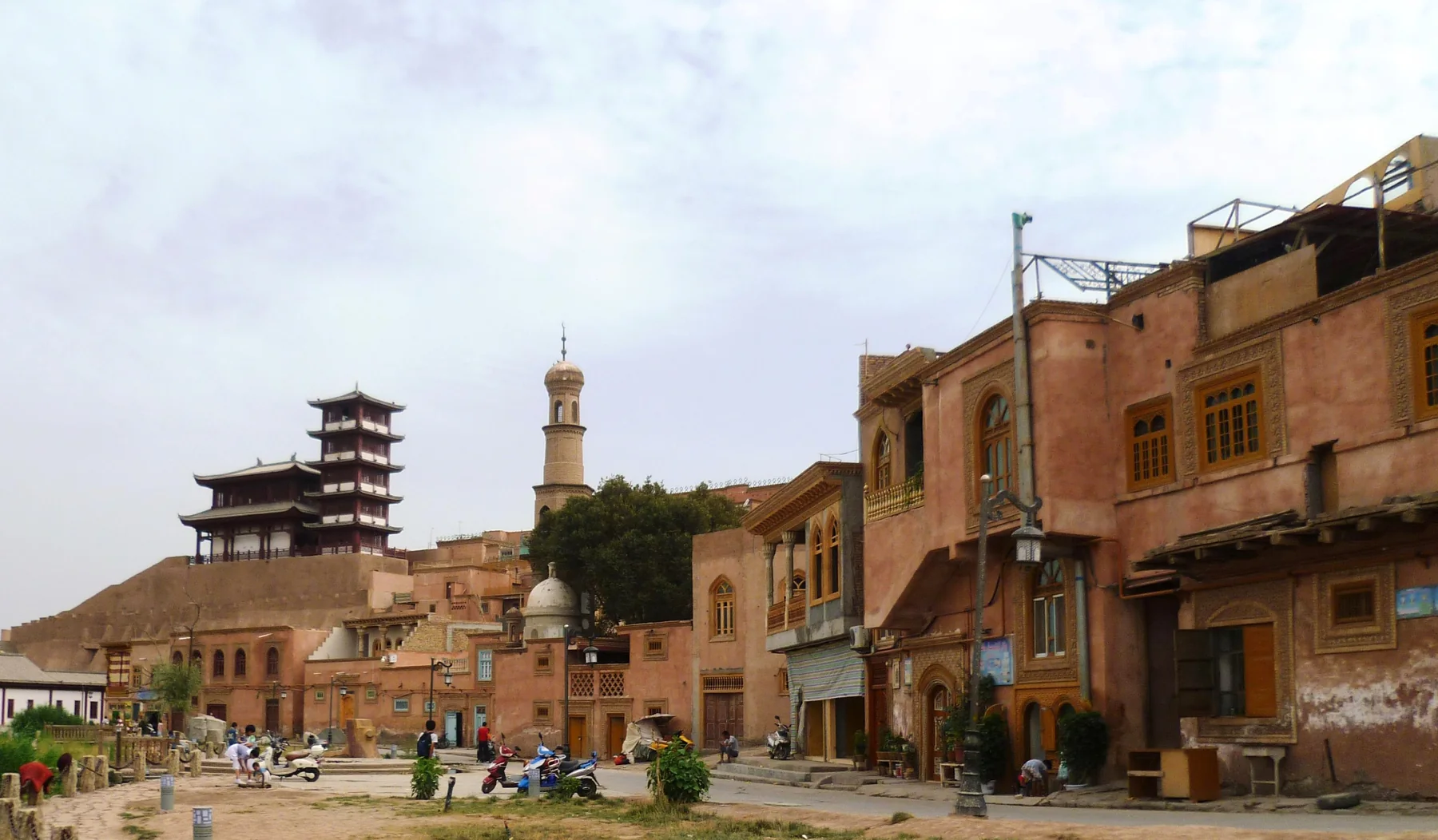
Xinjiang seen from the road is different from Xinjiang encountered on a city street.
Kashgar, Xinjiang
Someone arriving for the first time sees something different from someone who has lived here for decades.
Even the same traveller may return years later and find the place changed.
Perhaps the landscape has not changed at all.
Perhaps they have.
This is why we do not write about Xinjiang simply to build a longer list of places worth visiting.
We write because we are still trying to understand it ourselves.
Where does a river begin, and where does it go?
Why does a forest grow here and not fifty kilometres away?
What changes when a road crosses a mountain range?
How do geography, weather and distance shape the way people live?
Some places deserve a journey of their own.
Others become memorable only because you happened to pass through them at the right moment.
The better we understand a place, the better we can decide:what belongs in a journey.And, just as importantly,what is better left unplanned.
With Each Arrival

Some people want to go farther.
Some need to travel more slowly.
Some want to disappear into the mountains.
Others would rather spend an afternoon wandering through a city with nowhere in particular to be.
For some, this is a first arrival.
For others, a return.
So we prefer to begin again each time.
To understand who is coming.
To look again at the season, the distances and the road ahead.
To decide whether this journey should move quickly or slowly; whether to go farther, or stay longer.
Xinjiang does not change simply because we arrive.
What changes is the way each person encounters it.
That is why the same road can be travelled more than once, and the same place can be worth returning to.
Each arrival may reveal something we did not see before.
Perhaps that is part of what keeps us travelling.
Across a land this vast,every journey takes its own course.
With each arrival,Xinjiang reveals itself anew.
YUANMU TRAVEL