WeChat published layoutCopy articleRebuilt from the previous published template
WeChat published layout
YUANMU TRAVEL NOTES · ROUTE DESIGN
A better name is not enough. The city, road, hotel, meal and experience should change in ways a traveller can actually feel.
A route name is only the door. “Easy-paced”, “panoramic”, “in-depth” and “curated” become meaningful only when they change how a day feels, what kinds of landscapes appear, how long you stay, and what level of service you actually receive.
We use these words too. Travel needs shorthand. A single phrase can help a traveller understand the broad pace and character of a journey.
But once a word enters the title, it becomes a promise. Where is an easy-paced trip actually easier? What makes a route panoramic rather than simply long? What does “in-depth” add beyond distance? And if something is curated, what has really been selected more carefully?
Time comes back to the traveller
Less pointless backtracking. More room for meals, sleep, walking and choice.
The world actually changes
Lakes, cities, forest, grassland and road should not feel like repeated versions of the same backdrop.
The same place gains layers
From looking to walking. From daylight to evening. From taking a photograph to understanding what you are seeing.
Timing and resources become more precise
When you arrive, where you stay, how many people travel together and how quickly the trip can respond should all be different.
A label can open the conversation. It cannot design the route for you.
Cities, consecutive stays, breakfast and dinner all belong to the journey.
“Easy-paced” is often reduced to a better hotel or a more comfortable vehicle. Those things matter. But if every day is still packed tight, travellers are simply rushing in better seats.
An easier pace changes how time is used. Is there room to settle after arrival? Is there recovery after a long drive? Does a place worth staying in get pushed aside by the next stop? Are you repacking before dawn every morning?
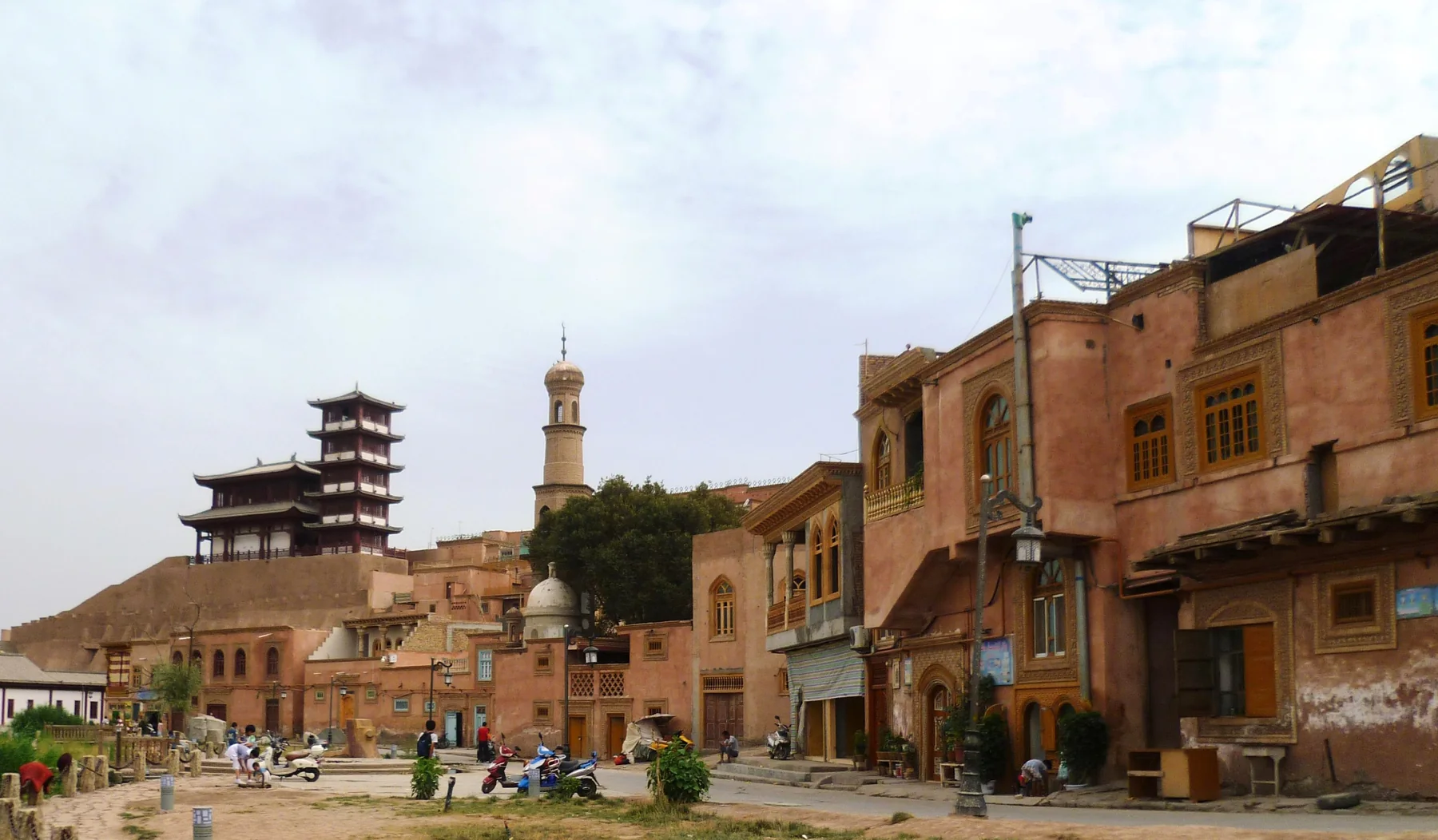
Take Yining in the Ili Valley. If it is always treated as “the night between Sayram Lake and the grasslands”, it remains a place to sleep. Walk for a while around Liuxing Street or the Kazanqi neighbourhood, and the scale changes. After days of big landscapes, the journey comes back to courtyards, shops, food and ordinary street life.
You do not need to turn every café or storefront into a task. Walk slowly. Look into the courtyards. Try a local sweet or a piece of bread. Sit down for dinner without checking the clock. That is enough to make a city part of the trip rather than a line under accommodation.
Why Yining is worth stopping for
After strong natural scenery, city life can work as a recovery chapter. The point is not to collect another famous street, but to bring the journey back from mountains and lakes to food, neighbourhoods and human scale.
Consecutive nights can do the same. They reduce repacking, check-ins and check-outs without reducing the amount of Xinjiang you experience. A place feels different when you know you are not leaving first thing in the morning.
Easy-paced travel does not sell “less”. It gives time back to the traveller.
Lake, city, forest, grassland and road should each carry a different chapter.
Five grasslands in a row can be magnificent and still not feel panoramic. The point is not count. It is range.
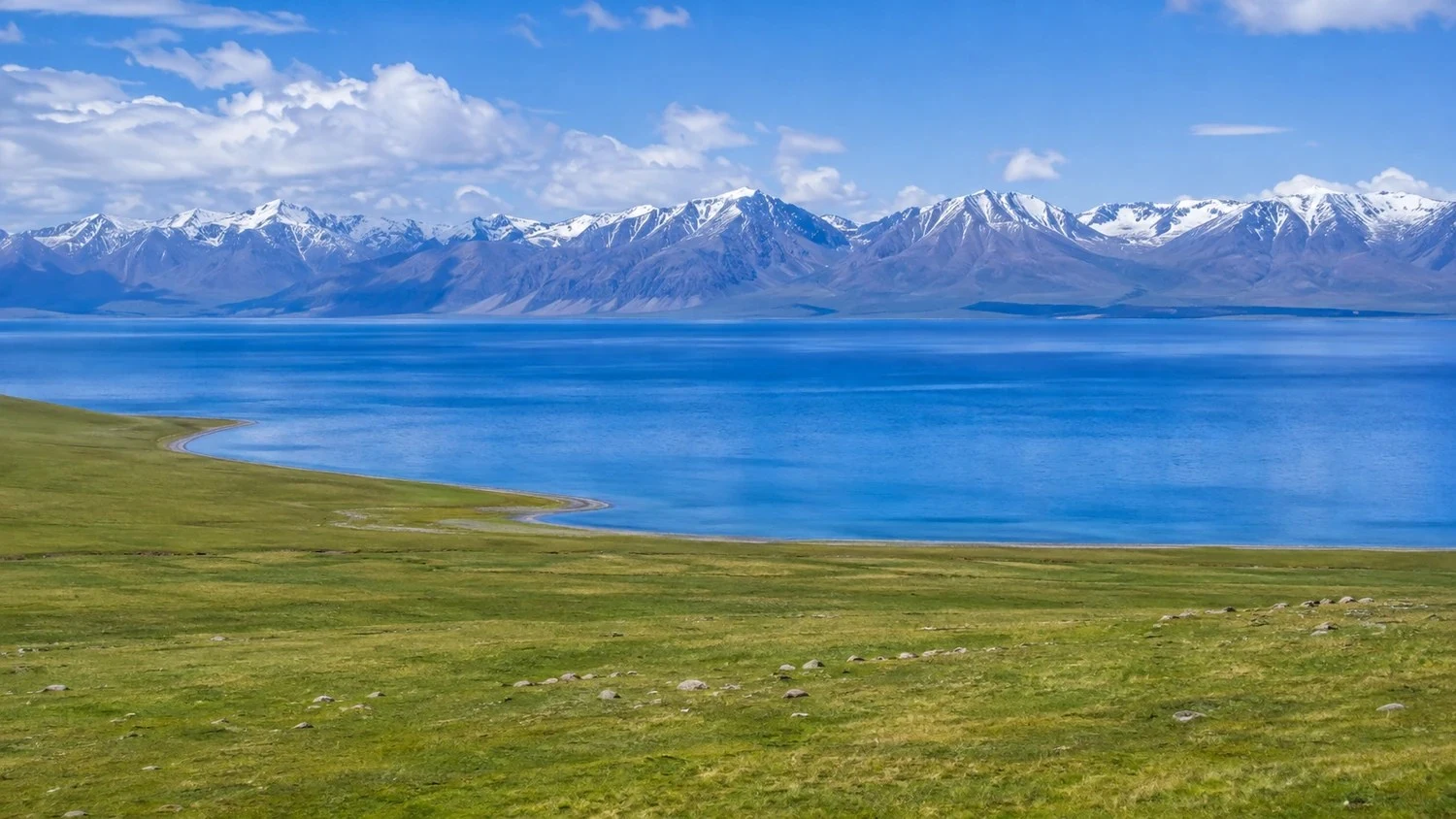
Sayram Lake opens the view. Water, high mountains, wind and a long shoreline create a sense of scale. Guozigou then begins to change the terrain and vegetation as the road drops towards the warmer Ili Valley.
Yining brings city life back into the journey. Kuerdening takes the view into forest and valley. Nalati and Kalajun open the scale again across high pasture. Roads such as Yizhao and Duku can turn the act of moving between these places into part of the experience itself.
These places belong together not because they are famous, but because they are different. Lake opens space. City brings back daily life. Forest slows the eye. Grassland enlarges the horizon again. The road makes the changes legible.
Panoramic travel is not “how many places did I visit?” It is “how many different Xinjiangs did I actually enter?”
10 DAYS · ROUTE PROOF
YUANMU TRAVEL · NORTHERN XINJIANG
Altay, Kanas & Sayram Lake — Mountains, Lakes & Canyons
A panoramic route should not mean more attractions. It should mean that the landscape keeps changing in ways a traveller can actually feel.
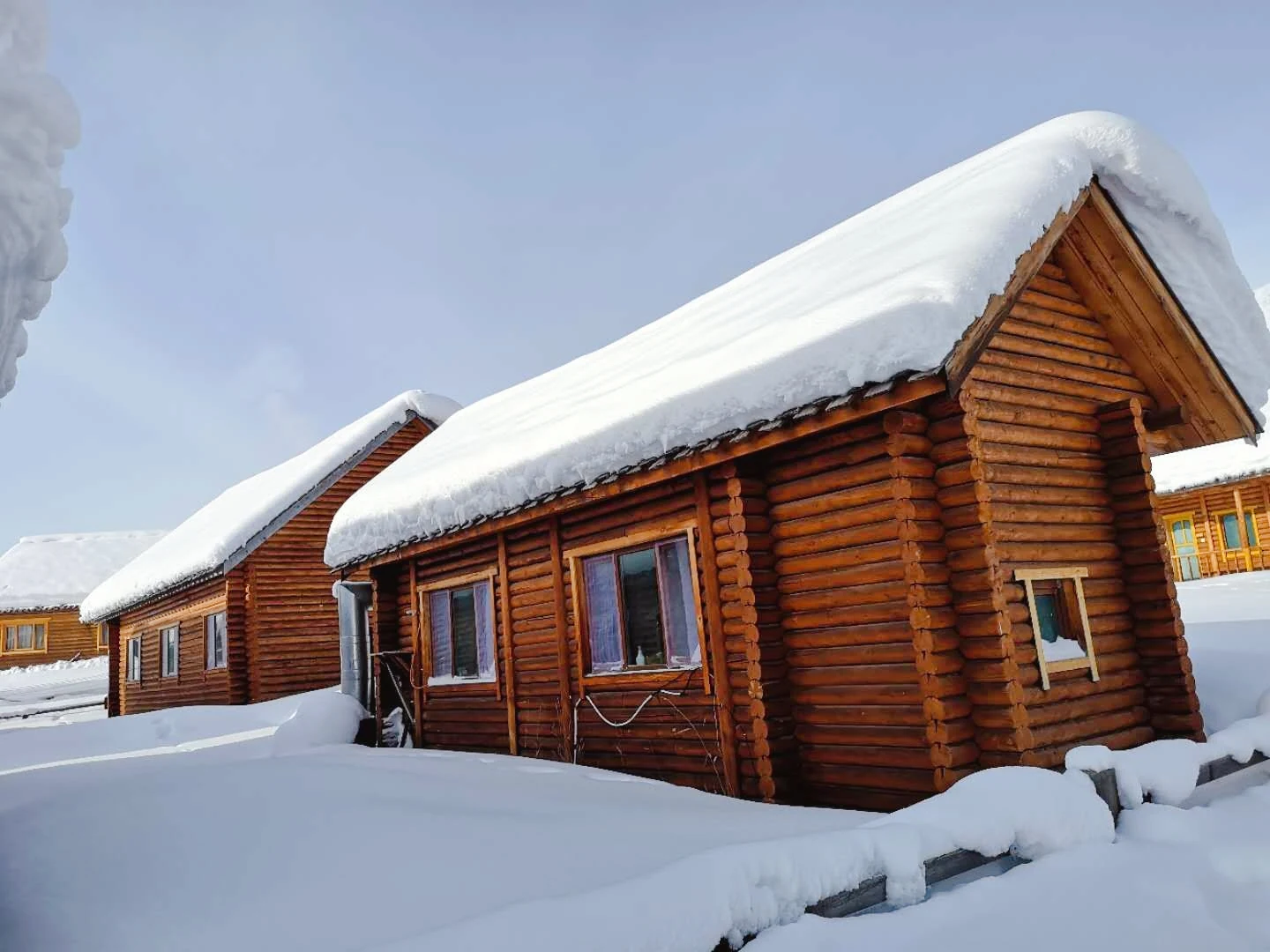
Travel north into Altay mountain country, where Hemu, Kanas and Baihaba establish the first chapter of forest, village life and lake valleys.
Leave the mountains and the land becomes drier and wider. Desert, poplar and wind-shaped terrain take over the visual rhythm.
Sayram Lake slows the route down again, replacing dryland with water, high mountains and long open shorelines.
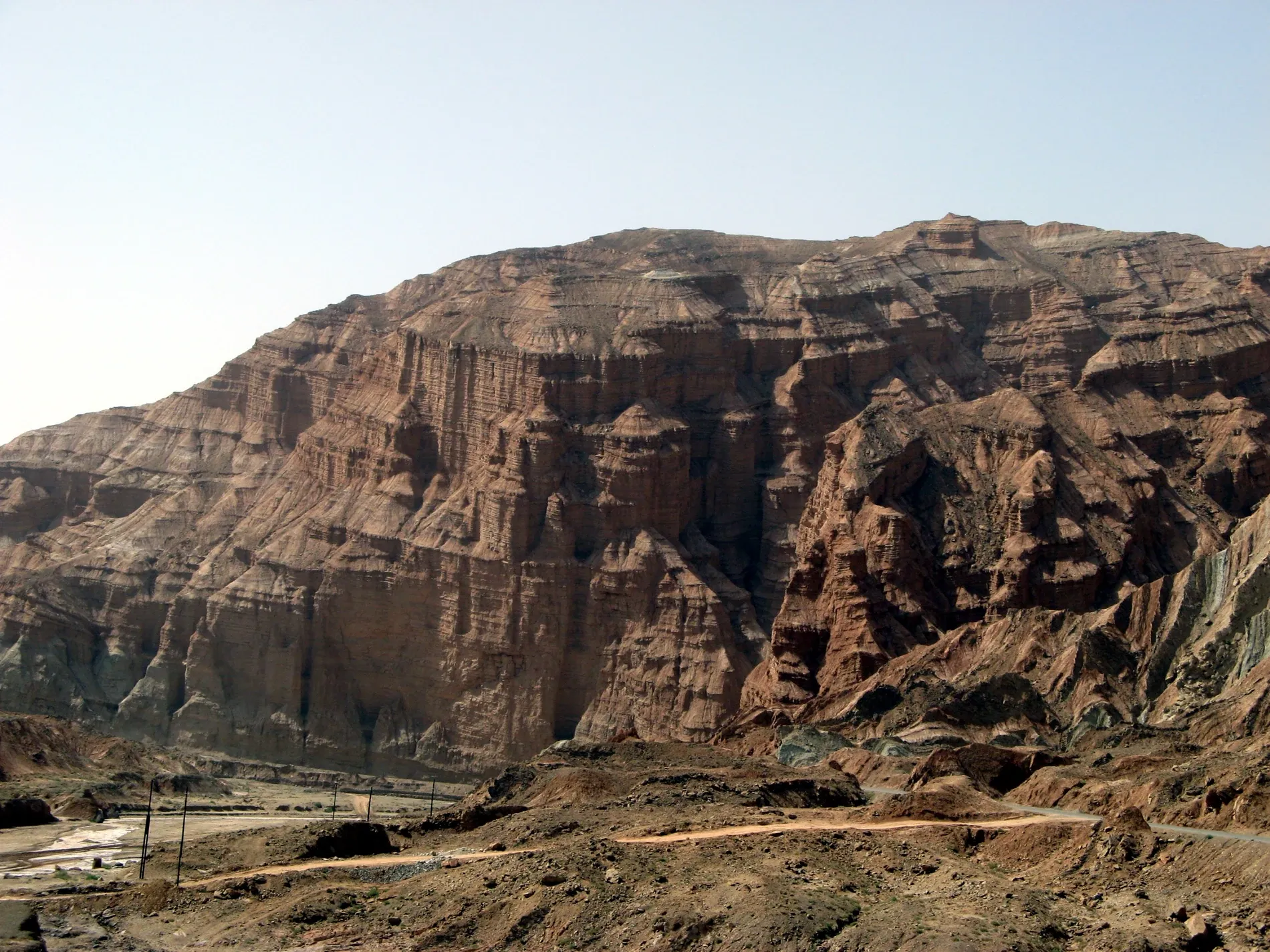
The northern Tianshan canyons bring the journey to a stronger geological close rather than ending with another version of the same scenery.
What increases is not the attraction count. It is the contrast between landscapes.
This is a structural route overview, not a public day-by-day itinerary. Road access, scenic-area opening and actual operations are confirmed for each departure.
Travel north from Urumqi into Altay mountain country, where villages, forest and lake valleys establish the first major landscape chapter.
Leave the mountains for drier, more open country. Desert, poplar and wind-shaped land gradually take over the visual rhythm.
Sayram Lake slows the pace again before the canyons along the northern Tianshan bring the route to a stronger geological finish.
But seeing many kinds of Xinjiang is not the same as depth. Panoramic travel answers a question of space. Depth begins when, after arriving, you are willing to stay a little longer.
Move from photographing to walking; from looking to participating.
Going deeper does not always require a longer map. Often it simply requires not leaving yet.
At Sayram Lake, a circuit around the shore is one way of seeing it; sunset is another. Stay nearby and the next morning brings different light, wind and visitor patterns. If conditions and current operations make it appropriate, a suitable water-based activity can change the point of view again. If not, a slow walk by the lake can be enough.
At Kanas, the lakeshore, a higher viewpoint and a walk through the Three Bays are three different scales. At Hemu, the viewpoint gives you the whole village; the river and birch forest give you its details. A place becomes deeper when it can be entered in more than one way.
Family and themed travel make this even clearer. Lavender is not only a field of purple; when the season and local resources allow, it can lead into processing and the local fragrance industry. Grassland can become a place to observe plants and pastoral life. Zhaosu’s horse culture can go beyond riding and open into breeding, animal care and the practical knowledge behind a pastoral landscape.
More activities do not automatically create a deeper trip
A useful experience has to fit the place, the time and the traveller. Walking, riding, photography, craft or water activities should answer one question: why does this make sense here?
Depth is not a longer map. It is the moment a place moves from “seen” to “understood”.
The real difference often lies in timing, position and service detail.
“Curated” is easy to make vague because it does not always change the geography. That is exactly why the difference has to appear somewhere the traveller can feel.
At Sayram Lake, arriving late in the afternoon, taking a quick photograph and leaving is not the same as staying in a position that gives you evening light and the next morning. At Hemu, sleeping outside the village and moving through quickly is not the same as giving the village its own night.
A vehicle can follow the same road and still deliver a different trip. Is there real room for luggage? Are long drives comfortable? Does the driver know the mountain roads and practical stopping points? A hotel can carry the same rating and still create a worse day if its location adds unnecessary driving the next morning.
Group size matters too. Six people and more than twenty do not move through a day at the same speed. Getting off the vehicle, regrouping, eating, connecting with scenic-area shuttles and adjusting when weather changes all take longer as the group grows. In Xinjiang, where distances are long and service density varies, small-group value often appears in the parts of travel that are hardest to photograph.
A curated trip does not have to redraw the map. It does have to improve the time, position and responsiveness the traveller actually receives.
What matters more than a ranking is how food belongs to the day.
Food is one of the easiest parts of route design to underestimate.
Fish from Burqin and the Irtysh basin makes sense within a northern lake-and-mountain journey because it belongs to the local geography. In Yining, ice cream, bread and courtyard meals fit naturally after a city walk because taste and street life belong to the same chapter. In mountain villages, dairy, meat and simpler meals connect more directly with local conditions.
Restaurant rankings change. Opening hours change. What lasts longer is the idea of a food point: what taste helps explain this place, when does it fit the day, and is the meal worth giving real time to?
Sometimes the part people remember is not another scenic area. It is finally sitting down in Yining after a day of mountains and grassland and realising no one is checking the clock.
Food is not a reward after the itinerary. It can be one of the ways a city becomes understandable.
Duku, Yizhao, Guozigou and Ahe matter for more than simply getting through.
Xinjiang has many roads worth remembering. That does not mean every road should be sold as a “scenic highway”.
A road deserves to become a travel chapter when it connects two genuinely different spaces, when the change can be felt over time, when there are safe and sensible ways to stop, and when season and weather are treated as part of the design rather than an inconvenience.
Guozigou matters because it connects the high lake with the Ili Valley. Yizhao and Duku depend more heavily on seasonal mountain access. Ahe matters because the road itself carries the eye from open northern country into the Altay Mountains.
Putting these roads into a journey is not a way to make the itinerary look fuller. It is an acknowledgement that some of Xinjiang’s most important travel happens outside a scenic-area gate.
A product word matters only if the traveller can feel the difference.
You are genuinely less rushed
Meals, rest and walking have space, and the day can absorb a change in weather.
You genuinely enter different worlds
Lakes, city streets, forest, grassland, canyon and road do not blur into the same backdrop.
You genuinely get closer
The same place receives more time, more walking and more ways to understand it.
You genuinely receive a better trip
Timing, position, vehicle, group size and on-the-ground response are visibly more precise.
If those differences exist, the words are useful.
If they do not, the words are only packaging.
We would rather a route explain itself: why it goes this way, why it stays here, and why this is the place worth slowing down for.
Xinjiang is large enough to hold world-class lakes and mountains, ordinary neighbourhoods, markets, long roads and an unhurried dinner in the same journey. A complete arrival often depends on all of them.
Let easy-paced describe the rhythm. Let panoramic describe the space. Let in-depth describe the way you stay. Let curated describe the resources and service. The words can stay in the title. The difference has to happen on the road.
IMAGE CREDITS & LICENSING
Sayram Lake: Fumikas Sagisavas / Wikimedia Commons / CC0 1.0.Zhaosu summer fields: Nyx Ning / Wikimedia Commons / CC BY-SA 3.0.Kanas Lake: Fanghong / Wikimedia Commons / CC BY-SA 3.0.Zhaosu grassland horse pastoral system: HaziiDozen / Wikimedia Commons / CC BY-SA 4.0.G217 Duku Highway: Tigerzeng / Wikimedia Commons / CC BY-SA 4.0.All images are used under the licenses shown. This edition only resizes/compresses images for publication; no substantive visual alterations have been made.
A vast land. More than one way to travel. See Xinjiang differently, every time you arrive.
Easy-paced | Get people out of permanent transit mode
Cities, consecutive stays, breakfast and dinner all belong to the journey.
Panoramic | Not more attractions, but more kinds of space
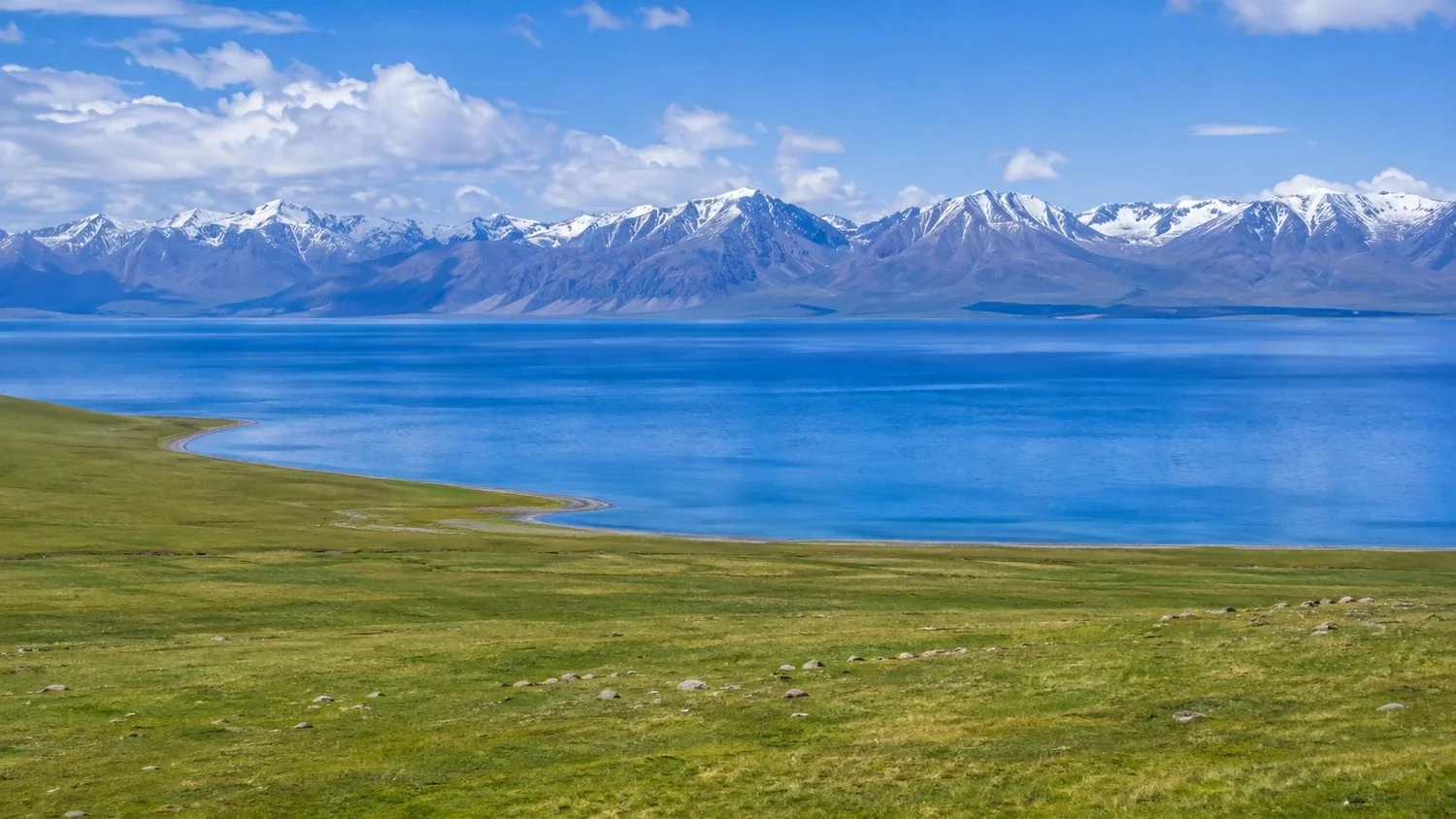
Lake, city, forest, grassland and road should each carry a different chapter.
In-depth | Let the same place reveal another layer
Move from photographing to walking; from looking to participating.
Curated | The map may stay the same, but the experience should not
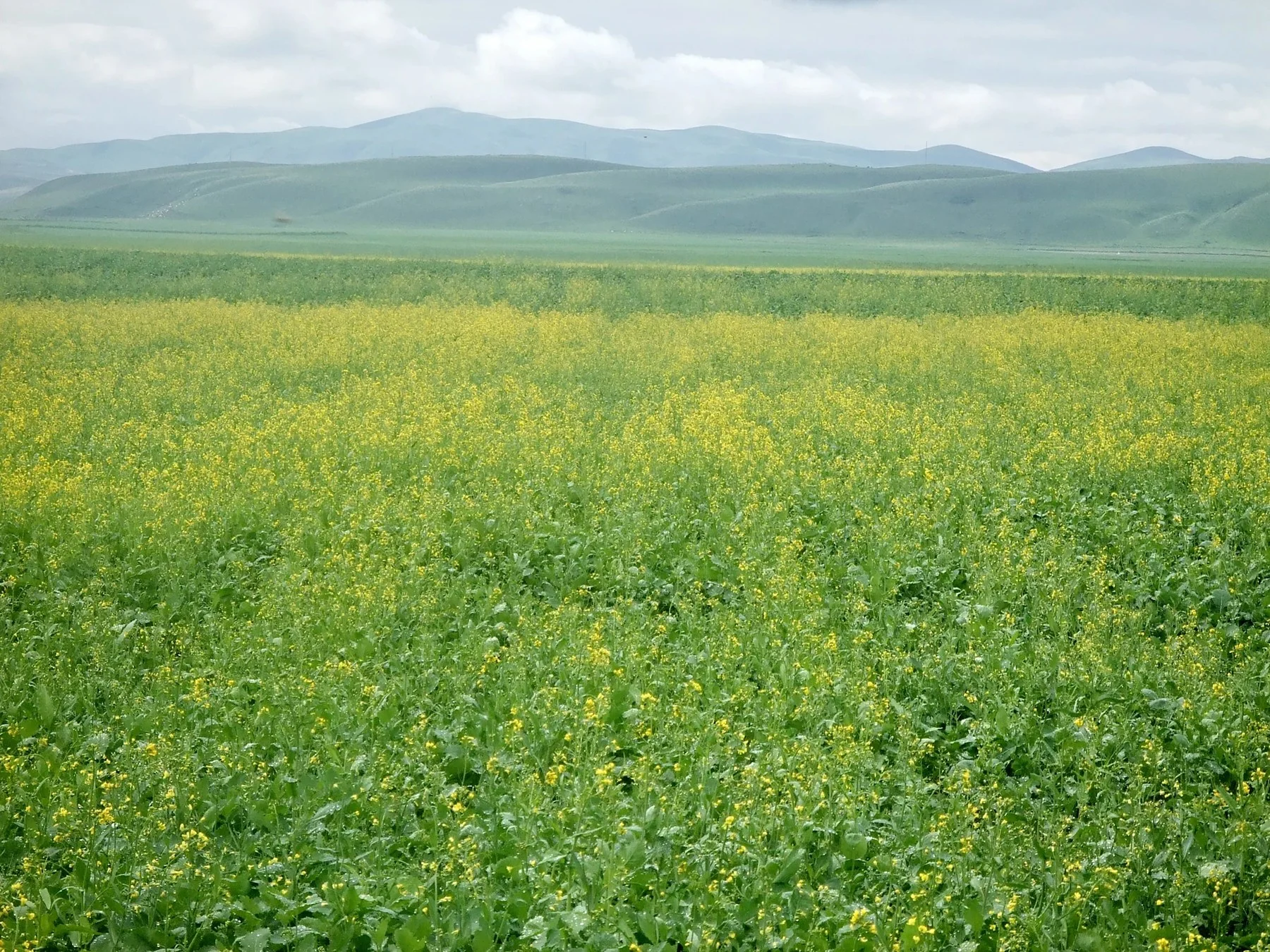
The real difference often lies in timing, position and service detail.
A meal can be part of the route
What matters more than a ranking is how food belongs to the day.
Roads need to be designed too
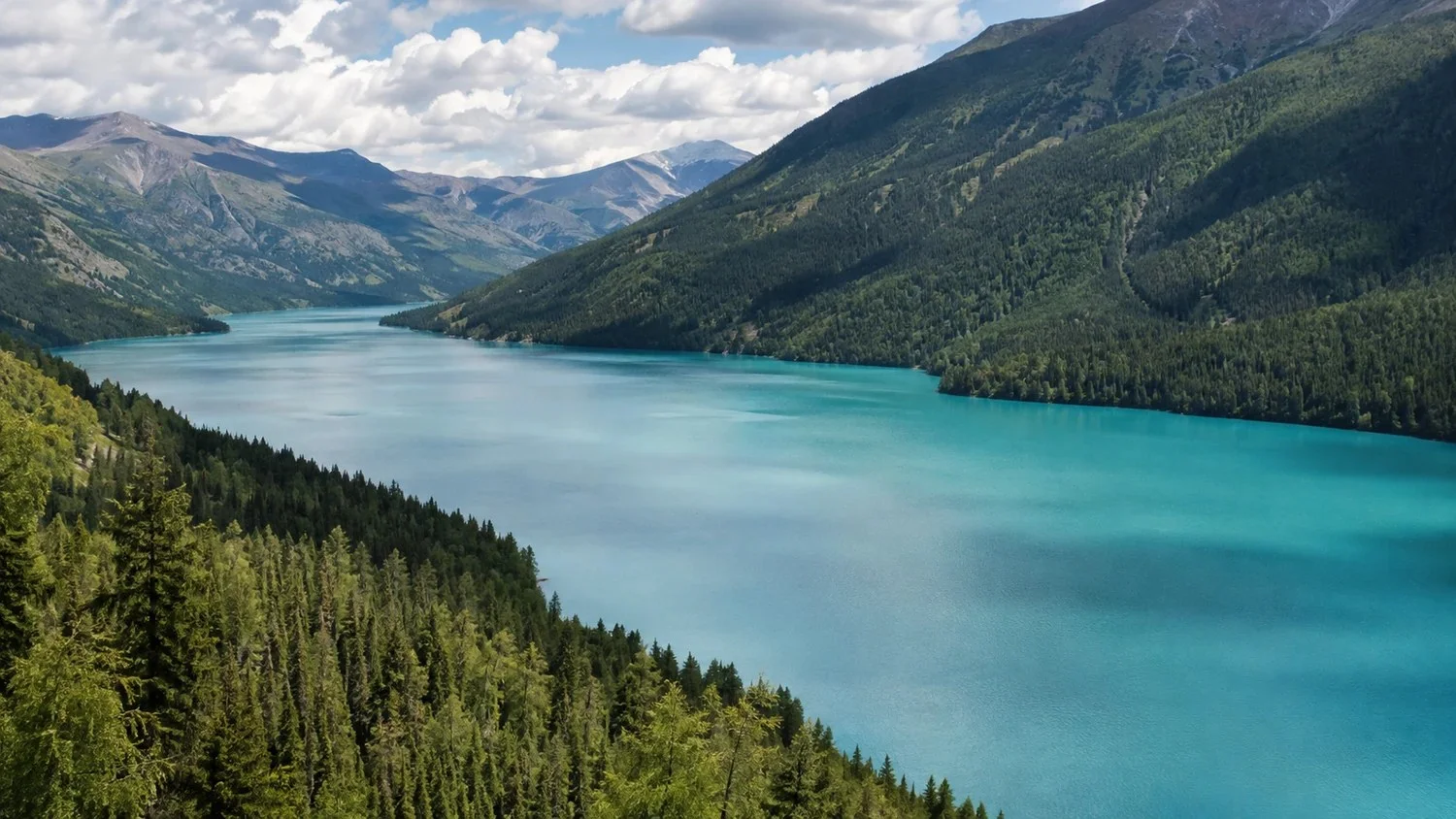
Duku, Yizhao, Guozigou and Ahe matter for more than simply getting through.
In the end, every label should be testable on the road
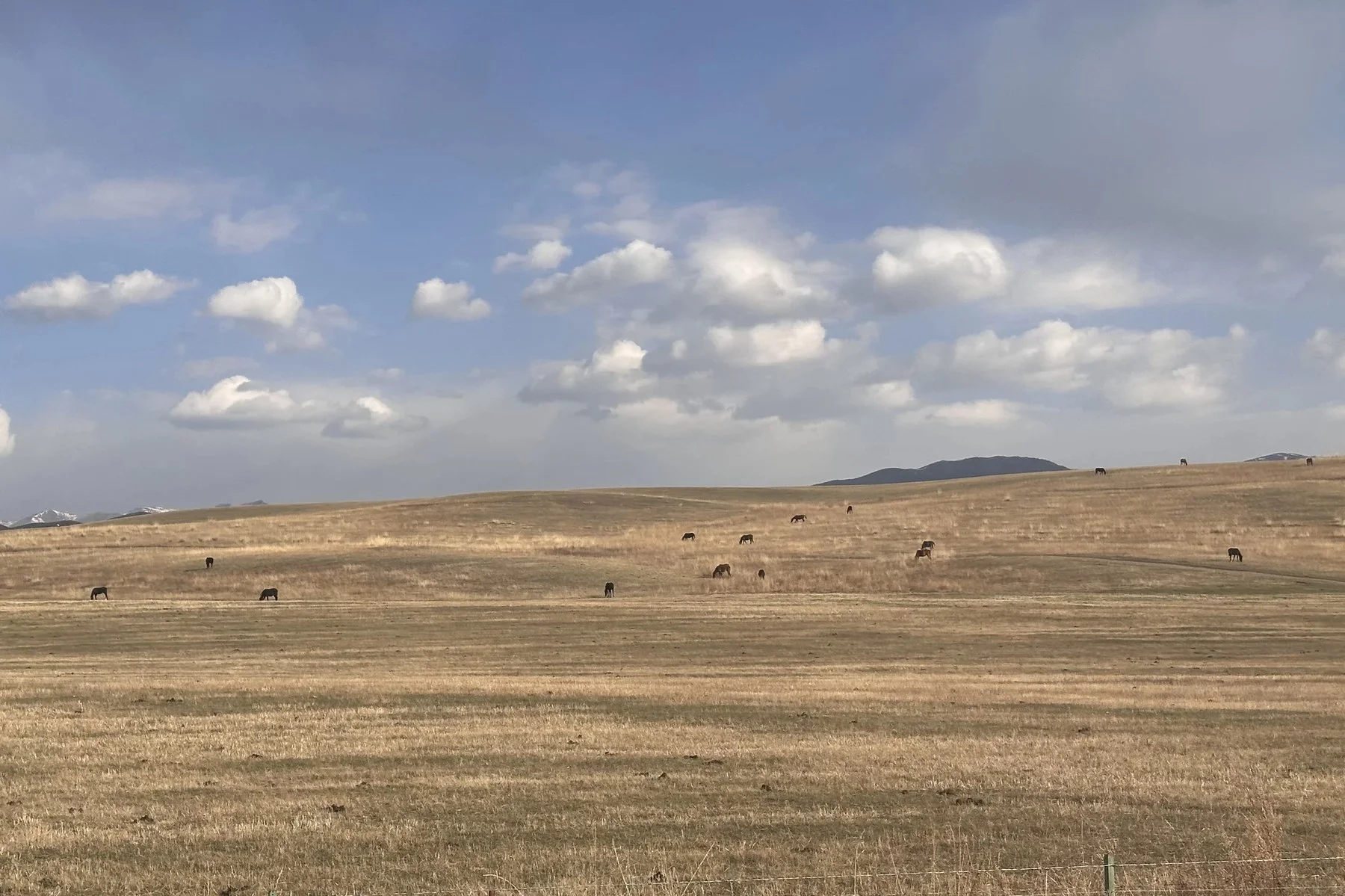
A product word matters only if the traveller can feel the difference.