WeChat published layoutCopy articleRebuilt from the previous published template
WeChat published layout
YUANMU TRAVEL NOTES · ALTAY
Not because Altay lacks places worth seeing. Quite the opposite. The more there is to see, the more carefully a route has to choose what to leave out.
Seven days is not a generous amount of time in Xinjiang. A map will tell you that plenty of places are “on the way”. Once you are in the vehicle, a few hundred kilometres becomes a full piece of geography.
On a first trip to Altay, the temptation is obvious. Keep adding names: Hemu, Kanas, Baihaba, Keketuohai, Five-Colored Beach, Ulungur Lake, Urho Ghost City. Every place is worth seeing, so every omission feels like a mistake.
But travel is not the collection of place names. The harder question is how much time a place deserves. When should you enter the mountains? When should you stay overnight? Which road needs daylight? Does a destination need two hours, half a day, or a morning of its own?
A good route does not prove how many places we know. It gives each place a reason to be there.
Urumqi and Altay City play two very different roles.
For travellers arriving from far away, the first night in Urumqi can look like wasted time. If the flight lands early, perhaps you can keep driving. If everyone still feels fresh, perhaps one more stop can fit.
That is also how long Xinjiang journeys begin to unravel. A proper dinner, time to sort luggage, refill water, check the next day’s road and weather, and sleep at a normal hour rarely appear in a promotional photo. They still shape the day that follows.
Altay City plays a different part. It sits close to the mountains but still offers the practical ease of a city: supplies, comfortable accommodation, a proper meal and a chance to recover. Behind it lies the broad Junggar Basin. Ahead are forests, pasture and mountain villages. One night here is not a pause. It is a change of rhythm.
A night without sightseeing is not a wasted night
A gateway city helps a journey begin. A recovery city helps the body catch up with the map. An easy-paced trip often starts with choices that never make it onto a list of attractions.
Years later, you may not remember the exact room. You may remember that you entered the mountains rested.
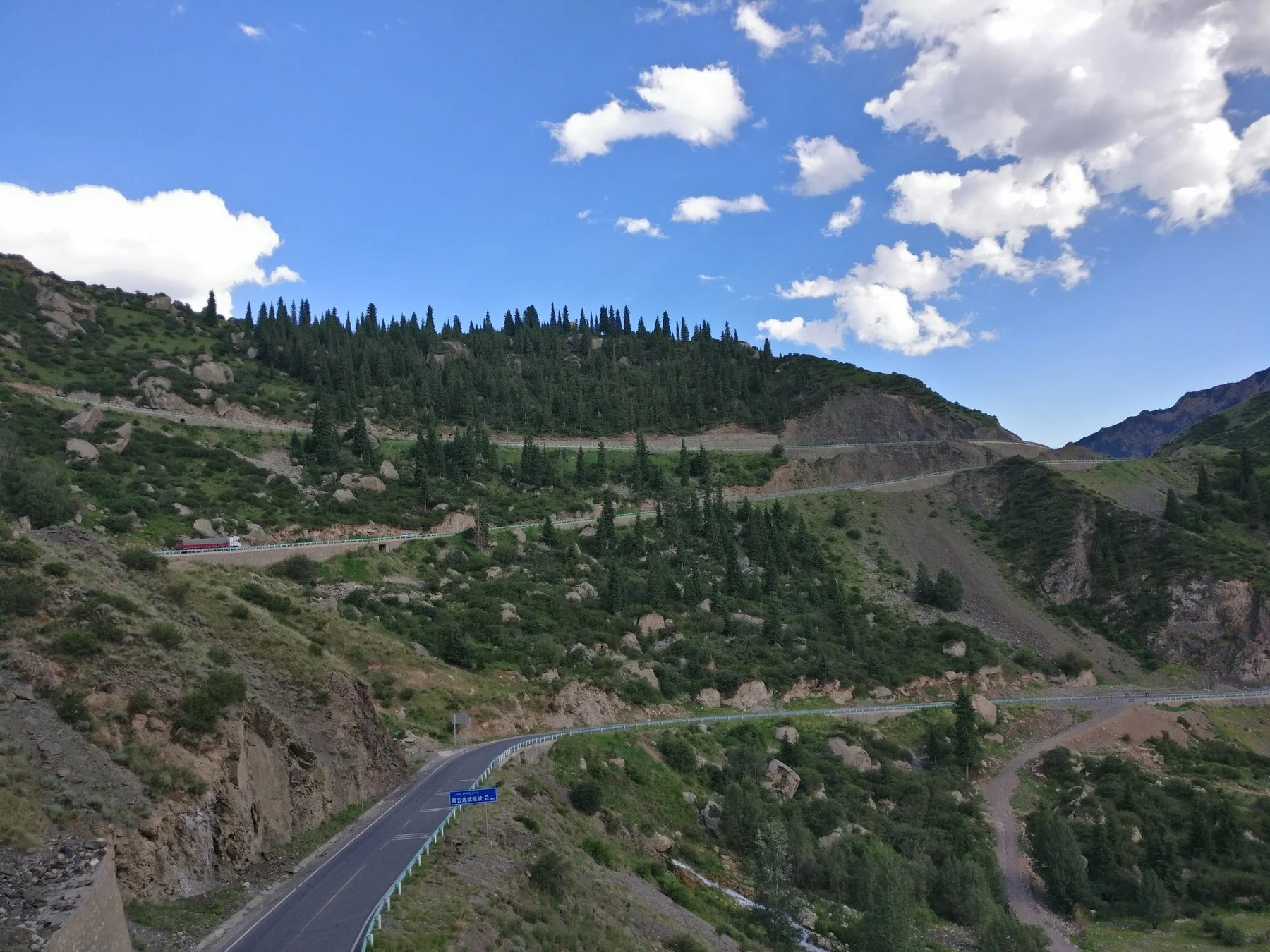
In Xinjiang, the landscape often explains itself through the windscreen.
Drive north from Urumqi and the city slowly falls away. Vegetation gets lower. Colour thins out. The sky begins to occupy more of the day. The scale of the Junggar Basin needs no viewing platform; it arrives through hours of horizon.
Then the road changes. On the Ahe Highway — the mountain route towards Hemu — wetlands, pasture, forest and rising slopes begin to take over. The pleasure is not only the arrival at Hemu. It is watching one geographical world give way to another.
That is why we hesitate to reduce every road to a driving time. Some roads are simply transit. Others deserve daylight. Some need proper stops, food and rest. Some are good enough that the day should leave room to pull over safely, watch the weather move across the mountains, and do nothing for a while.
When the road carries its own story, “transfer time” becomes part of the journey.
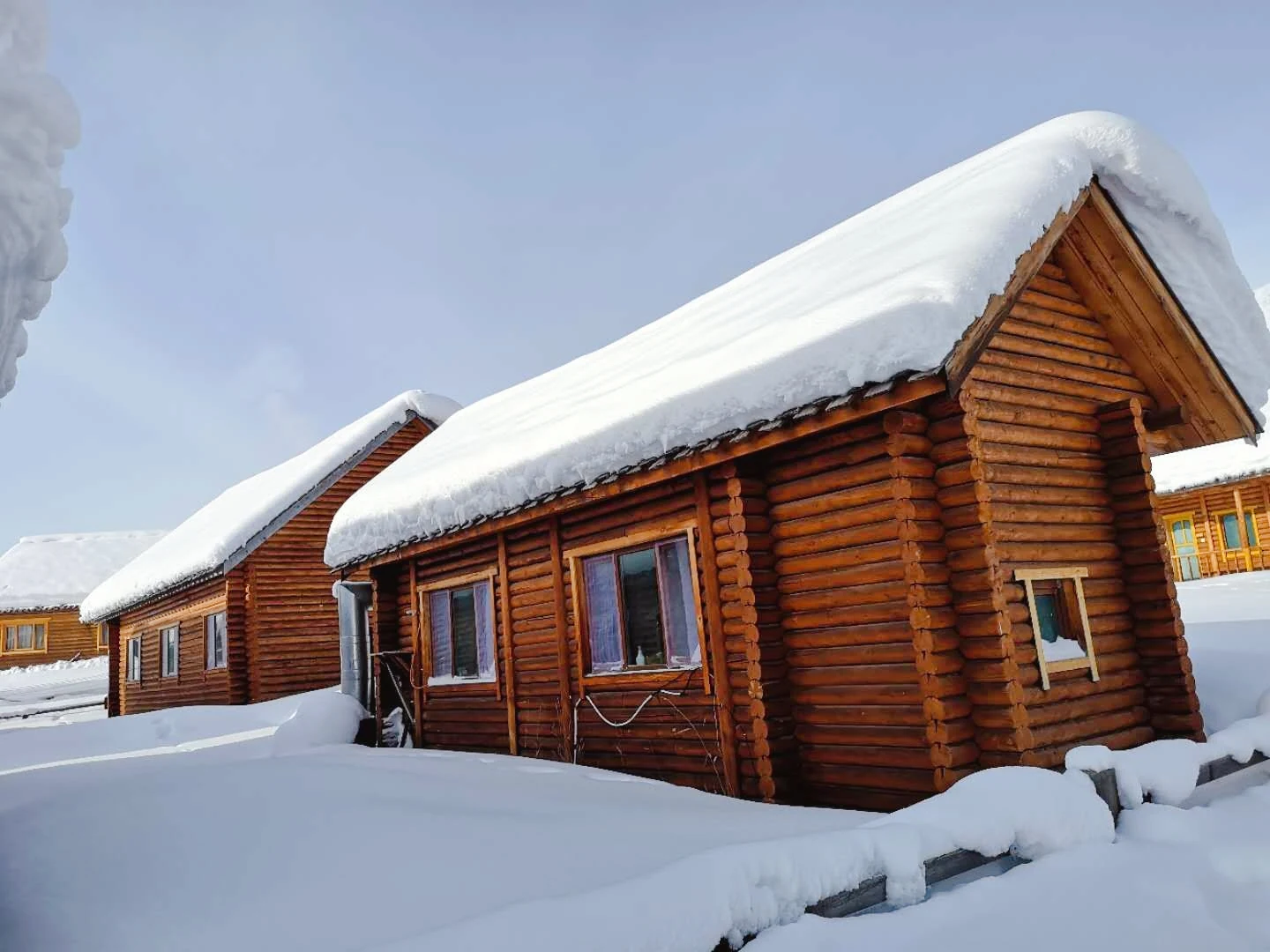
Wooden houses, river valley and birch forest make time more valuable than another stop.
Hemu is easy to reduce to one photograph: a high viewpoint, wooden roofs, smoke, river and distant mountains. The image looks complete. It can also give the false impression that an hour is enough.
The village becomes more interesting after the obvious photograph. The river grows quiet once the busiest hours pass. Ordinary lanes run between the wooden houses. Light moves differently through the birches in the late afternoon and early morning. Haden Platform gives you the whole picture; the unnamed paths below give you the place itself.
If the season, weather and energy level are right, an early morning can be worth it. If not, sleep longer and walk by the Hemu River instead. Easy-paced travel should not turn every traveller into a sunrise hunter. The point is to keep some choice in the day.
Staying in Hemu buys more than convenience
A destination stay gives you back the evening and the morning. You are not packing during the best light or cutting a village down to one viewpoint because the vehicle is waiting.
Breakfast, a slow river walk, ten quiet minutes outside a wooden house — these rarely appear under “highlights”. They are often what stays in memory.
Depth begins when the scale of looking changes.
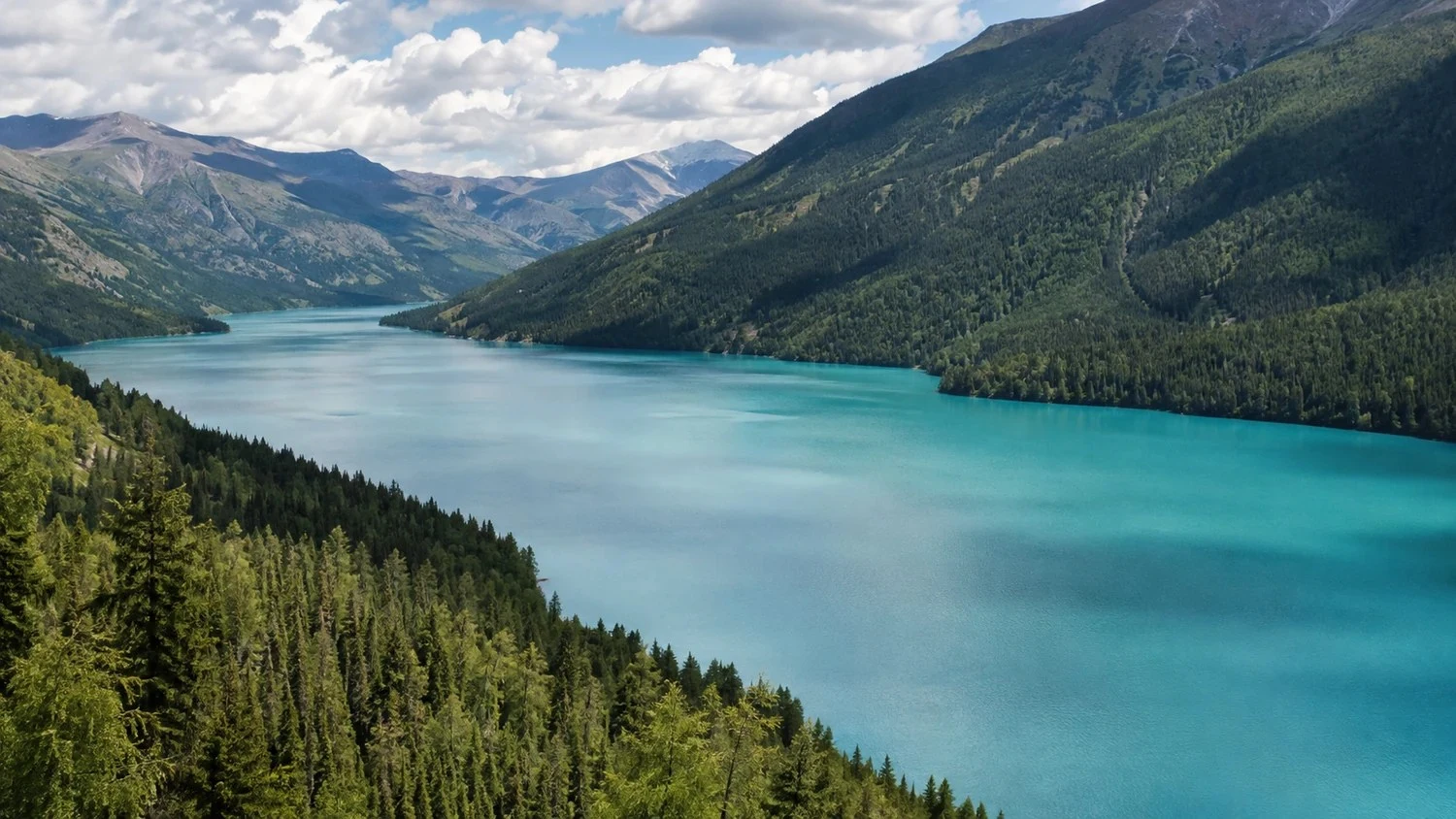
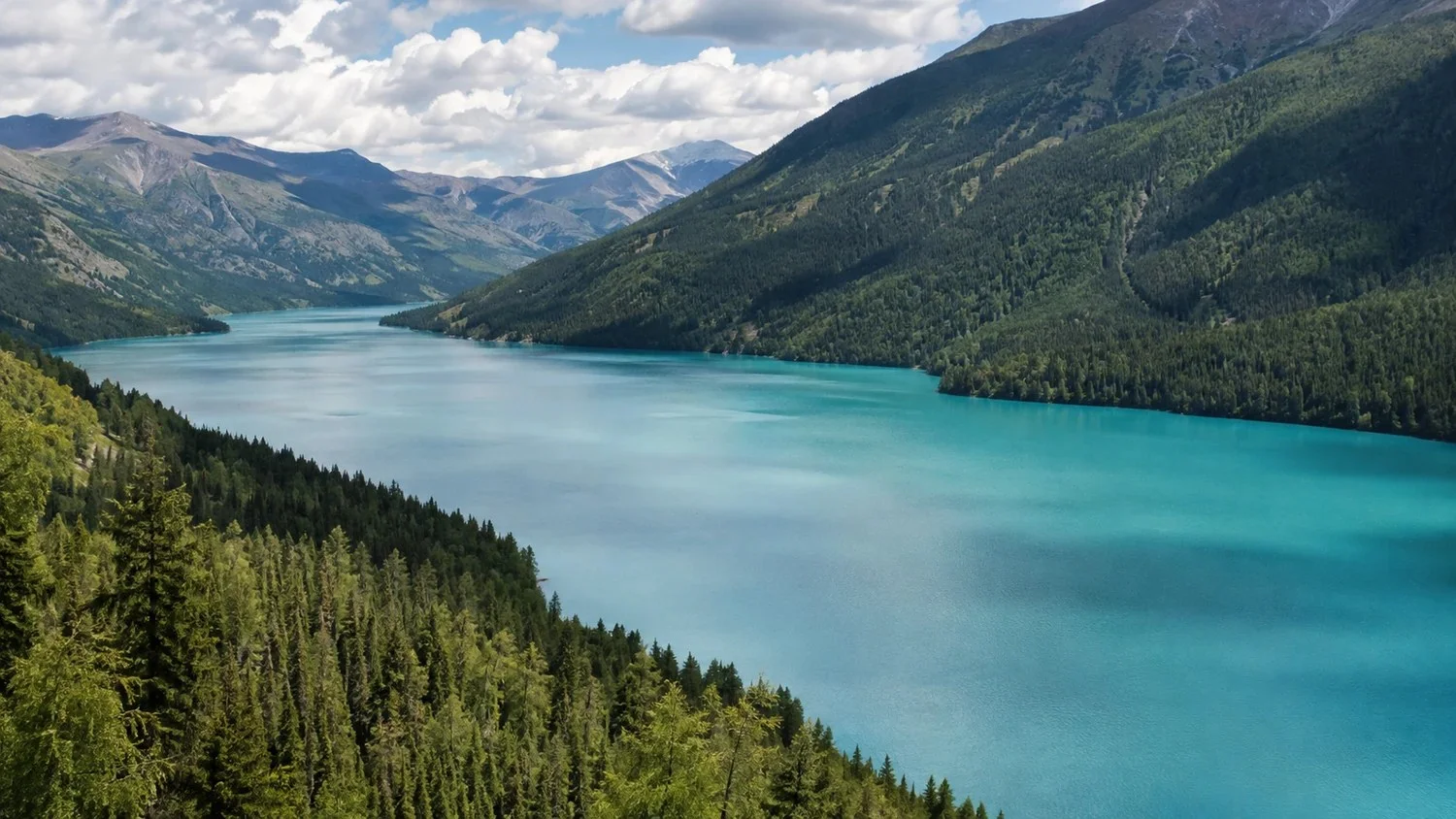
Kanas is famous for the lake. A short stop at the water’s edge can still turn it into one more beautiful photograph.
A fuller visit moves between scales. From above, you read the lake against the mountains. At water level, weather and forest edge come forward. The Three Bays — Shenxian Bay, Moon Bay and Wolong Bay — take you out of the vehicle and put the river, birches and valley under your feet.
At that point, route design is no longer a question of “how many hours for the scenic area”. Shuttle transfers, walking, queues, meals, weather and energy all belong to the same clock. Too little time and Kanas becomes a check-in. Too much structure and the scenic area starts moving you around instead of the other way round.
When local resources are available, conversations in wooden houses, traditional music and stories of mountain life can add another layer. The value is not the amount of information delivered. It is the moment when the houses, river valley and daily life begin to make sense together.
Food can do the same. Fish from the Irtysh basin, dairy products and straightforward mountain meals do not need to become a “must-eat list”. What matters is that the meal belongs to the geography of the day.
Going deeper does not always mean going farther. Sometimes it means letting the same place reveal a second and third layer.
Baihaba, Keketuohai and Ulungur Lake each deserve time of their own.
Baihaba is often described as the quieter village near Kanas. That description is too small. The wooden houses, birch forest, walking scale, border setting and current access rules all shape the experience. Adding Baihaba is not adding a pin to a map. It is adding another village chapter.
Keketuohai is even clearer. The Irtysh River, granite canyon, birch forest and the historic No. 3 mine pit bring natural geography and industrial history into the same place. It is not another version of Hemu or Kanas. Once Keketuohai enters a journey, a new chapter appears: river, mining valley and mountain country.
The same is true of Ulungur and Jili lakes. They are not simply “another body of water along the road”. Moving from mountain country to broad lake shores changes the view, the pace and the way a day is used.
So choosing what to leave out is not a way of ranking places as important or unimportant. It is an admission that a worthwhile place needs enough time to justify the journey. If there is no room to give it that time, leave it for another trip.
Xinjiang is not a once-in-a-lifetime destination. Trying to finish it in one visit is one of the quickest ways to see each place too lightly.
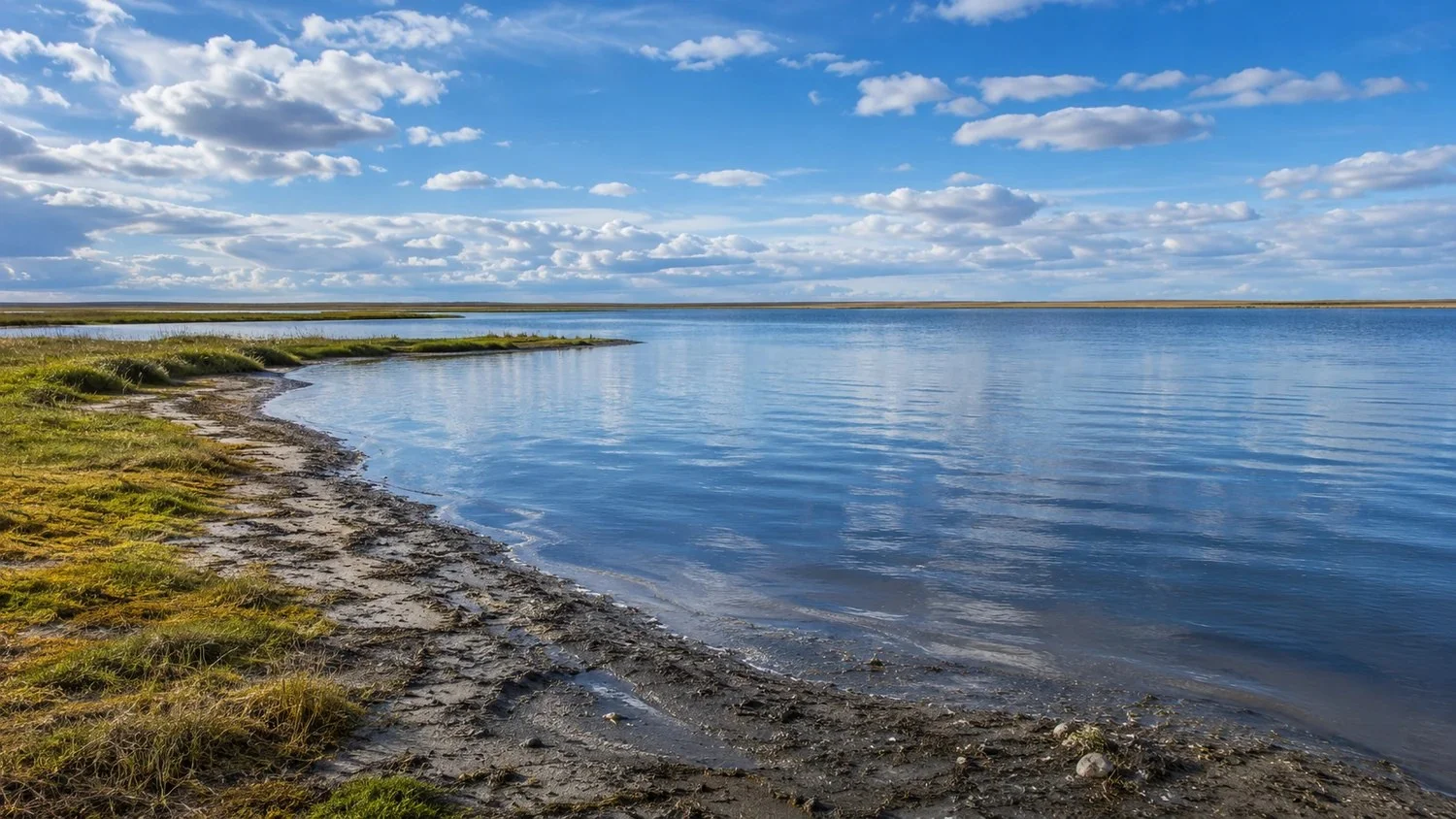
An easy journey is built from the parts no brochure can photograph well.
A route can look elegant on paper and still feel exhausting on the road. The differences often sit outside the attractions column: whether breakfast is rushed, whether a hotel creates a backtrack, what happens to luggage during shuttle transfers, and whether long drives include proper rest.
If everyone is skipping breakfast to chase a sunrise that may not appear, “slow travel” has simply become another form of hurry. If a hotel forces the group to drive backwards the next morning before re-entering the same area, room quality cannot recover the lost time.
Luggage matters too. Hemu and Kanas involve scenic-area transport and walking. Repeated transfers with large cases change the day quickly. For older travellers, families and photographers carrying equipment, seat space, luggage handling, toilets and rest stops can matter as much as the headline attraction.
Let distance carry scenery
A long transfer is not empty if the road itself has meaning and the day leaves room for safe stops, food and rest.
Let the night belong to the place
Where you sleep affects sunrise, sunset and the next morning. Location matters as much as hotel category.
Give the core places real time
Walking, shuttle transfers and queues consume real hours. Attraction count cannot replace quality of time.
Leave margin for people
Meals, rest, luggage, children, older travellers and weather all shape whether a route feels effortless or strained.
The luxury people remember is often simple: no one rushes you through dinner, and no one insists you complete one more stop when your body is done.
Leaving is not simply turning the navigation back to Urumqi.
One of the pleasures of Altay is how clearly the land changes. After forest and lake country, river terraces, open Gobi and wind-eroded formations begin to return. The mood changes with them.
Five-Colored Beach and the yardang landscapes around Urho are more than extra stops on the way back. They move the journey out of the Altay Mountains and into a drier, wider northern Xinjiang. In evening light, the rock surfaces make the transition unmistakable: the forest world is behind you.
This is the route’s descent. If every day is designed as a climax, the climaxes cancel each other out. A memorable journey needs contrast, quiet and a final stretch that lets the landscape settle.
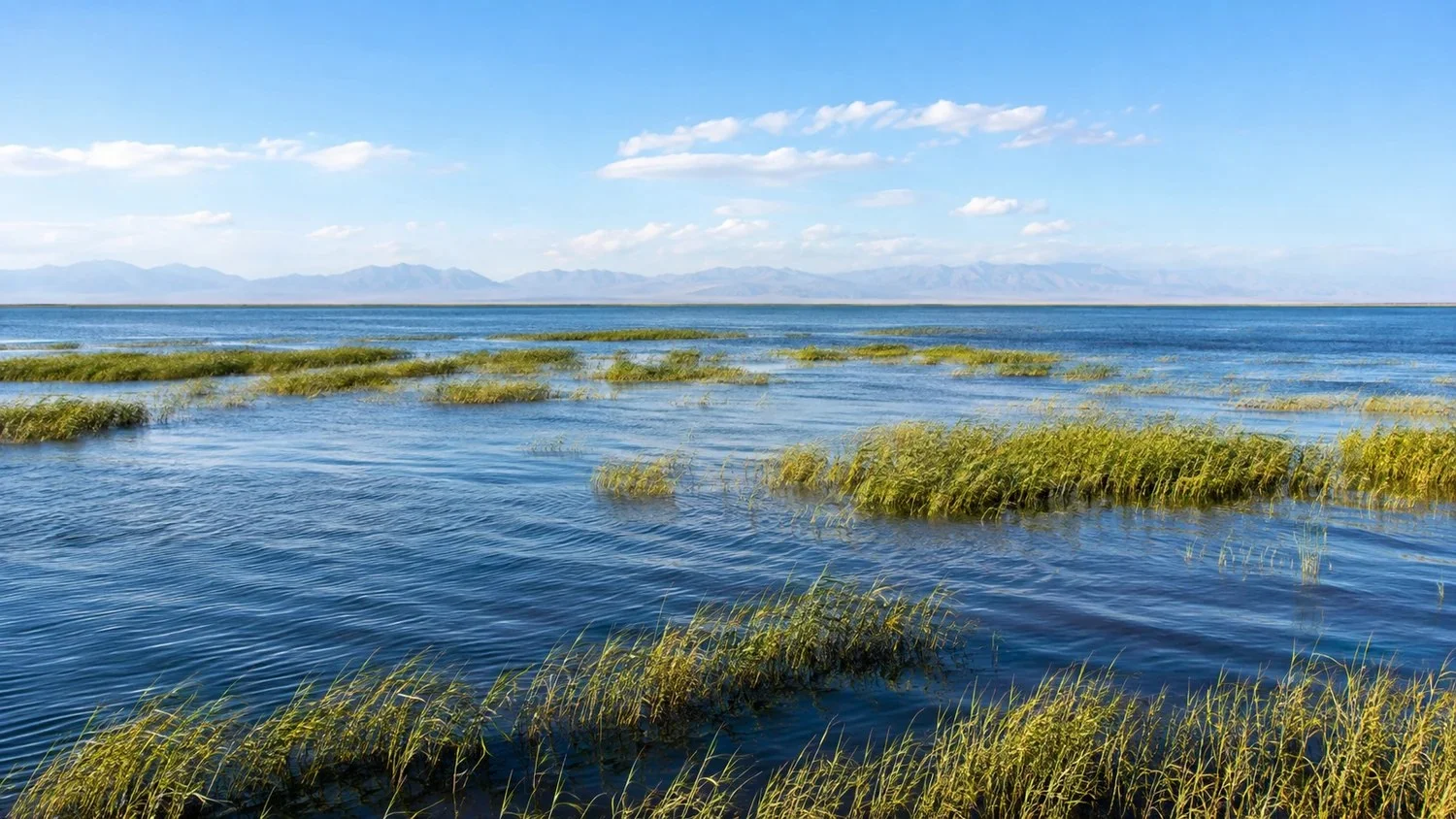
Not the shortest trip. Not the longest. Enough time for Altay to have shape.
So when we say seven days in Altay do not need more stops, we are not defending a number. We are protecting the structure of the journey.
We want to keep a few things intact: the recovery a city gives you; the change of scale on the road; Hemu’s evening and morning; the shift from viewpoints to walking at Kanas; and the slower return from mountain forest to open country.
Seven days is not a refusal to see more of Xinjiang. It is a refusal to compress a new world into an afterthought. Once the trip grows to ten or twelve days, new geographical chapters can appear properly — a river, a mining valley, another mountain range — each with its own rhythm.
• First-time Altay travellers who want the main mountain, village and lake landscapes to feel connected rather than collected.
• Families and easy-paced travellers who value proper meals, sleep and room for weather.
• Photographers who do not want photography to run the whole trip — there is time to wait for light, and permission to stop waiting when the weather turns.
• Repeat visitors who would rather give the next journey to Baihaba, Keketuohai or another full chapter than force everything into the first one.
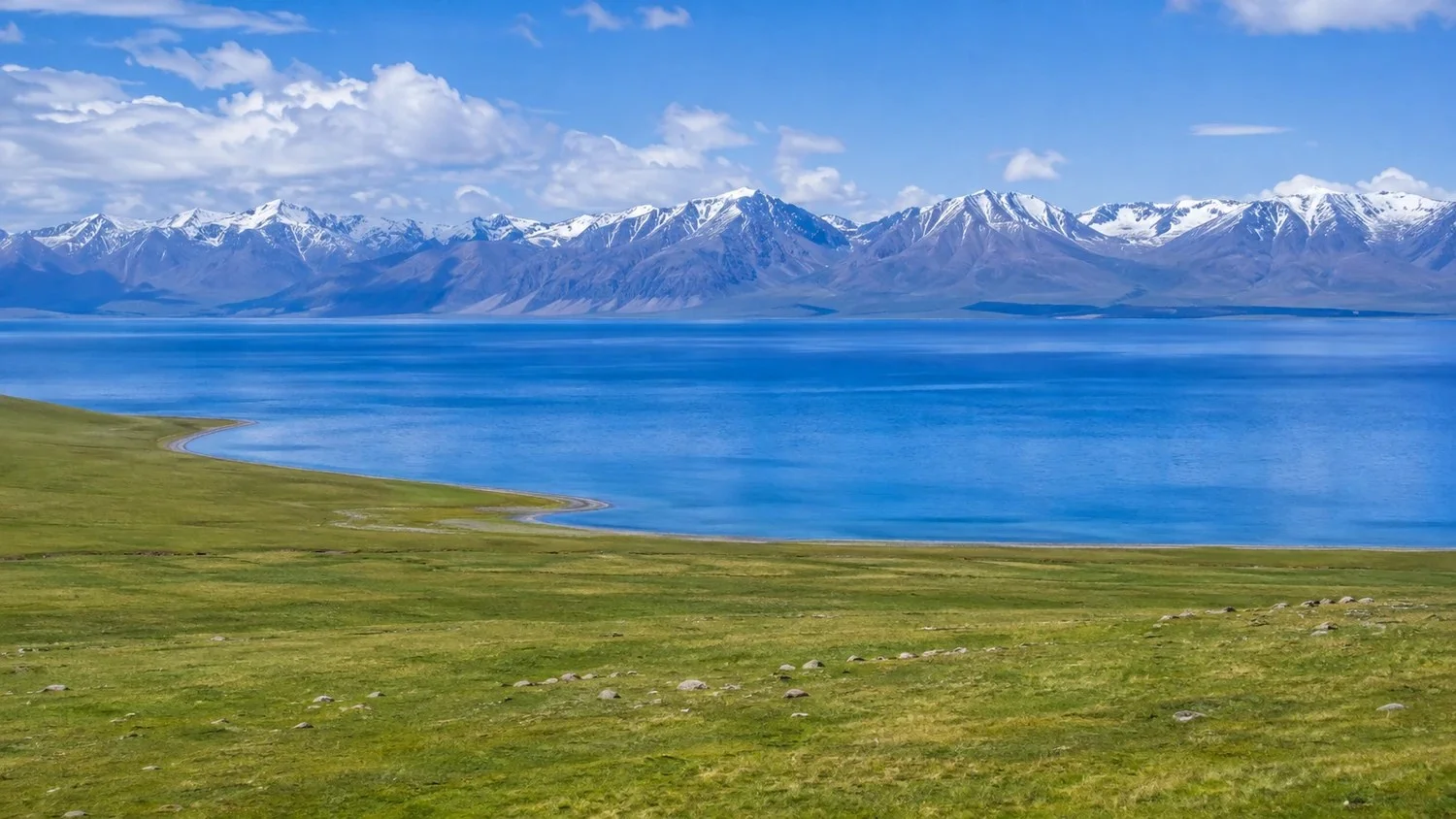
More time should not mean a longer checklist.
With seven days, we would rather give the time to Altay itself. Stretch the journey to twelve days, and the structure should change.
Keketuohai no longer has to be squeezed into a “convenient” day. The Irtysh River, granite canyon, birch forest and No. 3 mine pit can become a complete mining-valley chapter. Before entering Hemu and Kanas, travellers meet another northern Xinjiang first: open country, river systems and industrial history.
Later, yardang country, high-altitude lakes and the canyons along the northern Tianshan can also stand on their own. The journey grows from “Altay mountains and lakes” into a longer reading of northern Xinjiang’s changing landforms.
12 DAYS · ROUTE EXTENSION
YUANMU TRAVEL · NORTHERN XINJIANG
Keketuohai, Kanas & Sayram Lake — Mountains, Lakes & Mining Valleys
If seven days becomes twelve, the point is not to add five more names. It is to give several new landscapes enough time to become chapters of their own.
Open Country & Mining Valleys
Begin in the eastern Altay region, where open country, rivers and Keketuohai’s mining history create a very different opening to northern Xinjiang.
Altay Mountain Country
Then let Hemu, Kanas and Baihaba take over. Forest, villages and lake valleys keep the time they need instead of being squeezed by new stops.
Leaving Altay, the land opens and dries again before Sayram Lake resets the scale with water, wind and high mountains.
Canyons along the northern Tianshan bring the route to a final geological finish before the return to Urumqi.
The extra five days are not there to lengthen the checklist. They allow northern Xinjiang to become several complete worlds.
This is a route overview, not a day-by-day public itinerary. Road access, scenic-area opening and actual operations are confirmed for each departure.
If you ask us what else can fit into seven days, we would rather ask a different question: what do you want to remember when those seven days are over?
IMAGE CREDITS & LICENSING
Kanas Lake: Fanghong / Wikimedia Commons / CC BY-SA 3.0.G217 Duku Highway: Tigerzeng / Wikimedia Commons / CC BY-SA 4.0.Ulungur Lake: NASA Johnson Space Center / Wikimedia Commons / Public Domain.Jili Lake: 罗布泊 / Wikimedia Commons / CC BY 3.0.Sayram Lake: Fumikas Sagisavas / Wikimedia Commons / CC0 1.0.All images are used under the licenses shown. This edition only resizes/compresses images for publication; no substantive visual alterations have been made.
A vast land. More than one way to travel. See Xinjiang differently, every time you arrive.
A city can be part of the journey
Urumqi and Altay City play two very different roles.
The road is not dead time
In Xinjiang, the landscape often explains itself through the windscreen.
Hemu: not a village to tick off, but a morning to wake into
Wooden houses, river valley and birch forest make time more valuable than another stop.
Kanas: one lake, several ways of seeing it
Depth begins when the scale of looking changes.
Why some places should not be squeezed in “on the way”
Baihaba, Keketuohai and Ulungur Lake each deserve time of their own.
Comfort often lives in the invisible details
An easy journey is built from the parts no brochure can photograph well.
A journey needs a way to come down from the mountains
Leaving is not simply turning the navigation back to Urumqi.
What seven days can do well
Not the shortest trip. Not the longest. Enough time for Altay to have shape.
If you have twelve days, another world can open
More time should not mean a longer checklist.