The Lakes of Xinjiang

The Lakes of Xinjiang How Water Rewrites a Journey

A field story through Xinjiang’s lakes, from Sayram and Kanas to Tianchi, the Pamirs, Bosten and Barkol—where water changes the rhythm of a journey.

YUANMU TRAVEL · THE LAKES OF XINJIANG

Xinjiang’s lakes change journey rhythm—from Sayram and Kanas opening the north to Tianchi, Karakul on the Pamirs and basin waters at Bosten and Barkol. Each lake asks for a different pace, not equal weight on an itinerary.

How Lakes Change a Journey

Xinjiang’s lakes are never the same kind of landscape. Some appear suddenly beyond a mountain pass. Some stay hidden deep in forest. Others spread low across wetlands and plains, while a few exist only for the length of a bend in the road. What matters is not only the name of the lake, but what the land, weather and pace of travel have already done to you before you arrive.

Some are worth travelling for. Some deserve half a day and no hurry. Others are better encountered on the way to somewhere else. They were never meant to carry equal weight in an itinerary—and that difference is part of what makes the lakes of Xinjiang so compelling.

01

Where Distance First Comes to Rest

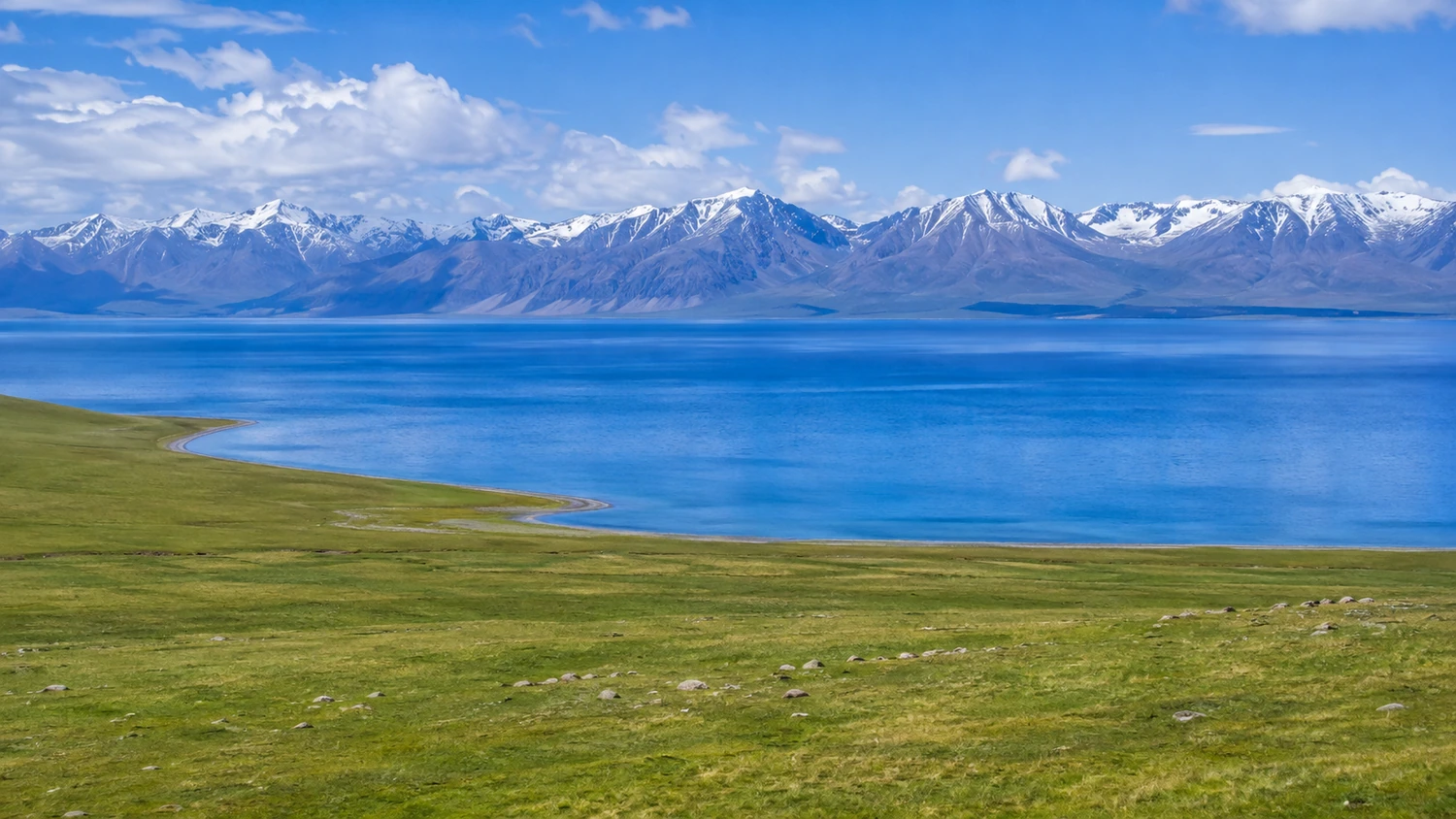
Beyond Guozigou, the mountains suddenly loosen their grip. The road keeps moving, but for the first time the view has nothing in its way. At first there is only a darker line in the distance. Then it widens. Eventually, the water rises whole from behind the grassland.

Sayram Lake in Xinjiang
Sayram Lake | For many travellers, this is where Xinjiang first reveals its scale.
ILI VALLEY

Sayram Lake

When Sayram Lake first enters the frame, nobody needs to point it out. The car often goes quiet for a few seconds. That silence is unusual on a Xinjiang road trip. For hours, everything has been urging you forward—the road, the pass, the numbers on the navigation screen, the next name on the map. At the lake, those things suddenly matter less.

Wind comes across the water. Grass along the shore bends in one direction, then slowly lifts again. When clouds move fast, the lake brightens and darkens within minutes. Weather here is not a backdrop; it is part of the landscape. That is why the best of Sayram is rarely a single viewpoint. It is the time you give the lake.

As you follow the shore, the water comes close, then falls away; grassy slopes appear beside the road and disappear again. In summer, green reaches almost to the water and daylight lingers late. Winter is another journey entirely: the grassland recedes, ice takes over the view, and the same name belongs to a different place. When the itinerary allows, we rarely rush away. The best part of Sayram often begins just after you think it is time to leave.
02

When Water Enters the Forest

Leave the wide-open country of Ili and reach Altay, and water changes character. Here, a lake does not hurry to reveal itself. The mountains arrive first. Then the forest. Often the river enters the story before the lake does.

Kanas Lake in the Altay Mountains of Xinjiang
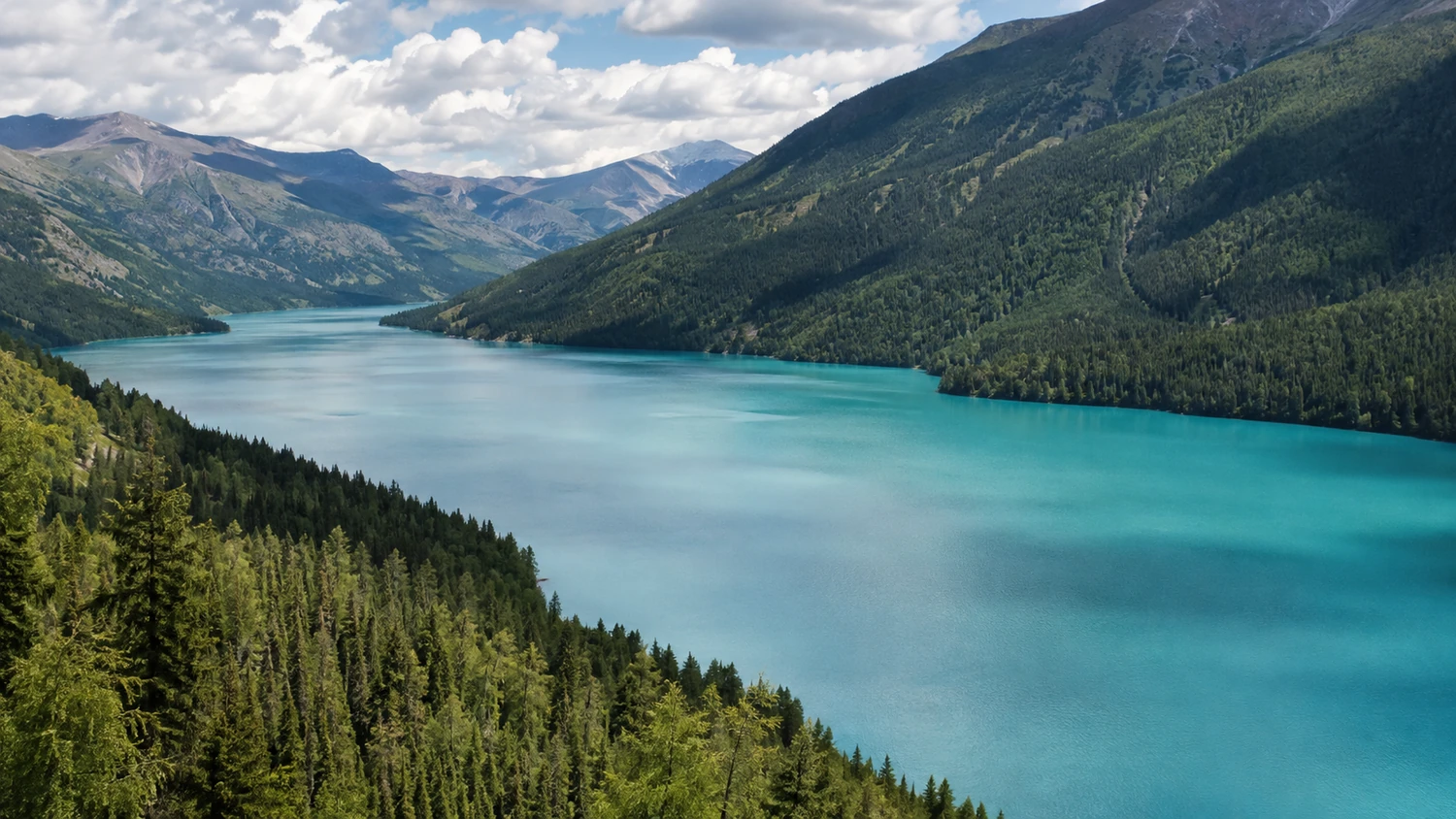
Kanas Lake | The colour is easy to photograph. What stays with you is everything around it.
ALTAY MOUNTAINS

Kanas Lake

At Kanas, the lake is not the first protagonist. Once the road enters the mountains, the slopes darken and trees climb from the valley floor. Often you have already been inside the landscape of Kanas for quite some time before you actually see the lake. That matters. Sayram opens all at once; Kanas is given to you slowly.

The forest first takes part of the view away, then allows the water to appear. The lake colour is what photographs best, of course, but after a visit it is often the smaller things that last: mist in the valley at dawn, cold air still sitting over a river bend, damp ground beneath the trees, autumn colour moving layer by layer across the slopes.

What makes Kanas distinctive is not the number of colours the water can hold. It is the way everything around it takes part—mountains, forest, river, weather, season. You can see Kanas from above, but the better experience is to stay longer in the mountain country that gives the lake its meaning.

03

After the Mountains Fall Back to the Horizon

Continue out from the Altay Mountains and the peaks begin to recede. Forest thins, slopes flatten, the horizon stretches. When water appears again, you read it differently.

Ulungur Lake in northern Xinjiang
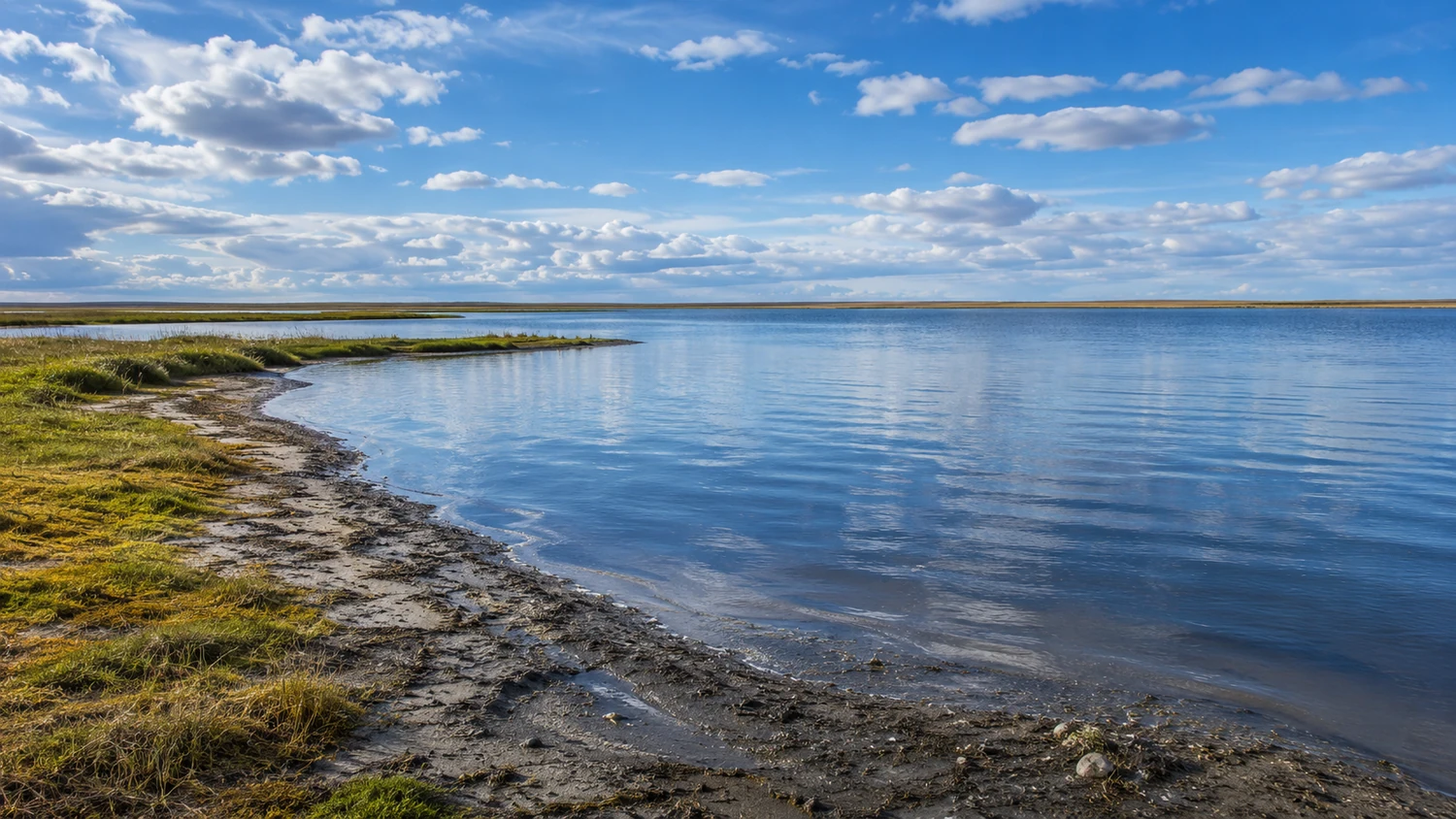
Ulungur Lake | The lowlands of northern Xinjiang have their own scale, even without a backdrop of snow peaks.
NORTHERN XINJIANG LOWLANDS

Ulungur Lake

Travel photography trains us to expect a Xinjiang lake to come with snow mountains. Ulungur does not try to satisfy that expectation. The sky is larger here, the shoreline lower. Instead of being framed by steep mountains, the water seems to merge with the flatter land around it.

It may feel less dramatic at first. But after enough days on the road, this restraint becomes appealing. No peak insists on being the background. No official viewpoint tells you where to stand. The lake simply occupies the land beside wind, sand, shore and wetland.

Then another idea begins to settle in: water in Xinjiang does not belong only to mountains. It belongs to plains, birds, fisheries, and land where people have lived for a long time. Ulungur changes the way you understand the lakes that came before it.

Jili Lake in the Ulungur water system
Jili Lake | Not another item for a checklist, but a quieter layer within the Ulungur water system.
ULUNGUR WATER SYSTEM

Jili Lake

Look closer at the Ulungur water system and Jili Lake appears as another layer of detail: shallow water, wetland, migratory birds, and shorelines that reveal themselves or disappear as the seasons change.

Some places do not need a best angle. They are better passed through slowly. A surprising amount of landscape reveals itself only when you are not trying to photograph it.

04

Some Lakes Last Only a Few Minutes

On the southern section of the Duku Highway, most of the day is spent looking at mountains. Rock walls press close to the road, a river runs below, and every bend changes the view. After a while you grow used to the intensity of the terrain. Then water appears.

Big and Small Dragon Pools
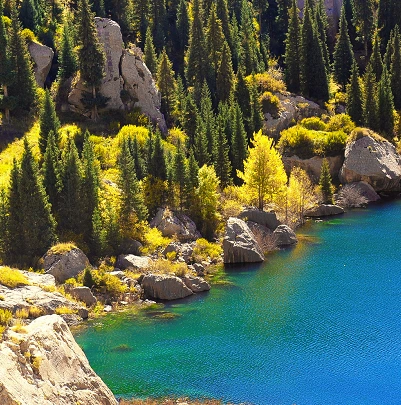
Big & Small Dragon Pools | Turn a bend on the Duku Highway and water suddenly appears between the mountains.
SOUTHERN DUKU HIGHWAY

Big & Small Dragon Pools

There is no long approach and no ceremony of arrival. A new colour simply opens between the slopes. One still pool sits in the valley; farther on, another appears. The beauty of the Dragon Pools lies largely in the way they arrive.

They do not ask the entire journey to change direction, or demand a full day of the itinerary. They simply happen to exist along a road crossing the Tianshan. Mountains before them, mountains after them, and a brief interval of water in between.

A few minutes later the car continues south. Look back and the pools are already smaller; after a few more bends they disappear. Some places stay with you precisely because you did not stay long. They feel less like a scheduled attraction than a small event that happened on the road.

05

Later, We Learn to See Mountains Through Water

Mountains and lakes do not have one fixed relationship. Sometimes mountains enclose the water. Sometimes water makes the colour and shape of the mountains clearer. Higher still, a lake can become the measure that finally tells you how large a mountain really is.

Tianchi Lake in the Tianshan Mountains
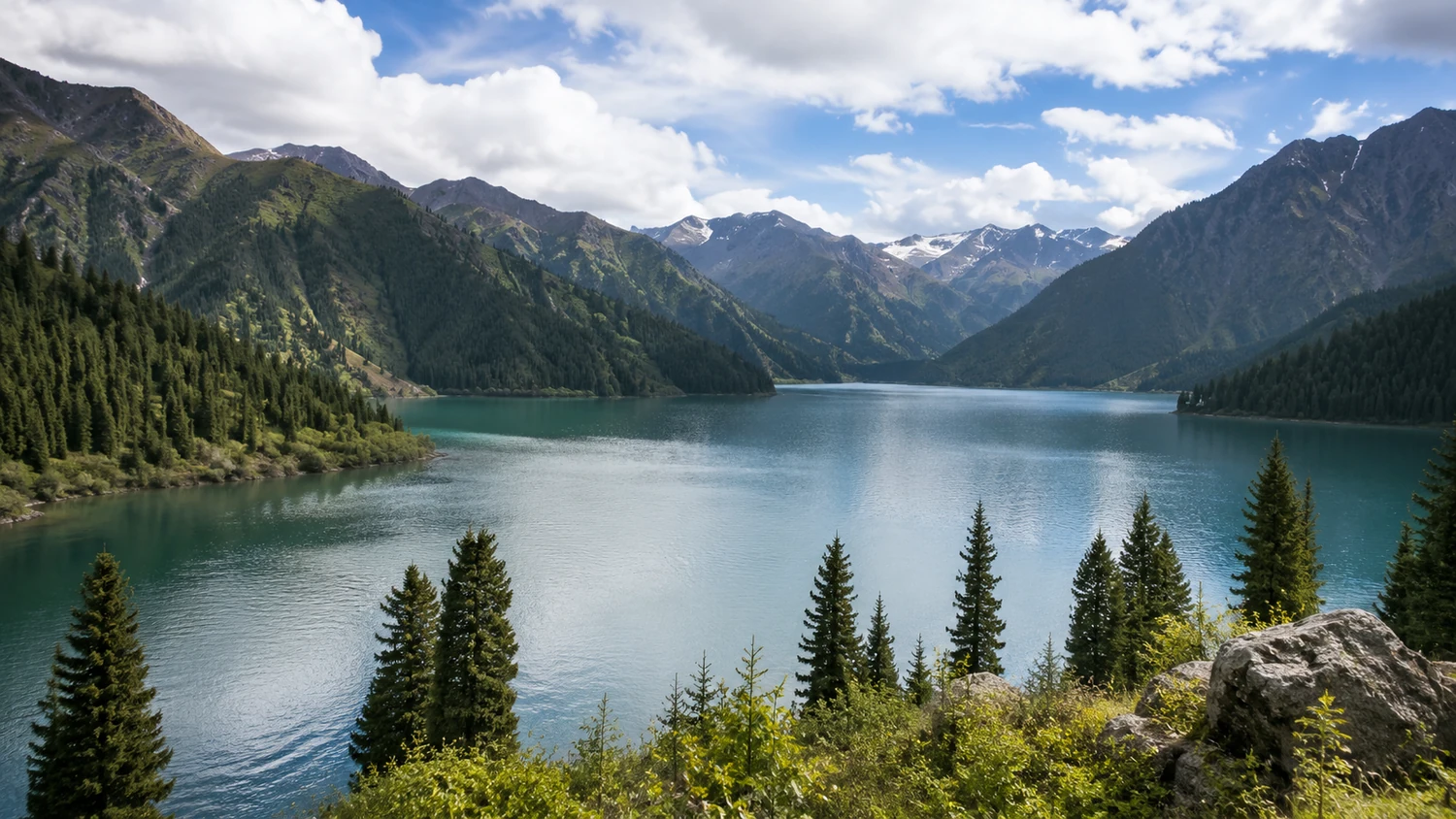
Tianchi Lake | Its power comes from enclosure: mountains closer, forest denser, the water more restrained.
TIANSHAN MOUNTAINS

Tianchi Lake

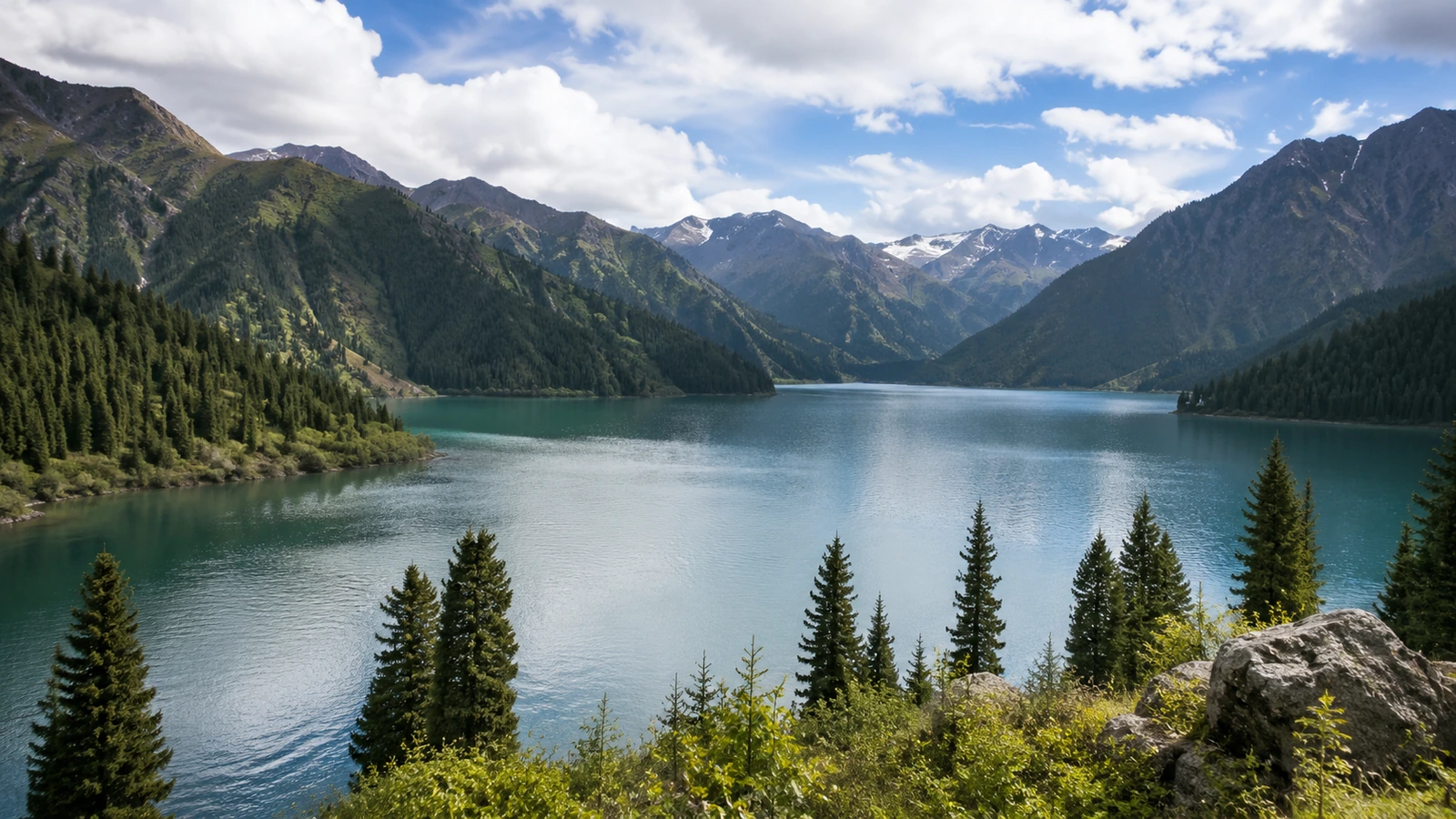
Tianchi is almost the spatial opposite of Sayram. Sayram opens the gaze outward; Tianchi draws it in. The slopes stand closer, forest rises directly from the shore, and the lake is held inside a compact mountain setting.

It does not need to be vast. Its power comes from enclosure. At the water’s edge you can feel the distance between lake and mountain almost physically. For a first encounter with the Tianshan, it is remarkably direct: no deep expedition, no days of driving, and yet mountain, forest and water already share one frame.

Baisha Lake in the Pamirs of Xinjiang
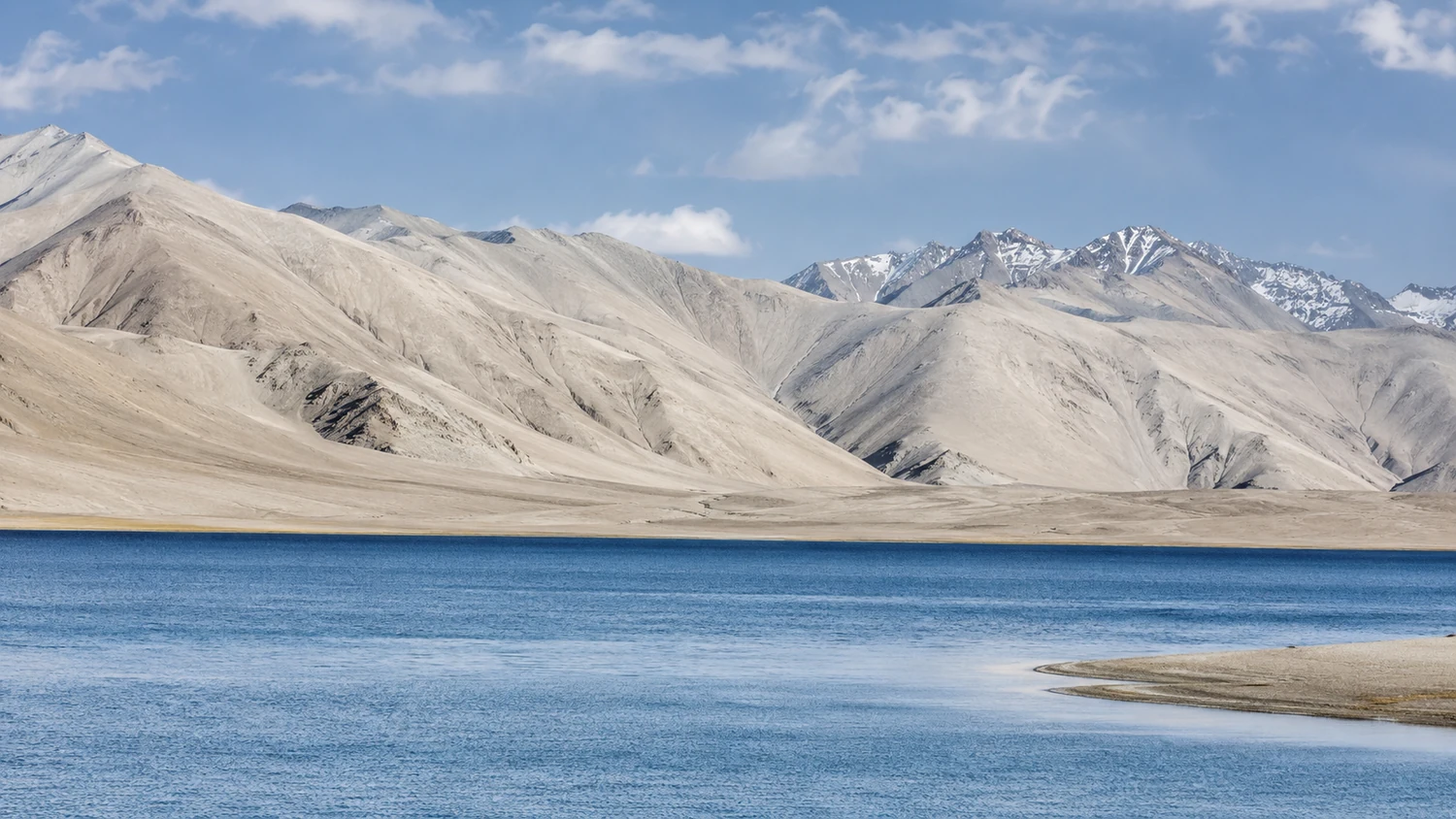
Baisha Lake | As the elements fall away, empty space becomes part of the landscape.
PAMIR PLATEAU

Baisha Lake

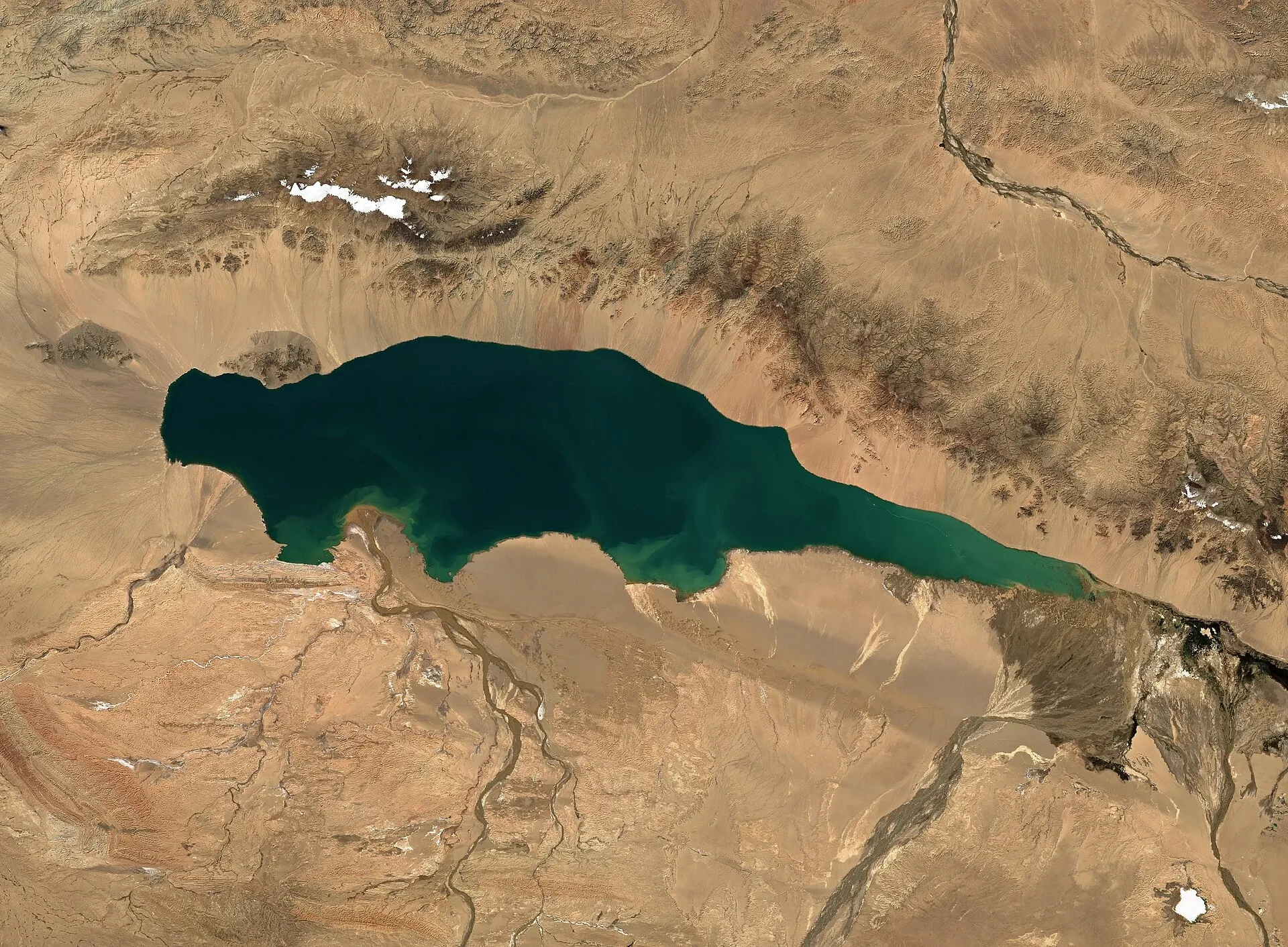
In the Pamirs, colour begins to recede. Trees fall away. Grass stops carrying the scene. The mountains expose themselves, and wind takes up more of the space. Baisha Lake appears inside this stripped-back landscape.

Its appeal is not abundance but reduction: water, pale mountains, sky, sometimes a great deal of wind. With fewer elements, every change becomes visible. A cloud moves and the mountains alter colour. The wind rises and a smooth surface breaks apart. It is a distinctly Pamir landscape—one that gains strength not by adding more, but by leaving space.

Karakul Lake beneath the Pamir mountains
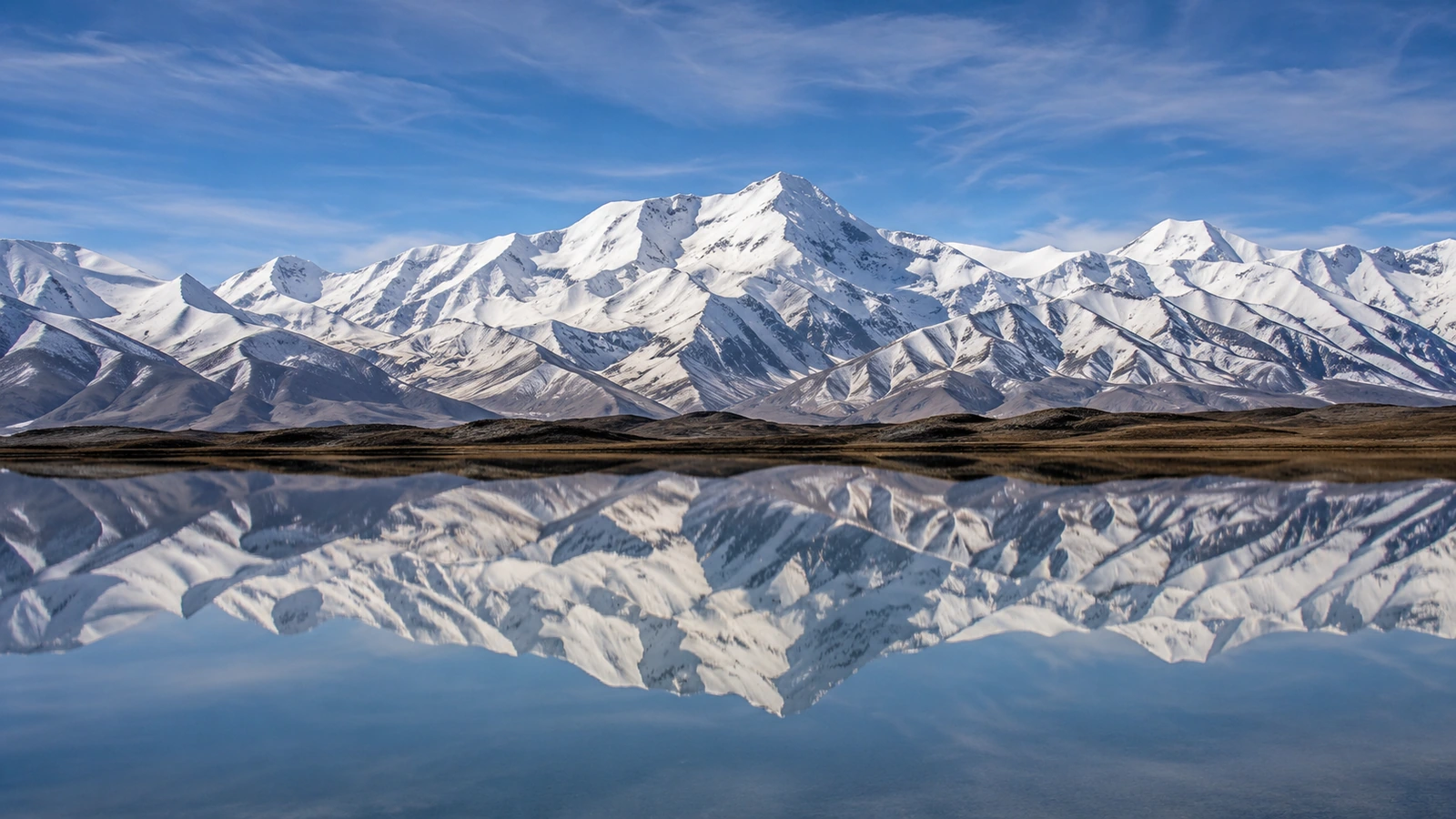
Karakul Lake | What you remember may not be how blue the lake was, but how much weight the mountains suddenly had.
KASHGAR–TASHKURGAN HIGHWAY

Karakul Lake

Farther on, the mountains grow larger. At Karakul, the lake itself almost moves into the second layer of the scene. The real presence is the high peaks, with water lying quietly in front of them. Yet without the lake, it would be harder to understand just how large those mountains are.

The water gives the peaks a scale, then reflection extends them downward. Sky, summit, lake and the people at the shore all enter the same frame. Suddenly the mass of the mountains becomes physical. A peak that was only a name on a map can leave a group standing silent for a long time.

06

After Water Leaves the Mountains

Beyond snow peaks and forest, water does not disappear. It moves into basins, wetlands, salt ground and long-inhabited lowlands. The journey shifts from looking at a lake to understanding a landscape.

Bosten Lake and reed wetlands in Xinjiang
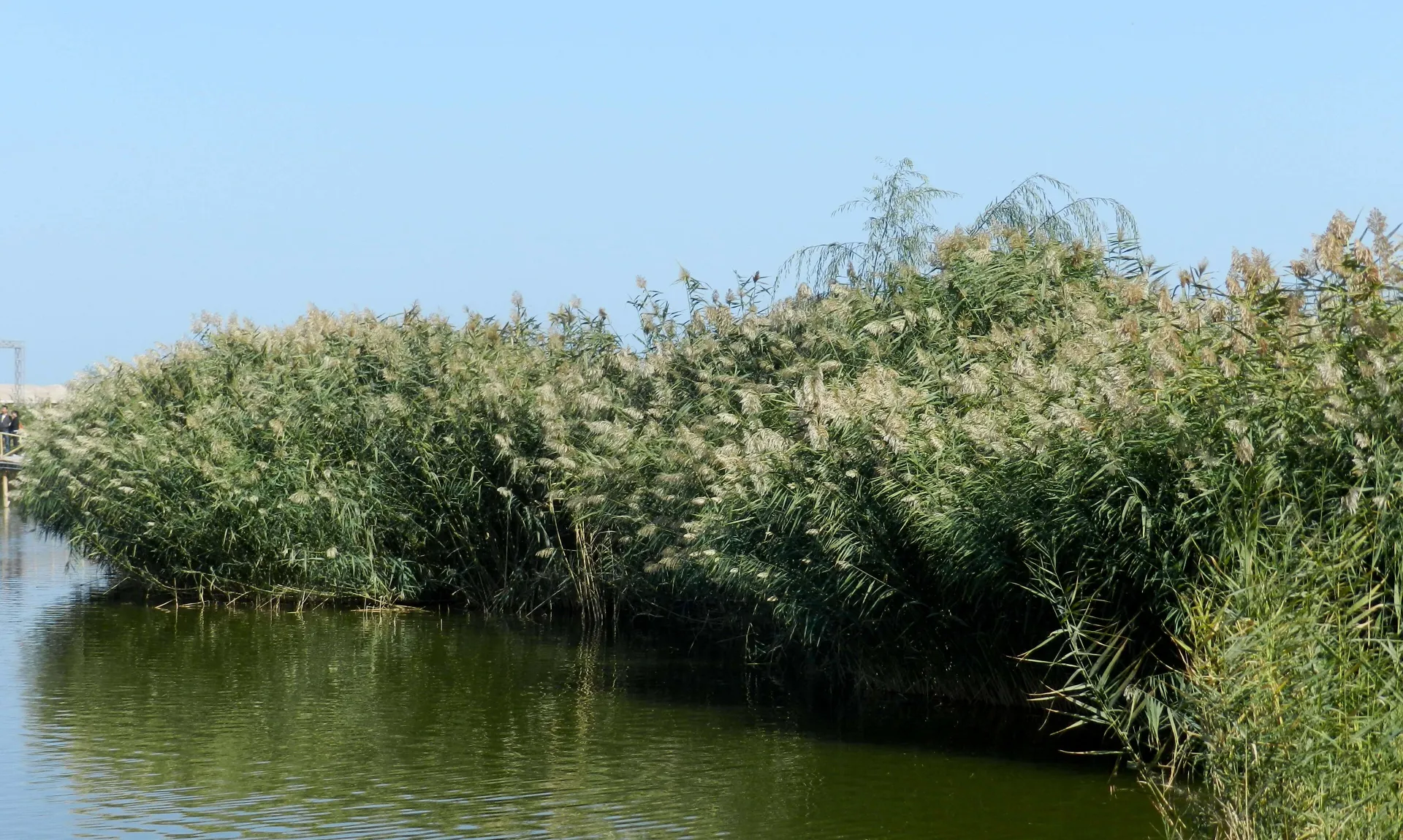
Bosten Lake | Reeds, wetlands and broad water create a different kind of lake country inside the basin.
BAYINGOLIN LOWLANDS

Bosten Lake

Bosten Lake resists the usual language of spectacle. It is too broad, too lived-in, to be understood from a single viewpoint. From the shore you often see only one part of it. Reeds, wetlands, villages, shorelines, waterbirds and human activity divide the lake into many local worlds.

That gives the journey a different rhythm from an alpine lake. You are not always searching for the point that can contain the whole lake in a single frame. Often you are simply beside the water: wind moving through reeds, a boat easing away from shore, distant water joining the sky. Bosten’s strength lies in this scale—too extensive, and too woven into everyday life, to behave like a single attraction.

Barkol Lake in eastern Xinjiang
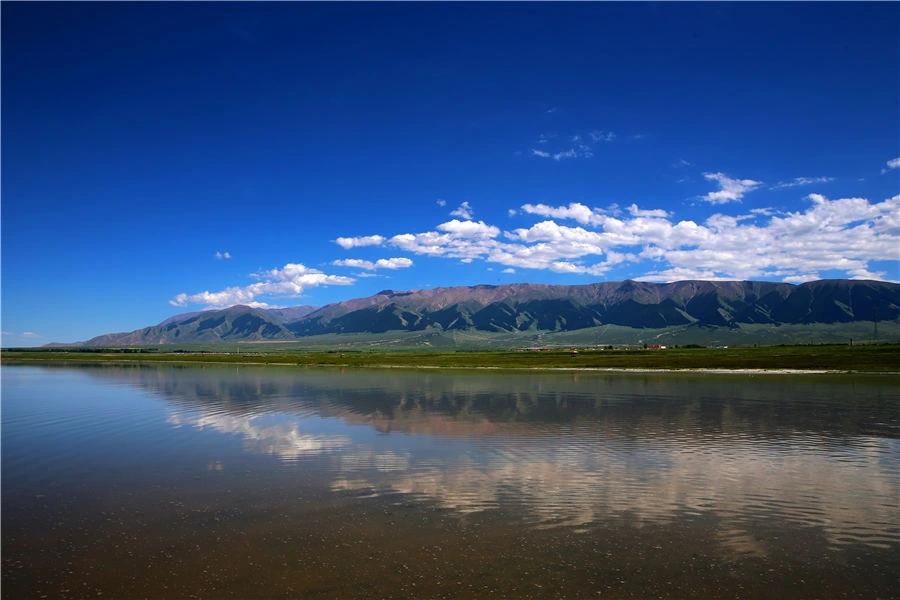
Barkol Lake | Between the eastern Tianshan and the open lake basin, the landscape feels broader and more austere.
EASTERN TIANSHAN

Barkol Lake

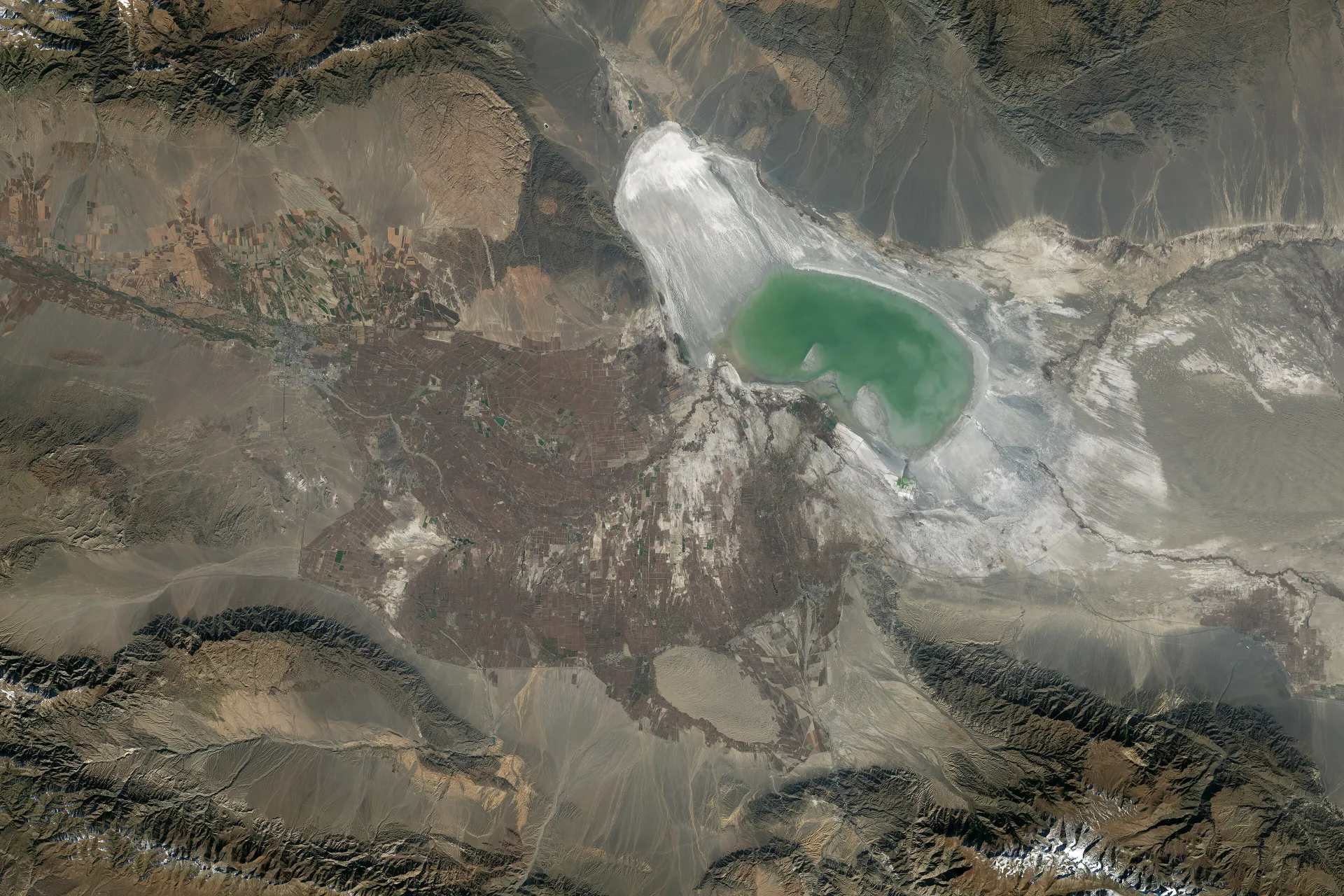
Farther east, water changes again. The country around Barkol feels harder-edged. The eastern Tianshan stand at a distance; grassland, saline ground and the lake basin overlap. There is none of Sayram’s softness, none of Kanas’s enclosing forest. The space is broader, cooler, more restrained.

The lake here is not only the water you see today. Shorelines, salt and traces of former levels make time visible. Water contracts, shifts, and leaves old boundaries behind. By this point in the journey, lakes are no longer only scenery. They have become a way to read the land.

And Some Lakes Do Not Wait for Visitors

As the map opens farther into basins, desert margins and high plateaus, water becomes quieter. Some places already sit on established travel routes. Some are only glimpsed in passing. Others are better understood than hurried toward.

Ailik Lake near the Gobi landscape of Xinjiang
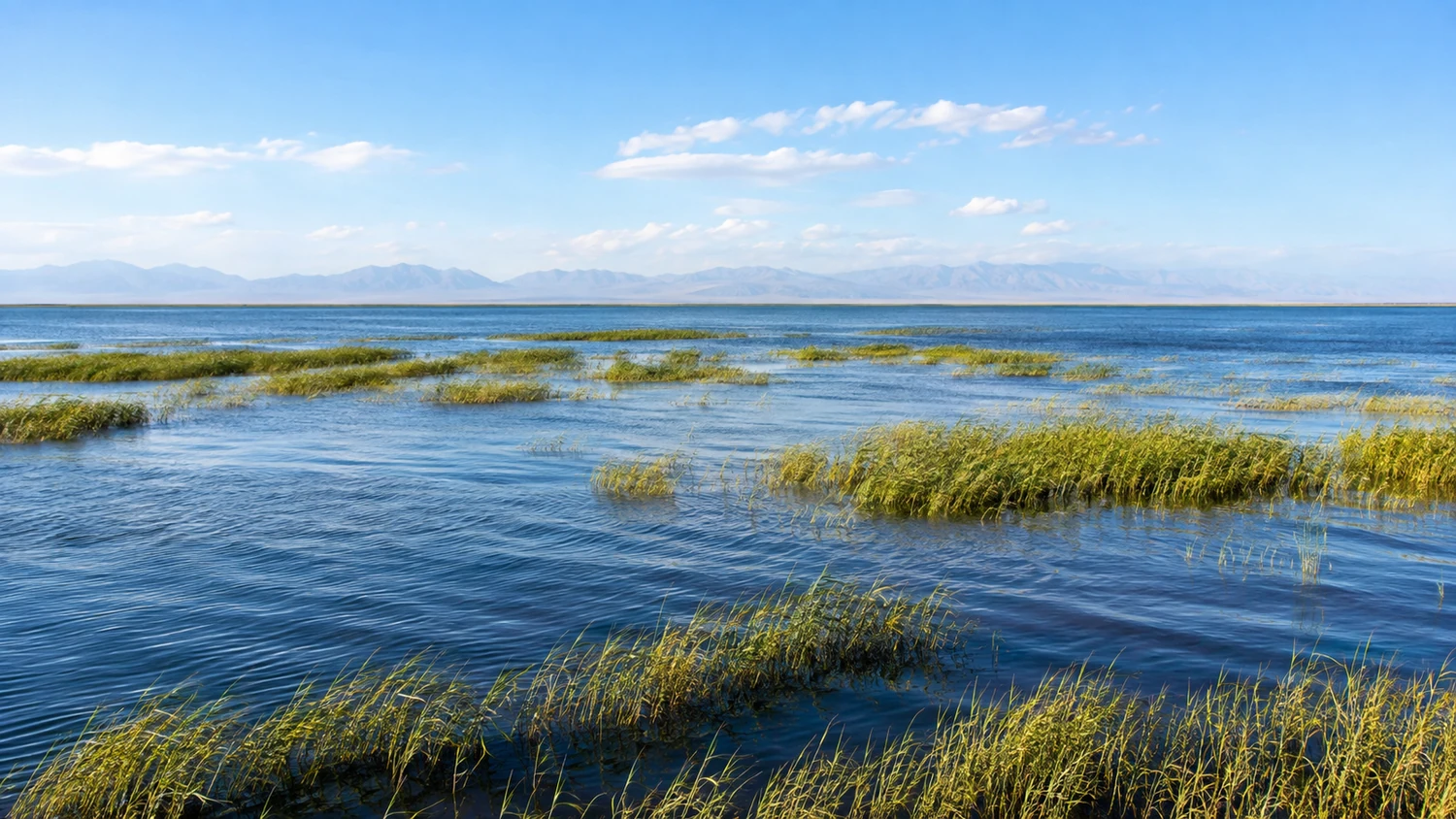
Ailik Lake | At the edge of the Gobi, dry land and wetland occupy the same view.
NEAR KARAMAY

Ailik Lake

Near Urho, the colours of the Gobi are already strong. When water appears in that setting, the contrast is immediate. Reeds rise from the shore, wetland presses against dry ground, and the Gobi remains in the distance.

Ailik does not need to fill an entire day. It works better as a reminder: dry country does not mean country without water.

Ebinur Lake in northwestern Xinjiang
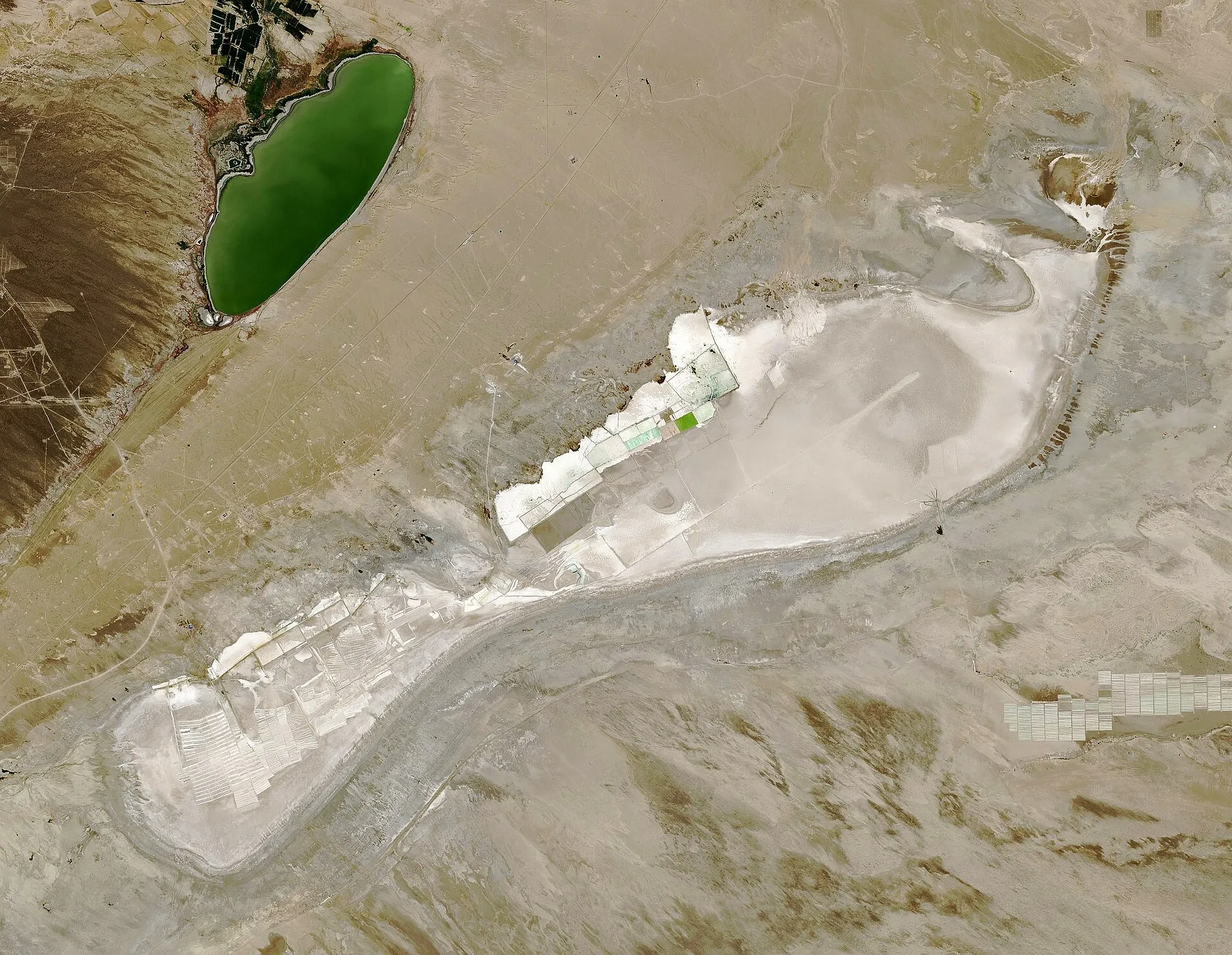
Ebinur Lake | Salt, exposed lakebed and changing wetlands tell the larger story of the water here.
WESTERN JUNGGAR BASIN

Ebinur Lake

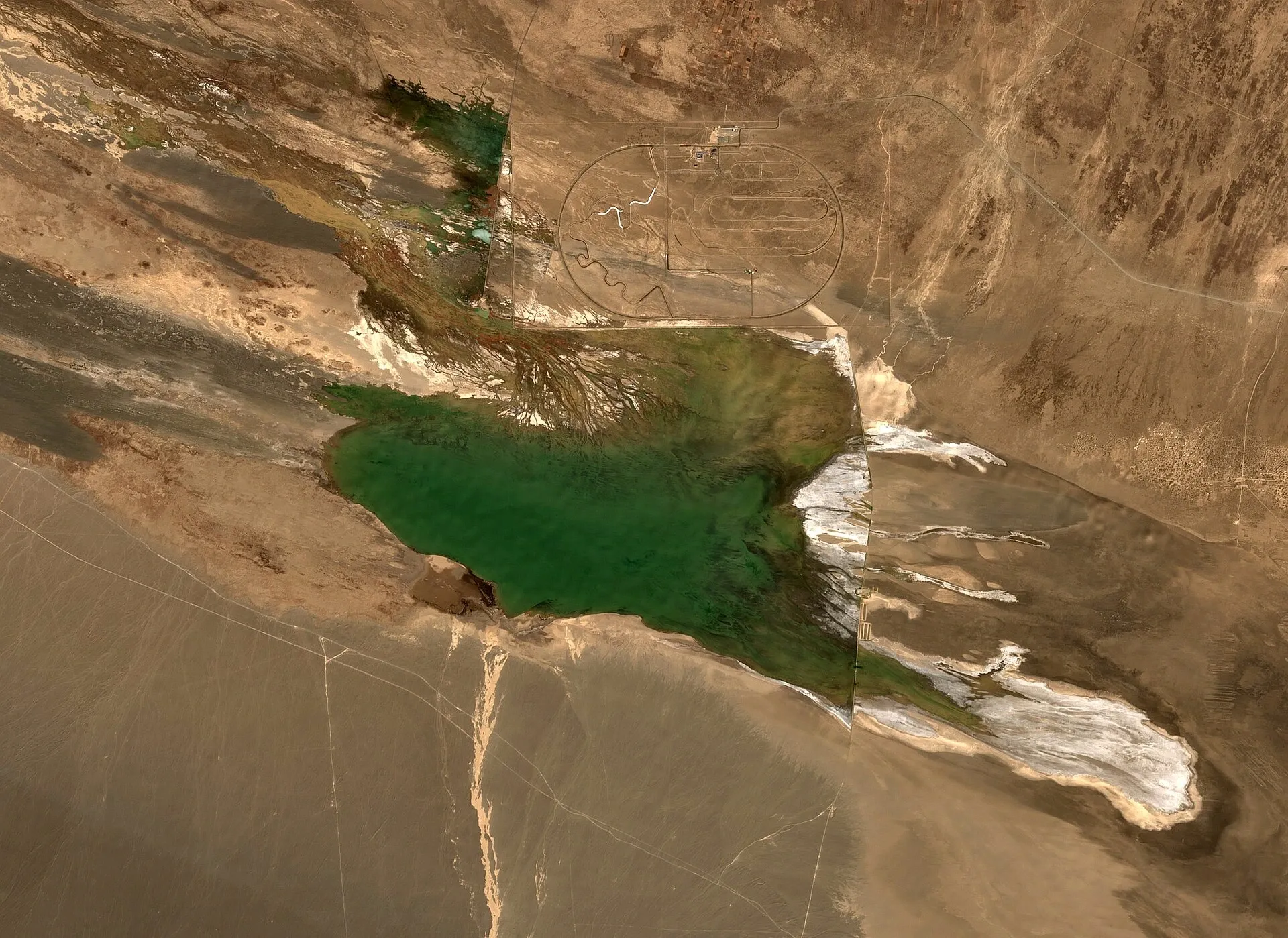
What matters at Ebinur includes water, salinity, bird migration and ecological protection. If the only question is “what can we do here?”, the question is already too small.

Sometimes the value of travel is not what you did in a place, but finally understanding why that place needs to be left intact.

High plateau lakes of the Altun Mountains
Lakes of the Altun Mountains | In the high plateau interior, some waters are better understood than hurriedly collected.
ALTUN MOUNTAINS

Lakes of the Altun Mountains

Farther into the remote plateau, lakes are scattered across the Altun Mountains. On a map, they appear as a constellation of blue in a vast interior landscape.

But not every place worth knowing belongs in the next itinerary. Some lakes are better learned about, understood, and left at a distance. Sometimes knowing that water is there is enough.

Ayding Lake in the Turpan Basin
Ayding Lake | At the low point of the Turpan Basin, water leaves its mark in another form.
TURPAN BASIN

Ayding Lake

Xinjiang’s lakes do not always lead upward. In the Turpan Basin, water reaches lower ground. There is no classic alpine-lake composition, no forest around the shore, and even the idea of a “lake” cannot be understood only as a blue surface.

What makes Ayding compelling is the basin itself. Much of the journey has been about climbing toward mountains; here, water explains a landscape by moving downward.

What Stays With You Is Not Always the Bluest Lake

You could connect every patch of blue on the map and call it a Xinjiang itinerary. It would not necessarily be a good journey. Good travel needs rhythm. Some places should excite you; some should ask almost nothing of you. A few lakes are worth a detour. Some deserve half a day, or longer. Others are best seen from the road. And there are places where knowing they exist matters more than arriving.

Travel is not the art of collecting everything on a map. Much of its quality comes from choosing: knowing when to keep moving, when to stop, when a detour is worth making, and when a place is better left undisturbed.

In the end, what you bring home is rarely the number of lakes you saw. It is more likely one moment: the blue that opens after Guozigou; water finally appearing at the edge of a forest; the Dragon Pools visible for only a few minutes beyond a bend on the Duku Highway; snow peaks doubled in the water of the Pamirs; or an evening when everyone is ready to leave and the wind at the shore suddenly drops. The journey has not gained another attraction. It has gained a memory.