
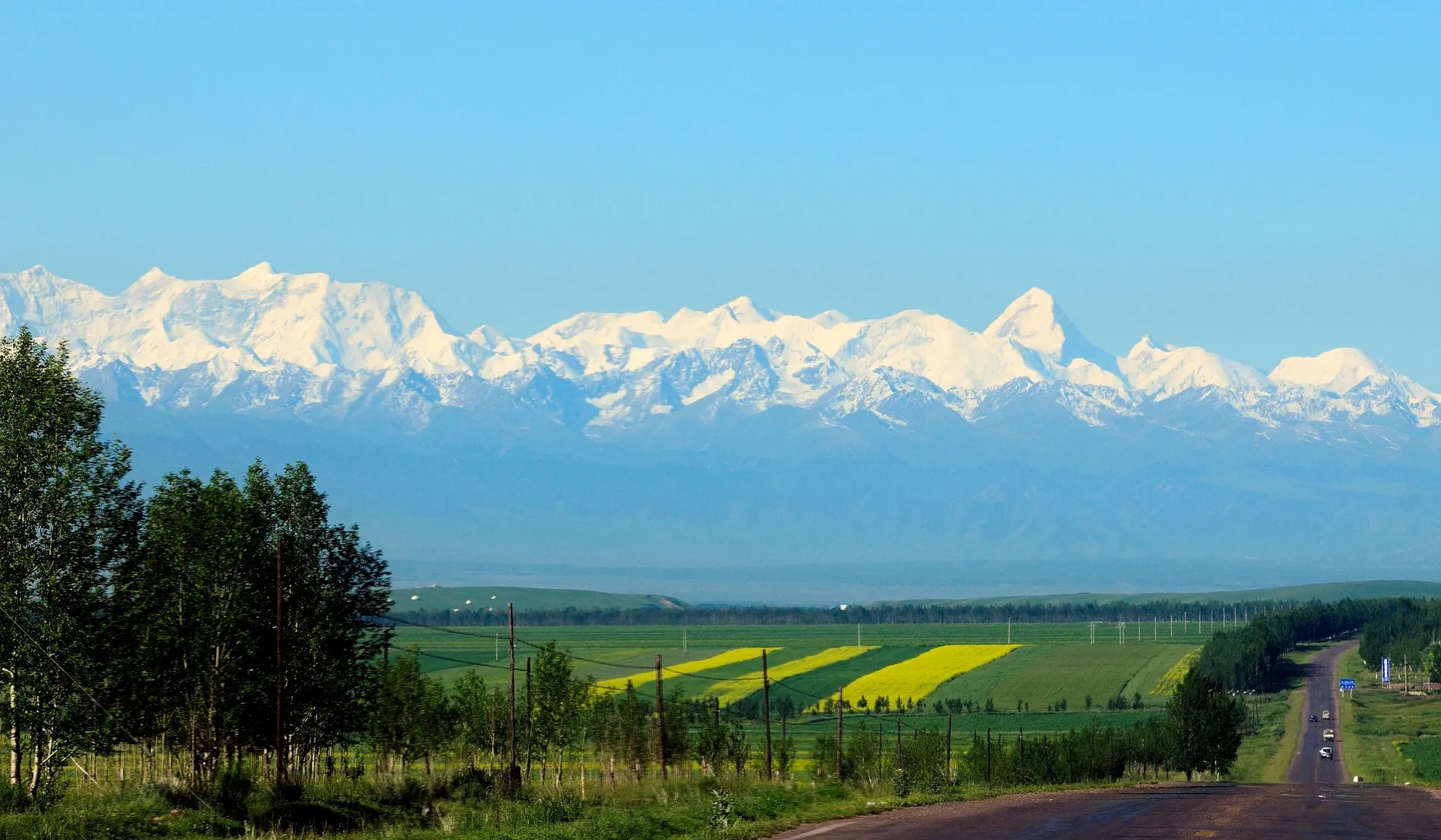
The Yizhao Highway runs about 122 km between Yining and Zhaosu over the Tianshan, typically open from around June to October. It climbs from the warm Ili Valley into high grassland country where weather and altitude change within a single summer day.
There are roads that remain on a map all year.
And there are roads that seem to belong to a particular season.
The Yizhao Highway is one of them.
It runs between Yining and Zhaosu, crossing the mountains that separate the warmer Ili Valley from the high grasslands beyond. On paper, it is simply a way from one place to another. On the road, that description begins to feel inadequate.
The journey is measured not only in kilometres.
It is measured in temperature, altitude, cloud, snow, grass, and the gradual disappearance of summer.
You may leave the valley in warm sunlight.
A few hours later, you may be standing beside snow.
Summer Does Not Arrive Everywhere at Once
The Yizhao Highway is most revealing when you watch how altitude allows several versions of the same day to exist at once.
Summer Begins Below
Near Yining, the landscape still feels generous.
Fields spread towards the foothills. Trees are heavy with leaves. The air carries the dry warmth of the Ili summer, and the mountains ahead can seem almost decorative — blue-grey walls resting quietly behind the towns and farmland.
At first, the road climbs gently.
Villages become fewer. The valley begins to fall away behind you. The slopes tighten around the road.
Then the change starts.
It rarely happens at one obvious point.
A jacket appears where, half an hour earlier, nobody needed one. The windows are closed. The air coming through a roadside stop feels unexpectedly cold.
Summer has not ended.
But it is becoming thinner.
Towards Baishi Peak
The higher the road climbs, the less reliable the season becomes.
Around Baishi Peak, the mountains begin to dictate the journey.
Snow can remain on the upper slopes long after the plains below have turned green. Clouds gather quickly. Sunlight moves across the rock faces, disappears, and returns. What looked like a clear summer afternoon from the valley can become a landscape of wind, mist and cold within a surprisingly short distance.
This is one of the reasons the Yizhao Highway feels different from an ordinary scenic drive.
The road does not simply pass through the mountains.
It negotiates with them.
Every year, winter snow and mountain conditions determine when the road can fully return. Its summer existence is never entirely taken for granted.
For travellers, this gives the journey an unusual sense of time.
You are not only crossing a mountain pass.
You are travelling along a road that has, in a way, recently awakened.
Baishi Peak is not simply the next stop. It is a marker of how thin summer has become.
A Few Kilometres Can Change the Weather
In places such as Wild Wolf Valley, distance becomes a poor way of understanding what is happening.
A few kilometres may separate sunlight from rain.
A bend in the road can reveal slopes still marked by old snow. Another may lead into fog. Then the cloud lifts, and grass appears again beneath a wide, suddenly blue sky.
Mountain weather often feels dramatic when described from a distance.
Here, it feels practical.
Drivers slow down.
People put on another layer.
Windows fog.
Someone who had been sleeping in the back seat wakes and looks outside.
Nothing particularly theatrical has happened.
The mountain has simply changed the conditions.
That is part of the character of the Yizhao Highway. It asks travellers to accept that the landscape is in charge.
The road may have been built by people.
The rhythm of the journey still belongs to the mountain.
A Road With Its Own Calendar
Most roads are judged by whether they are fast, direct or convenient.
The Yizhao Highway makes more sense if it is understood through its calendar.
Winter does not merely change the scenery here. It can change the existence of the journey itself. Snow accumulates at altitude. Mountain conditions become harsher. Sections may close, and the familiar summer route disappears from everyday travel.
Then the warmer months return.
Snow retreats.
Road crews work.
Traffic begins to move through the mountains again.
Cars, motorcycles and tour vehicles return to bends that may have spent months under snow and silence.
Perhaps this is why travelling the Yizhao Highway in summer can feel more temporary than travelling an ordinary road.
You know this version of the landscape will not last.
The green slopes will fade.
The cold will return.
The road will become a different place.
Then Comes Zhaosu
After the highest sections, the landscape begins to change once more.
The mountains loosen their grip.
The horizon grows wider.
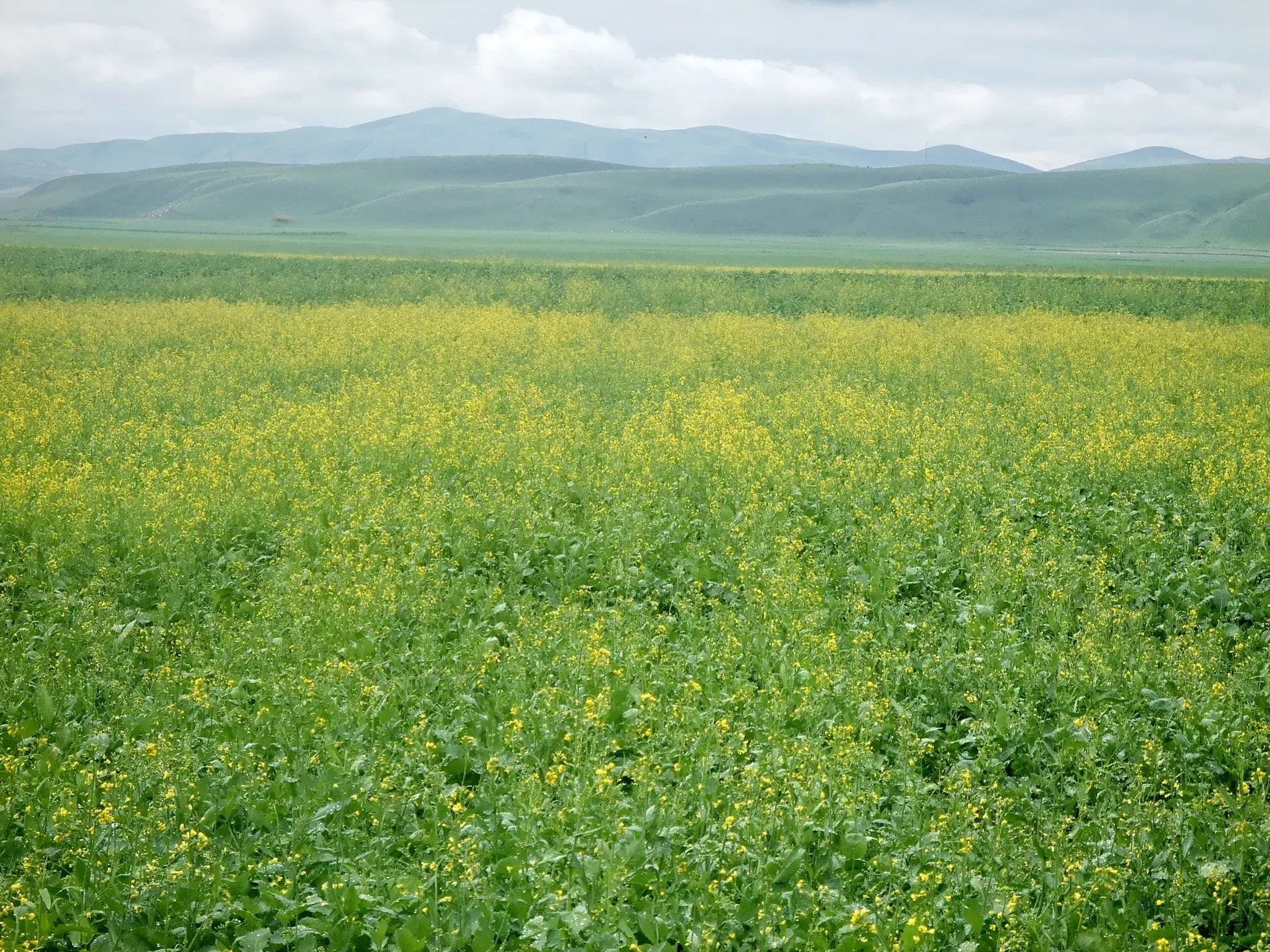
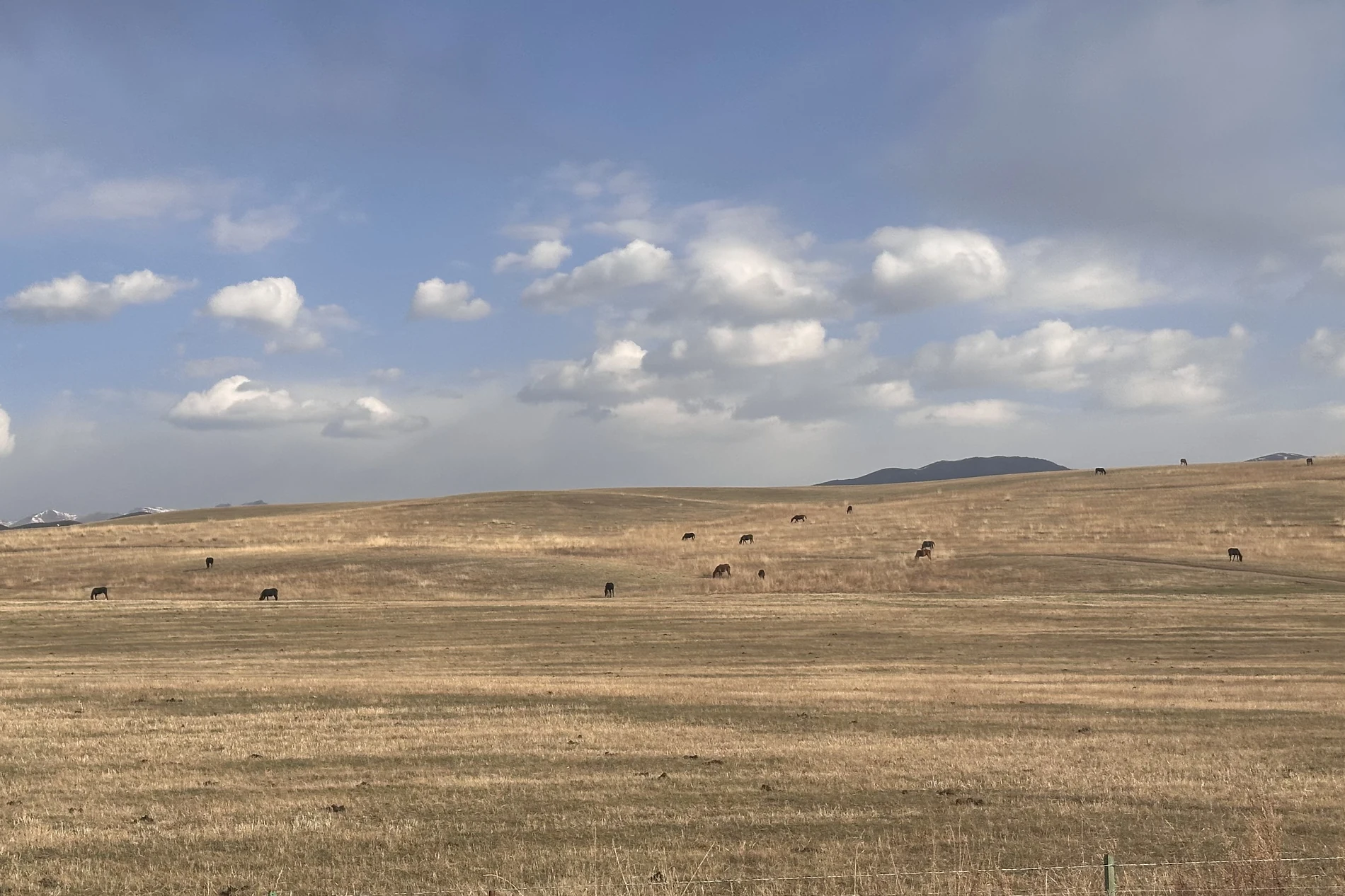
Grassland replaces the enclosed mountain road, and Zhaosu begins to announce itself not with a gate or a sign, but with space.
It is easy to describe this as arriving somewhere new.
Yet the more interesting change is seasonal.
Behind you, high in the mountains, snow may still lie beside the road.
Ahead, the grasslands are in summer.
Flowers move in the wind. Horses graze in open country. Villages sit beneath long skies.
The distance between these two landscapes is not great.
The difference between them is.
This is what the Yizhao Highway makes visible.
Altitude can compress a year.
In a single journey, a traveller can move through conditions that normally seem separated by months.
Warm valley air.
Cold mountain wind.
Old snow.
Summer grass.
The Road Is the Destination
Travellers often ask what they should stop to see along the Yizhao Highway.
There are viewpoints. There are valleys. There are mountains worth remembering.
But treating the road as a sequence of attractions misses something.
The experience lies in the transition.
Watch what happens to the trees.
Notice when the grass changes.
Feel the temperature when you step out of the vehicle.
Look back towards the valley you left earlier that morning.
Then look at the snow above you.
The Yizhao Highway rewards attention to small changes because those changes are the journey.
It is not a road that needs to be rushed.
Nor is it a road whose meaning can be reduced to a photograph from a single viewpoint.
Its character is accumulated slowly, bend after bend.
The warmer valley disappears.
The mountains take over.
The weather becomes less predictable.
And eventually, the grasslands of Zhaosu appear.
By then, you have travelled much farther than the distance on the map suggests.
Some roads connect two places. The Yizhao Highway connects two seasons as well.