
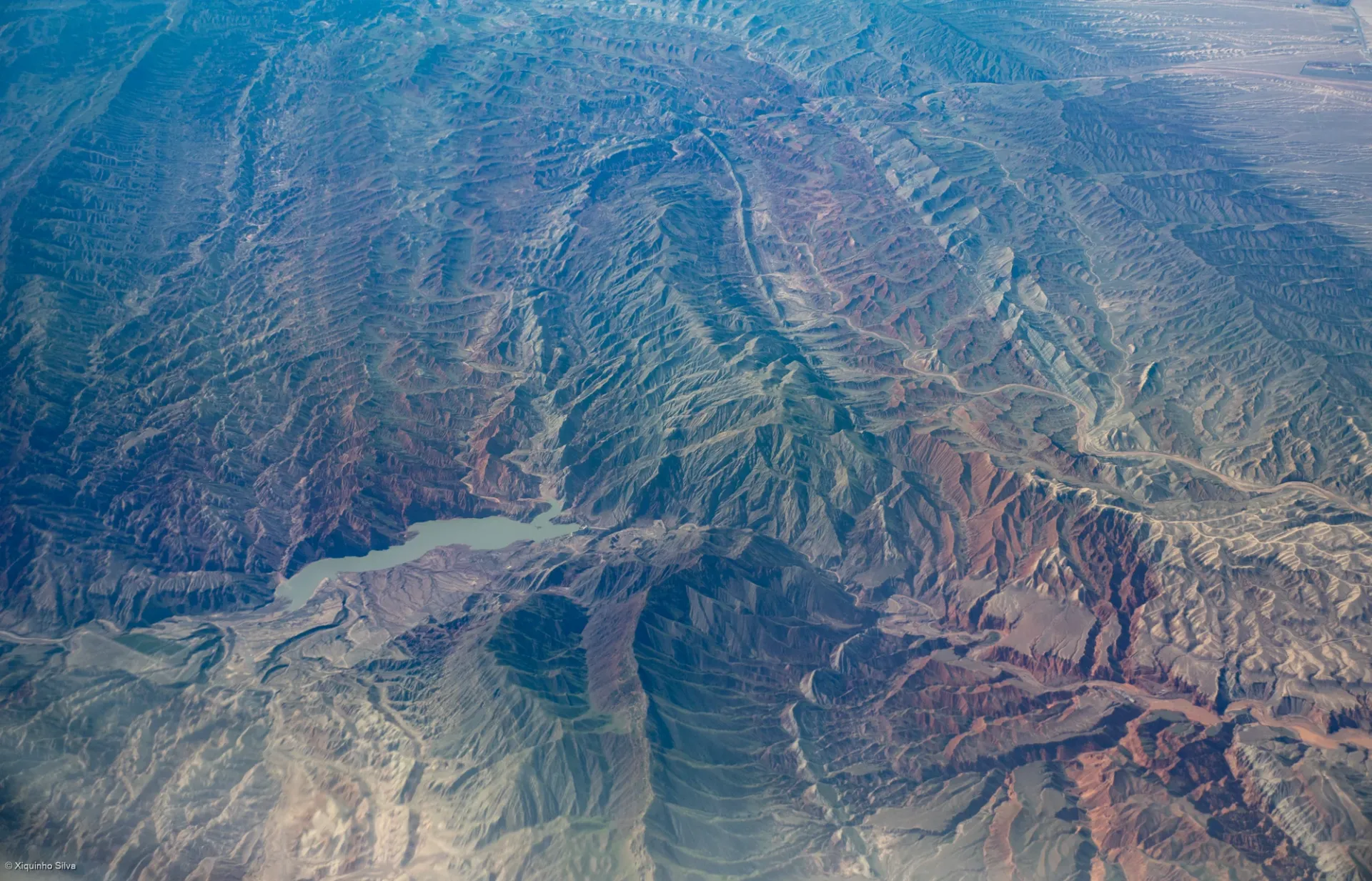
The S101 Tianshan Geographic Gallery runs about 313 km from Urumqi toward Dushanzi, best in summer and autumn. Danxia, gorges, water, grassland and snow mountains unfold along a slower roadside reading of the Northern Tianshan.
The easiest thing to do on S101 is to stop the car.
Not because you have finally arrived somewhere, but because you have just rounded a bend and the mountain has changed colour.
Perhaps it will look better a little farther on. So you drive again. A few kilometres later, you stop once more.
This road seems to produce that hesitation again and again.
From near Urumqi westwards, S101 unfolds along the northern foot of the Tianshan. It does not hurry to cross the mountains, nor does it rush you into a city. For much of the journey, the range remains to the south — sometimes close, sometimes distant — while the road searches for its position between the mountains and the plains.
There is no single destination that demands to be reached as quickly as possible.
So travellers begin to notice the roadside.
One road, several different kinds of land
The nodes below mark key stretches that change how the road is experienced, showing how S101 unfolds along the northern foot of the Tianshan.
At First, the Colours Have Not Yet Arrived
At the beginning, it is not immediately obvious why S101 is called the Tianshan Geographic Gallery.
There is still only a road ahead. Dry ground. Mountains in the distance. The occasional passing vehicle.
Xinjiang is so large that many landscapes leave a long stretch of apparent emptiness before they fully appear.
That is why the atmosphere inside the car feels looser. Nobody keeps asking how long is left. The navigation is still working, but it no longer seems to matter very much. What draws attention slowly shifts beyond the windscreen.
The mountains move closer. The ground begins to rise and fall. Into what had seemed a single grey-yellow surface, other colours start to enter.
First, a slight red that is almost uncertain. Then the red becomes clearer. After that come brown, yellow, chalky grey and even tones that approach purple in the shadows.
The mountains stop being just ‘mountains’. They begin to show a surface.
Some Colours Need the Car to Slow Down
Around the Liuhuanggou area, the part of S101 that is easiest to remember begins to reveal itself.
Coloured rock strata are exposed on both sides of the road. Some slopes look as if they have been cut open neatly, layer pressed upon layer. Elsewhere, long erosion has turned the land into gullies, ridges and rising folds of earth.
Inside the car, few people first think in geological terms. The first response is usually simpler: how did the land suddenly become this colour?
So the speed drops.
If there is somewhere to stop, you stop. Once the door opens, the sound of the road becomes much clearer. Wind moves through the valley. Another car can be seen travelling slowly along the next bend. What had been a view through glass now stands directly in front of you.
Photography makes people greedy. This side has better light. Perhaps the angle improves a little farther on. No one knows what lies behind the next ridge.
So you get back in the car.
That is how the rhythm of S101 forms itself: drive a little, stop, look for a while, then continue.
Sometimes what matters is not a single viewpoint, but a privilege that long-distance travel does not often grant: not having to hurry away.
Drive a little. Stop. Look for a while. Continue.
The gift of this road is that it does not rush you away.
The Road Turns Like a Slowly Opened Book of Geology
Continuing west, the colours do not remain the same.
That is what makes S101 more interesting than a road that is simply known for red landforms.
If you only looked at the most famous photographs, you might assume the whole route is lined with red mountains. Once you actually drive it, you realise that is not the case.
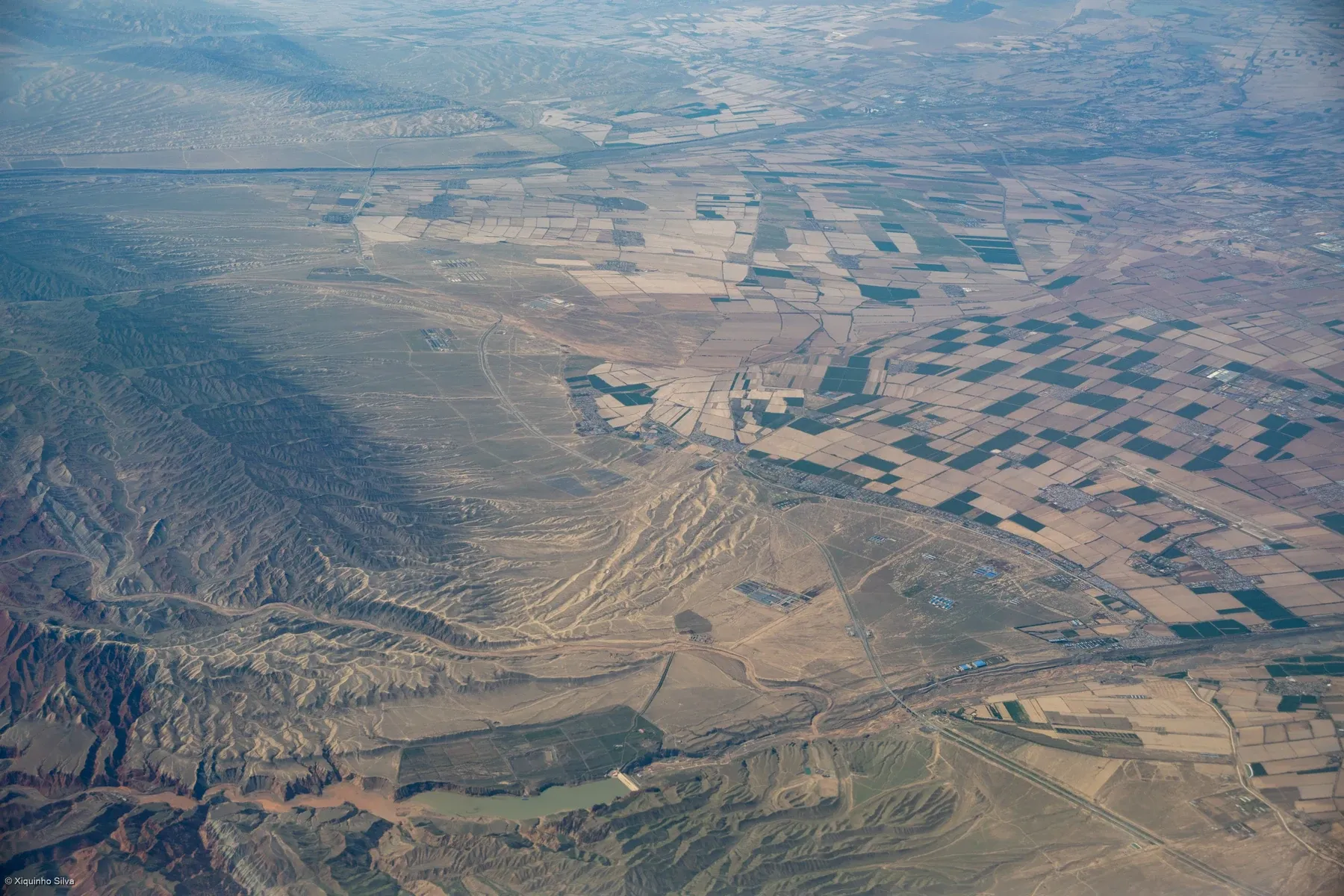
The red begins to recede. Gorges appear. The road passes water and reservoir country. Farther on, more green begins to spread across the slopes. Bare rock gradually gives way to grass. The Tianshan still lies to the south, but it keeps changing its appearance.
So the real subject is not how many colours can be counted, but why the colours keep changing.
The road runs along the piedmont zone on the northern side of the Tianshan. Where rock layers are exposed, the land shows its own structure directly. Where water has passed, valleys and gorges have been cut open. When conditions change, grass begins to cover the ground. Higher and wetter mountain country introduces another set of colours altogether.
Travellers do not need a full education in geology.
The road itself is already providing the clearest possible explanation. All you have to do is keep moving.
What Sits Beside the Road Begins to Matter More Than the Destination
This kind of journey slowly changes the way people look at a map.
Ordinary itineraries keep asking: where are we going today? What time will we arrive? Where are we staying tonight?
S101 turns the questions into something else: what is the next stretch of road like? Should we go back to what we just saw? Will the land beyond the next ridge still be red?
It is a small change, but it turns the road into part of the journey itself.
Sometimes you stop at a nameless lay-by. There is no ticket office, no major entrance, not even a sign telling you the best angle for a photograph.
There is only mountain, road and wind.
After a few cars pass, the place becomes quiet again. A little later, you get back in and drive on.
That kind of pause often has no name, no ticket office and no formal entrance. It happens simply because something at the roadside deserves a few more minutes.
And on S101, moments like that happen often.
That is also why the road rewards a slower pace. If the only aim is to drive from the eastern end to the western end as quickly as possible, much of what matters will slip back into the side windows and become background again. The road still performs its transport function. The journey, however, loses something.
By Afternoon, the Land Slowly Turns Green
A road of more than three hundred kilometres is long enough for a day to change around you.
The morning light is harder. By midday, the exposed slopes push all their colours to the front. Later in the day, the sun begins to angle lower, and the same rock faces seem to take on another tone altogether. Shadows grow longer.
Farther west, the scenery begins to move away from colour-saturated hills towards broader grassland and open valleys.
Looking back, the ground seen in the morning can feel very far away.
Yet unlike the sharp sensation of suddenly entering a different world, most of S101 changes without a strict boundary.
There is no exact kilometre where someone tells you: the Danxia ends here; the grassland begins there.
Everything happens gradually.
A little less red. A little more green. The gorges widen. The mountain shifts its position.
Then, at a certain moment, you realise that the view from the afternoon window has become entirely different from the one in the morning.
That may be what makes the name Geographic Gallery truly meaningful. Not because the road lines up a series of pretty attractions, but because the land keeps unfolding like a very long painting while the car keeps moving forward.
What you are seeing is not only a series of different scenes, but the way one landscape slowly becomes another.
By the End, What You Remember May Simply Be a Few Colours
By evening, a phone usually holds many photographs from S101.
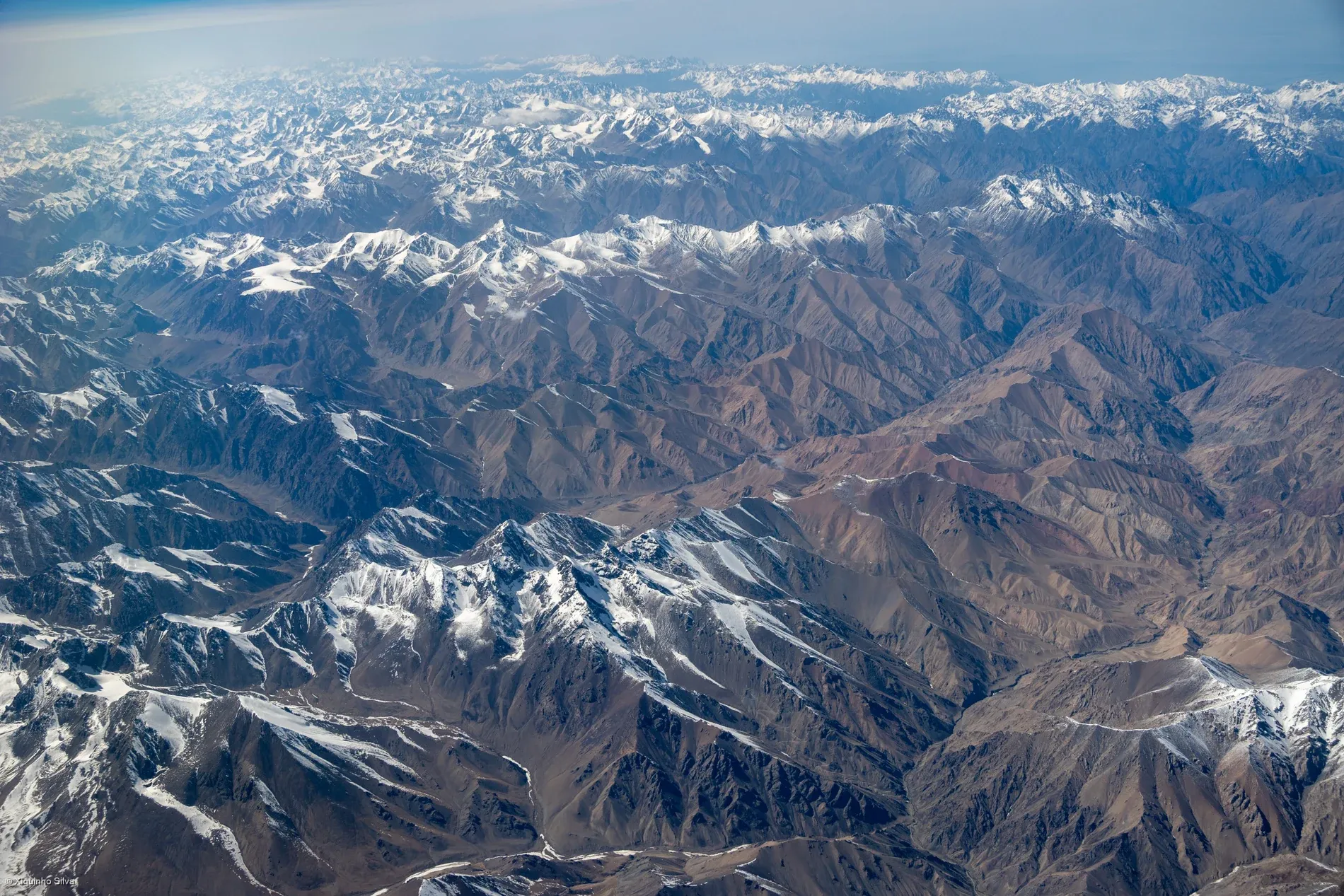
Red ridges. Curving road. Gorges. Grassland. Snow mountains in the distance.
Some of them are difficult to place exactly afterwards.
That does not matter.
S101 is not really a road that asks you to collect named locations. It is closer to a continuous act of looking.
It begins in dry piedmont country, enters exposed and colourful rock, passes through water, valleys and rising land, and eventually arrives at more and more green.
The road remains. The Tianshan remains too.
What keeps changing is the belt of land between them.
If you travel slowly enough, you begin to realise that the colours of Xinjiang are not there for travellers alone.
Red is not a filter. Green is not a backdrop suddenly supplied by a scenic site. Every colour has geography, water, stone, vegetation and time behind it.
S101 simply happens to pass beside them.
And it gives travellers an entire day in which to notice them slowly.
Some roads take people to a destination.
S101 is more like a road that teaches you how to look along the way.
Some roads take people to a destination.S101 is more like a road that teaches you how to look along the way.