
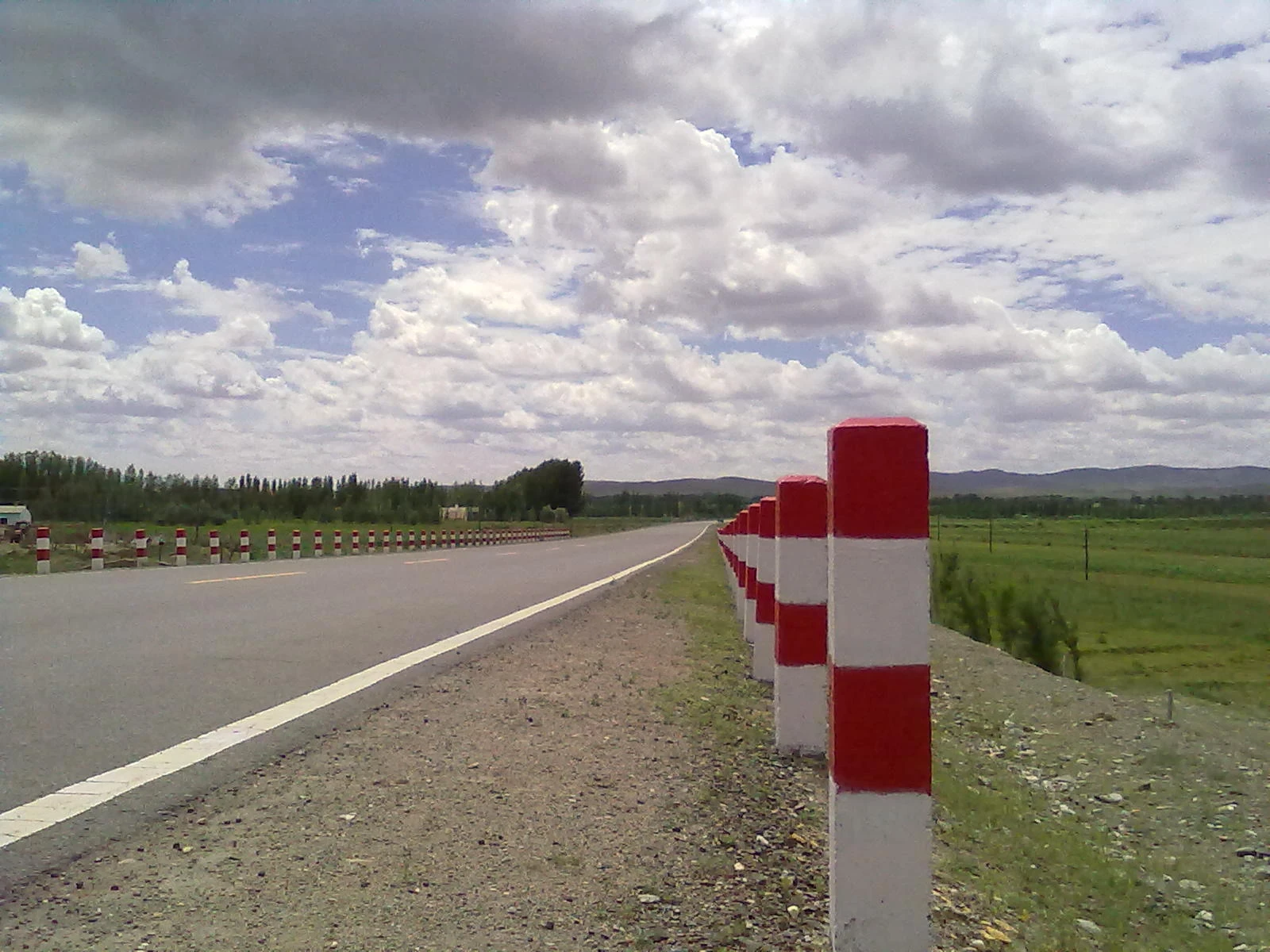
G331 runs about 1,443 km along Xinjiang’s northern rim from Altay toward Koktokay and beyond. Passability varies by section and season. Towns punctuate multi-day drives through river valleys, grassland and mountain country—the journey often only feels complete on the second morning.
At the beginning, you still look at the navigation screen.
A little over two hundred kilometres ahead. The next town. The next fuel stop. Where you will sleep tonight.
The car keeps moving.
Several hours later, the numbers are still falling, but they no longer feel like the most important part of the journey.
Northern Xinjiang is too large for that.
Large enough for a town to be only the end of a day rather than the end of the trip.
The next morning, the luggage goes back into the car, the navigation lights up again, and the road is still there.
That is when G331 really begins.
A road this long only becomes complete on the second day
The Xinjiang section of G331 is extremely long, and actual driving should be divided according to season, road conditions, vehicle, accommodation and the energy of the people travelling that day.
At First, You Still Count Kilometres
The beginning of a long road trip is usually very practical.
Is there enough fuel? Where is the water? How long are we driving today? How many kilometres are left?
Just outside a town, there are still plenty of things to recognise beside the road: houses, trees, fields, junctions, the occasional person walking.
Then those things begin to spread farther apart.
By the end of 2025, 1,443 kilometres of G331 within Xinjiang had been officially connected. On a map, that is a number. Inside a car, it means the road cannot be explained in a single morning.
You have to travel into it.
The scenery does not rearrange itself every ten minutes for the benefit of the traveller. Much of the time, there is simply more road ahead, a large sky, mountains somewhere in the distance and the occasional vehicle.
Precisely because nobody keeps announcing that you have reached the next attraction, distance begins to recover its real weight.
One hundred kilometres stops being a short line on a map.
It becomes an actual morning spent moving.
Towns Begin to Become Punctuation Marks
In ordinary city travel, the town is the destination.
On a road long enough, a town becomes something else.
It may simply be where you stop for the day.
Arriving in a county town in the late afternoon, the first thing you notice may not be a sight at all. It might be a petrol station, the return of denser trees, or simply somewhere outside the hotel where the car can finally be left.
Only after the engine is switched off does the body realise how long the day has been.
Dinner becomes simpler too.
Not a box to tick on a list of local foods, but something you need because the day is over.
Back in the room, chargers are plugged in and photographs begin syncing automatically. The phone fills with road, river, cloud, grassland and mountains whose exact location you can no longer name.
The next morning, that town is already in the rear-view mirror.
It has not been ignored.
It has simply changed from a destination into a full stop.
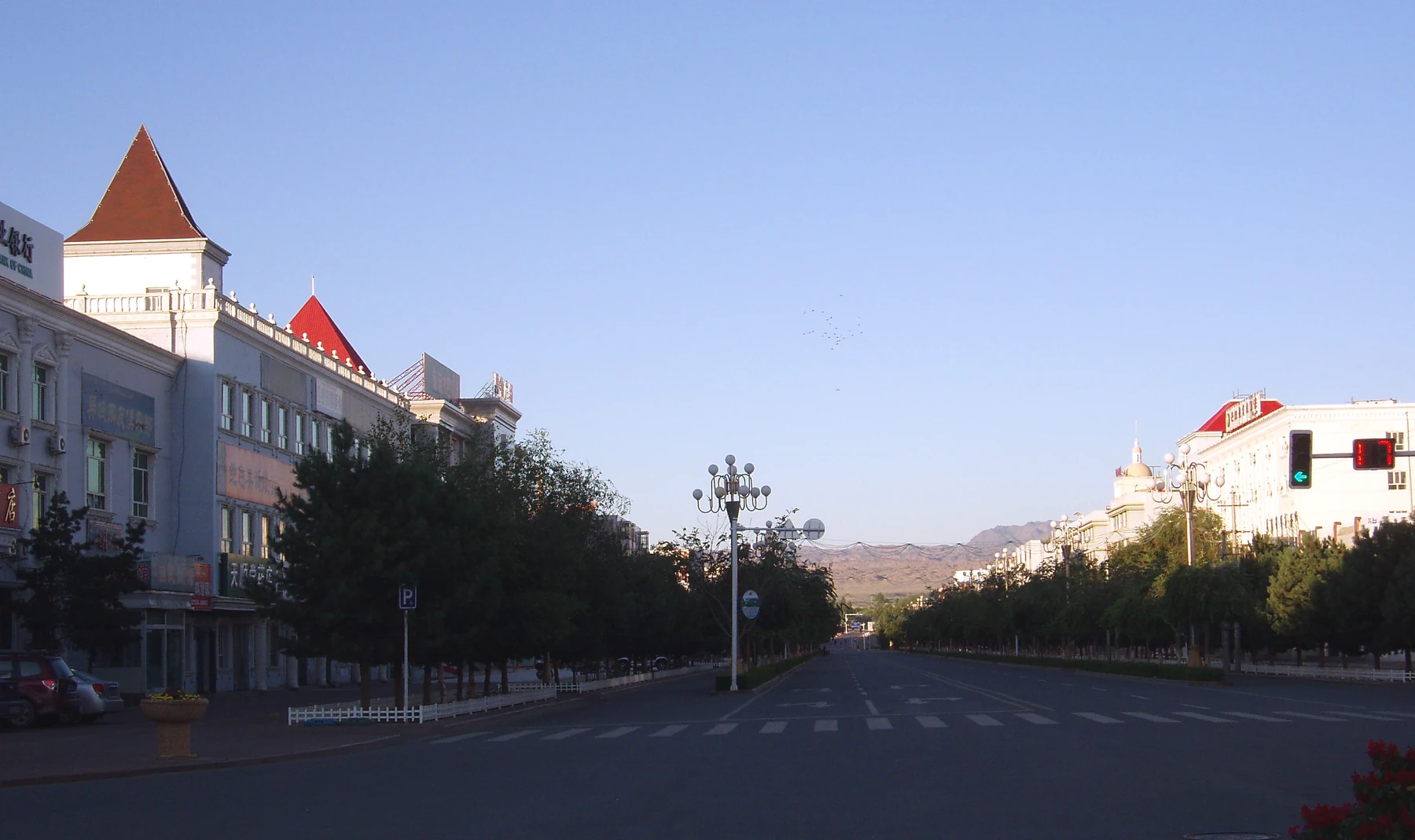
Northern Xinjiang Is Never Just One Landscape
Trying to explain northern Xinjiang with a single photograph will almost certainly fail.
There is no single landscape here.
The G331 Altay–Koktokay section, which opened on 30 June 2025, was officially described as passing through mountain country, lakes, wetlands, river valleys, forests and grassland.
Written in one line, those words are easy to skim over.
On the road, there is distance between them.
One stretch may follow a river valley. Farther on, trees become denser. Then the space opens again and grassland appears. The shape of the mountains changes. Much later, the ground begins to look drier.
There is no large gate announcing that the forest begins here.
No sign declares that the grassland ends there.
The landscape changes continuously beneath the wheels.
That is one of the great differences between a scenic site and a long road.
A scenic site gives the landscape a boundary.
The road shows you that boundaries are often much less obvious.
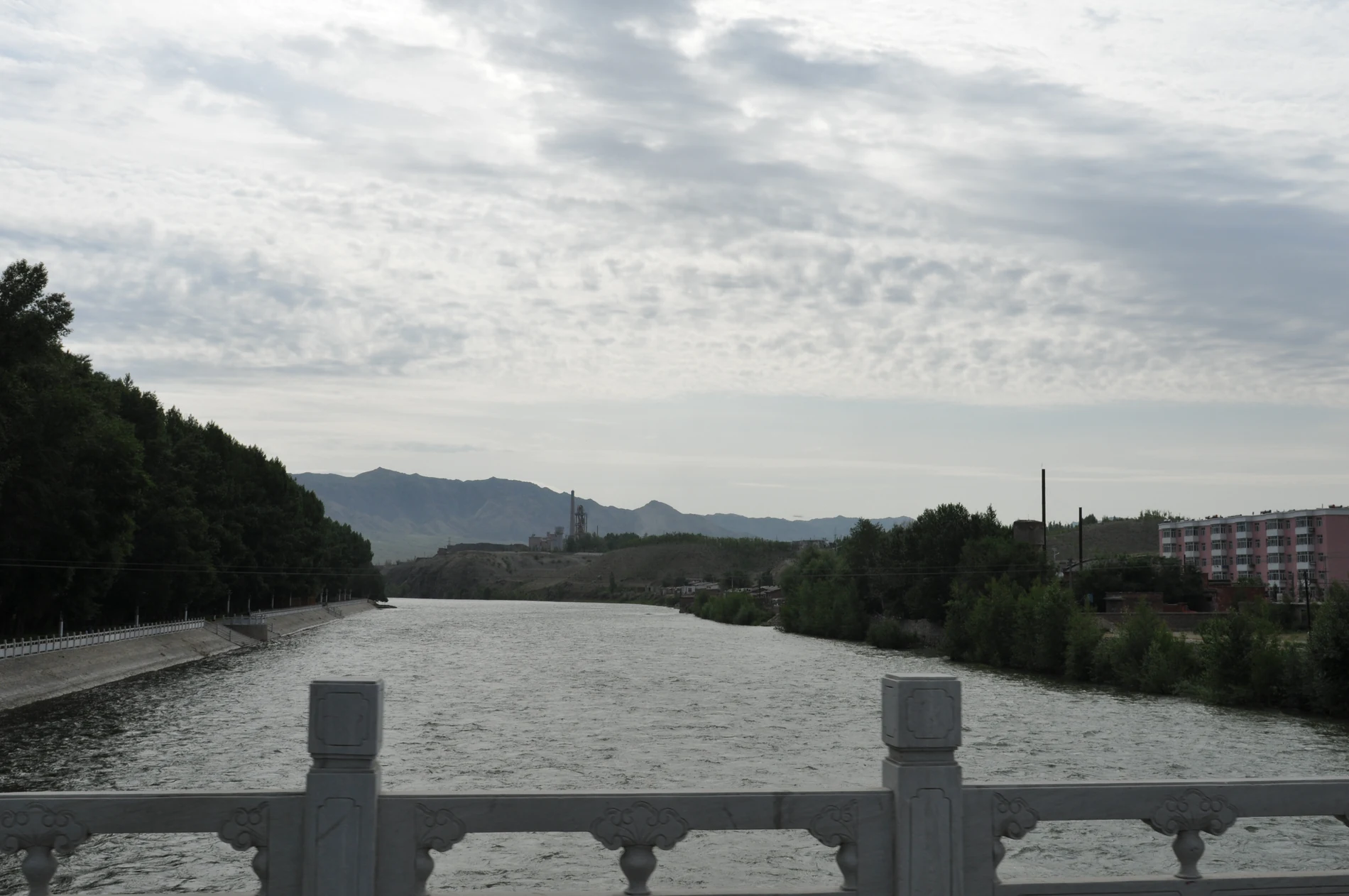
A Long Road Redefines What ‘Nearby’ Means
Drive for long enough and your sense of what counts as ‘nearby’ begins to shift.
Two or three hundred kilometres between towns can look very far in the morning.
By the afternoon, the question may have become much more ordinary: do we keep going today?
Fill the tank.
Get back on the road.
Drive another two hours.
Stop to stretch.
And somehow, it is still not dark.
Xinjiang's scale is not really understood by saying that the region is vast.
It is understood through these ordinary actions.
You stop zooming in and out of the map quite so often.
The destination still matters, but the distance in between stops being empty space that has to be eliminated as quickly as possible.
Road, weather, breaks, meals, fuel and starting again become part of the journey.
Long distance begins to have a life of its own.
Xinjiang's scale is not understood by being told that it is large.
It is built through the act of setting off again and again.
The Journey Only Becomes Complete on the Second Morning
A one-day road trip can easily produce a complete story.
Leave in the morning. Arrive in the evening.
What makes G331 more interesting is the second day.
You open the curtains and the weather may already be different from yesterday.
Blue sky may have turned to cloud.
The temperature may have dropped.
Later in the season, the northern mountains can even seem to have changed colour overnight.
After breakfast, everyone gets back into the car.
Water is topped up. Bags are secured again. A phone is connected to the charger.
The navigation screen displays a new set of kilometres.
But this time, there is less urgency to finish reading the number.
You already know that today will include places whose names you do not yet know.
And that you will probably stop somewhere you did not plan to stop.
A truly long road only begins to pull the traveller out of the state of ‘getting somewhere’ after the second morning.
You begin to accept something simple:
most of today is supposed to be spent on the road.
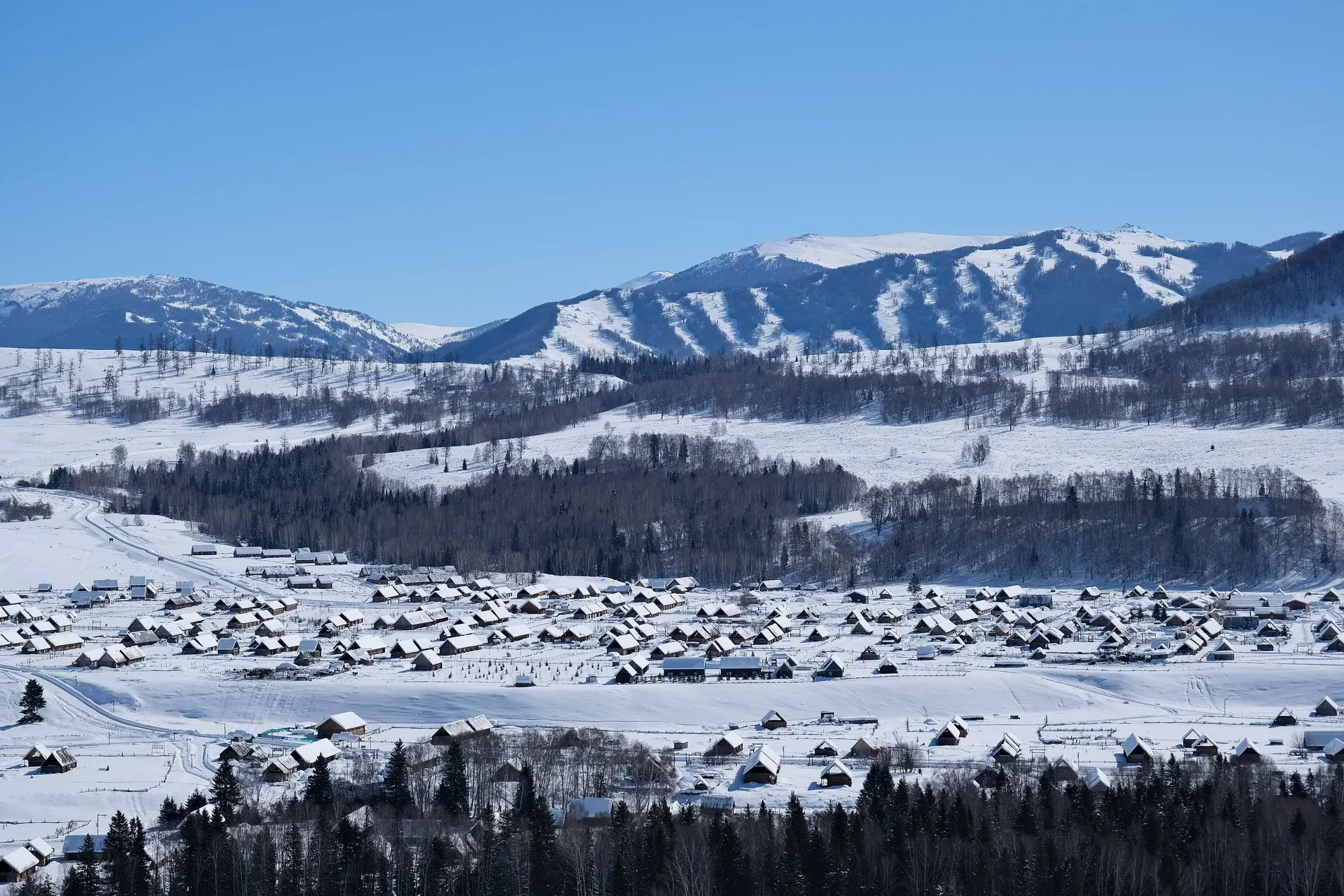
In the End, You May Not Remember One Town More Than Another
After a long journey, of course you still remember the places.
Altay. Fuyun. Koktokay. Burqin. And the other towns, river valleys and stopping points along the way.
But what holds those names together is not a checklist.
It is the distance between them.
You remember where you left from one morning, what kind of roadside place you stopped for lunch, how the weather changed in the afternoon, and in which town the car finally stopped that evening.
Each of those things is ordinary on its own.
Put together, they create the kind of memory only a long road can produce.
The connection of G331 across Xinjiang has given the northern road network a more continuous east–west structure.
For the traveller, however, the more immediate change is different.
Northern Xinjiang stops being a set of isolated names on a map.
Why forest appears in one place, why a river valley becomes grassland, why towns are separated by such long stretches of open country — all of it begins to make sense through continuous movement.
When the road is long enough, destinations become chapters.
And the road itself slowly becomes the story.
When the road is long enough, destinations become chapters.And the road itself slowly becomes the story.