
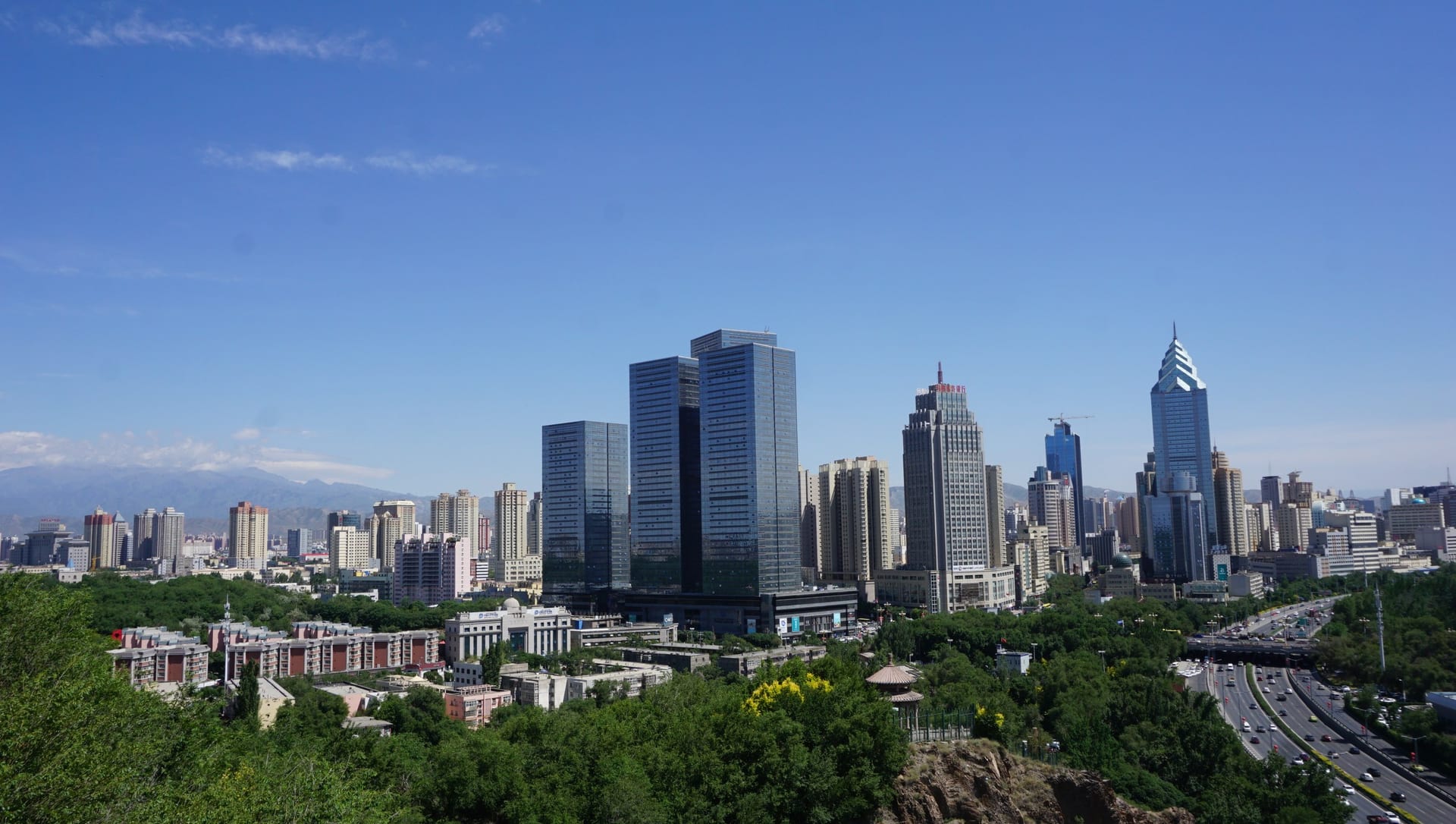
It is difficult to understand Urumqi from the air. As the plane descends, roads, apartment blocks and industrial districts spread across the ground. The Tianshan Mountains lie to the south, though they may be hidden behind cloud or the pale haze of the skyline.
After landing, travellers collect their luggage and drive towards the city. Conversation often turns quickly to what comes next: the Ili River Valley, the forests of Altay, the desert around Turpan, or somewhere farther away.
Urumqi can seem like a city preparing you to leave.
That is the first impression many visitors have. It is also why they so easily miss the city itself.
Urumqi is one of the principal gateways to Xinjiang, but a gateway is not simply a door to somewhere else. For centuries, people have arrived here by road. Some came to trade, study or work. Others expected to remain for only a few years and ended up spending most of their lives here.
Begin with Time
A first visit to Urumqi might begin at the Xinjiang Museum.
This is not because every journey should start with a history lesson. It is because Xinjiang is too often introduced through a few vague words: remote, mysterious or exotic.
Such words create atmosphere. They rarely create understanding.
The museum offers something more useful: time.
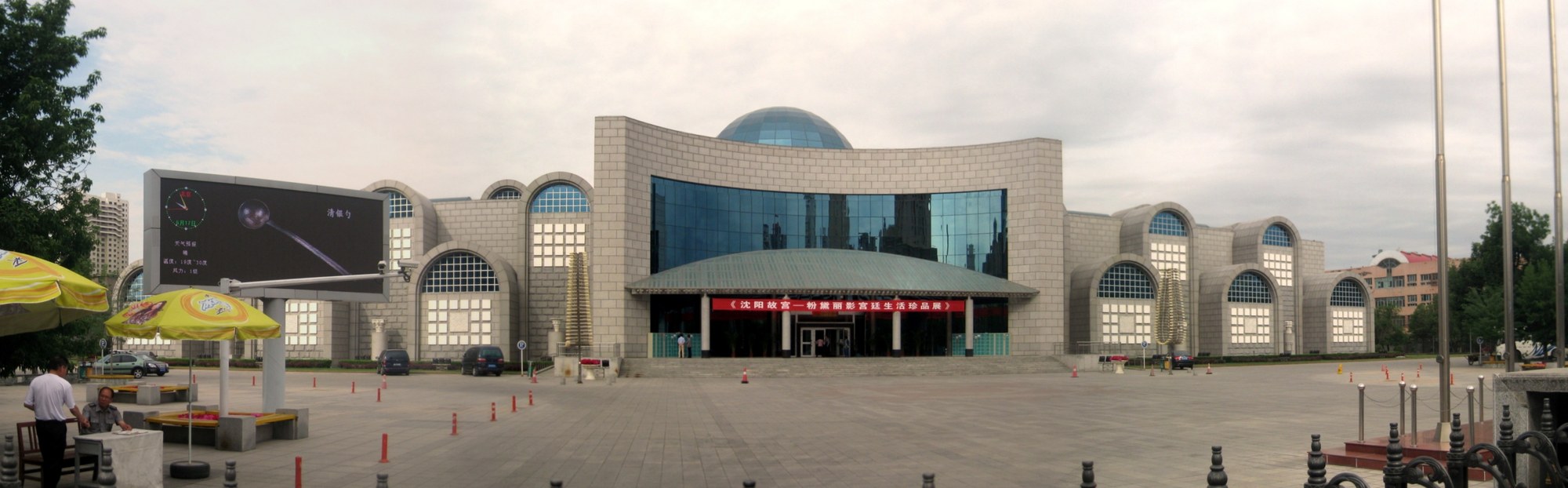
Its collections show how people, technologies, beliefs, languages and goods moved across this region over long periods. Mountains and deserts created distance, but roads repeatedly connected what geography had divided. People did not merely pass through Xinjiang. They stayed, traded, learned, adapted and built lives in new surroundings.
Outside the museum, the city appears unchanged.
Buses continue along the road. People hurry across junctions. Restaurants prepare for lunch. Yet the traveller may now find it harder to think of Xinjiang as an isolated place at the edge of the continent.
The movement seen inside the museum continues beyond its doors. It has simply taken a different form.
Two Maps from Hongshan
From the museum, head to Hongshan Park.
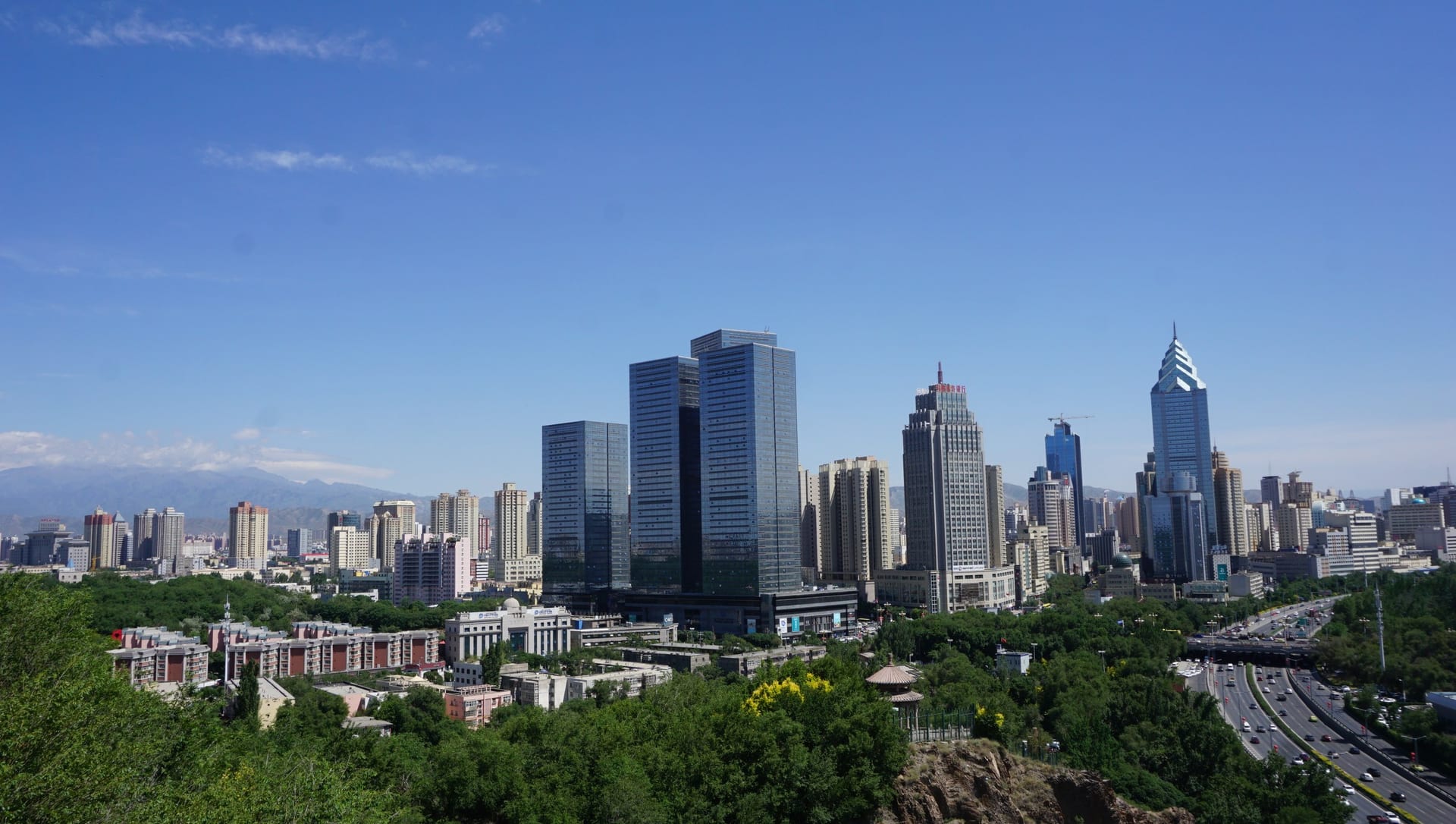
Hongshan is not especially high, but it offers one of the clearest ways to understand the shape of Urumqi. Buildings extend across the plain. Hetan Expressway runs through the city. Older districts and newer developments overlap in the distance. On a clear day, the Tianshan Mountains form a quiet boundary to the south.
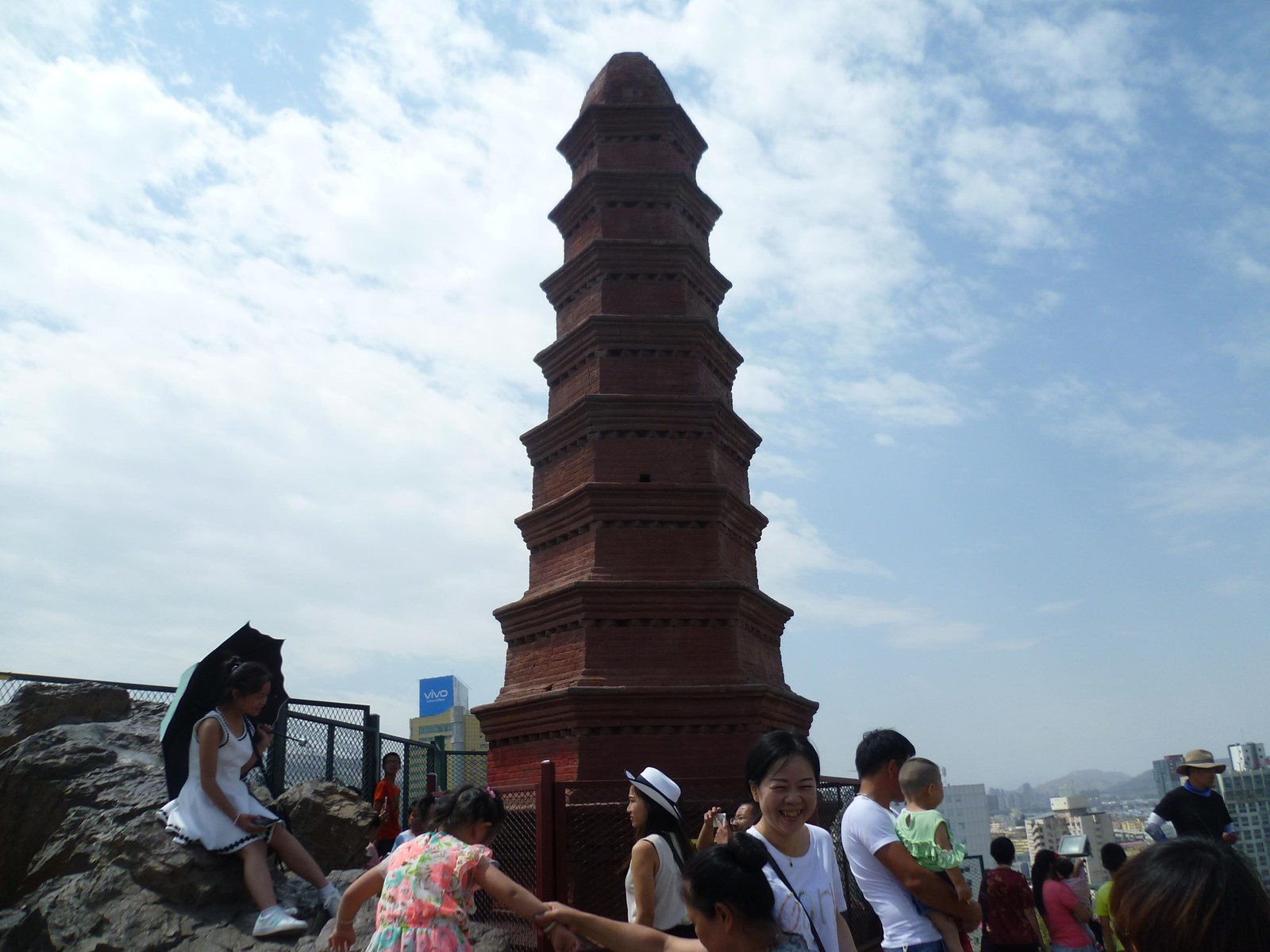
A traveller may raise a phone and search for landmarks.
A resident may point towards a place that no longer exists.
An older person might explain that a cluster of towers stands where the city was once far less dense. Someone may still give directions using the name of a cinema demolished years ago. A younger listener may never have seen the building, yet still understand which junction is meant.
The structure has disappeared. Its direction remains in language.
Long-term residents often navigate with Hongshan, old markets, bridges and former bus routes. Younger people rely on metro stations, shopping centres and digital maps.
They live in the same city, but carry different maps.
One was drawn by memory. The other is continuously updated.
Much of a city’s history can be found in the distance between the two.
The River Beneath the Road
Leaving Hongshan, a vehicle soon reaches Hetan Expressway.
To a visitor, it may be little more than the road between the airport, a hotel and several attractions. To residents, it is an urban artery that must be calculated each day: which exit to take, when traffic will slow, and how long it will take to travel from the south of the city to the north.
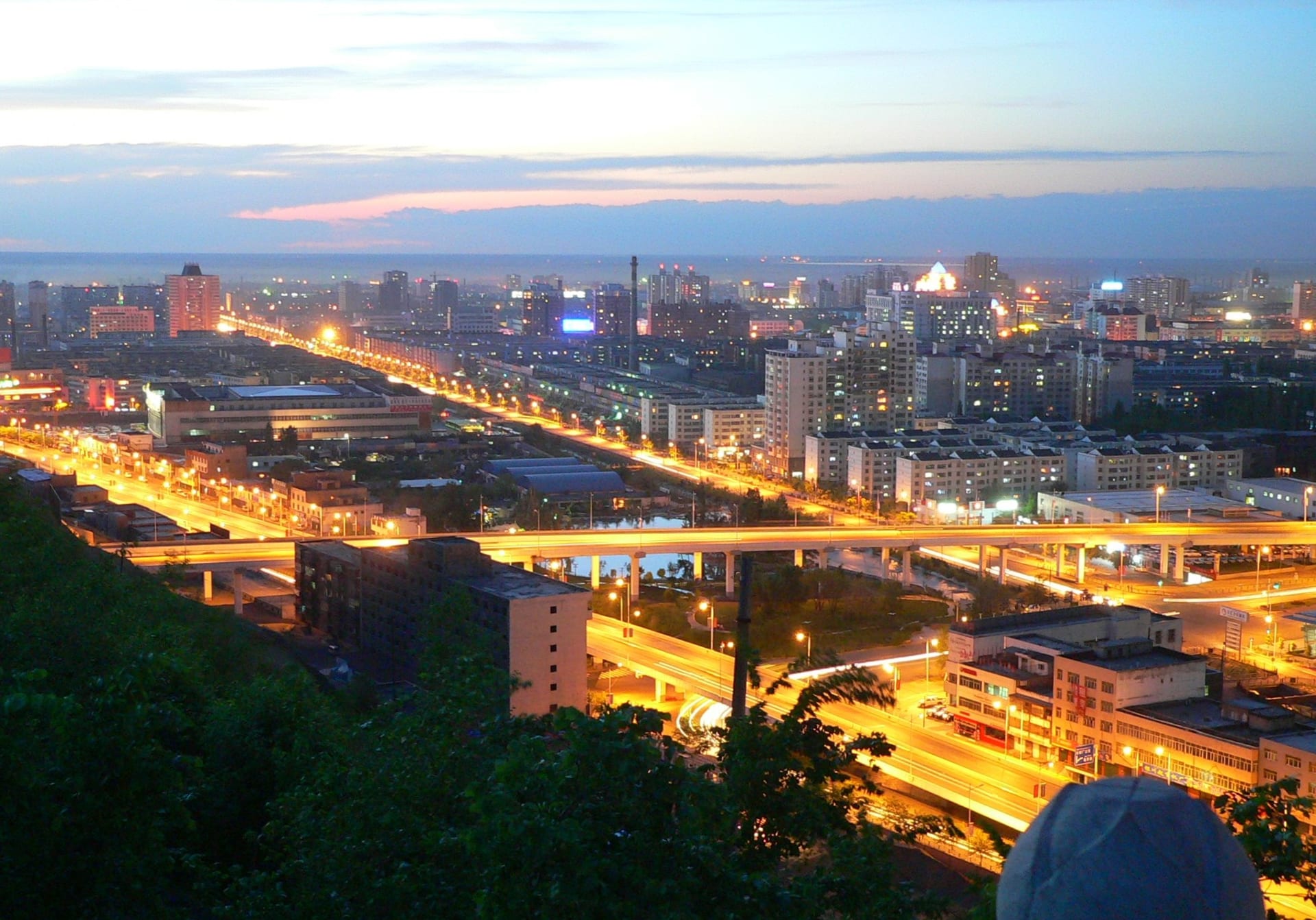
Yet the name Hetan preserves the memory of an earlier landscape, when water rather than traffic defined this corridor.
A river once moved through this space. Water followed the lower ground, and the city later grew along a similar route. Engineering altered the channel. Cars took possession of the corridor. But modern construction did not entirely change the direction that the landscape had chosen.
A city organised by a river depends on bridges. A city organised by cars depends on time.
People once described a location by saying which side of the river it stood on, or which end of a bridge it faced. Today, they are more likely to say that the journey takes twenty minutes in normal traffic and forty during the rush hour.
Nature first defined the corridor. Engineering rearranged it. Eventually, it became part of ordinary life.
A younger passenger may know only that the expressway becomes congested. An older one may remember stories of water and bridges. Two kinds of memory travel in the same vehicle along the same road.
Structures are demolished. Roads are widened. Rivers change course. Names remain in daily speech.
People do not always preserve history deliberately. Sometimes they simply continue to use it.
Migration Written on a Menu
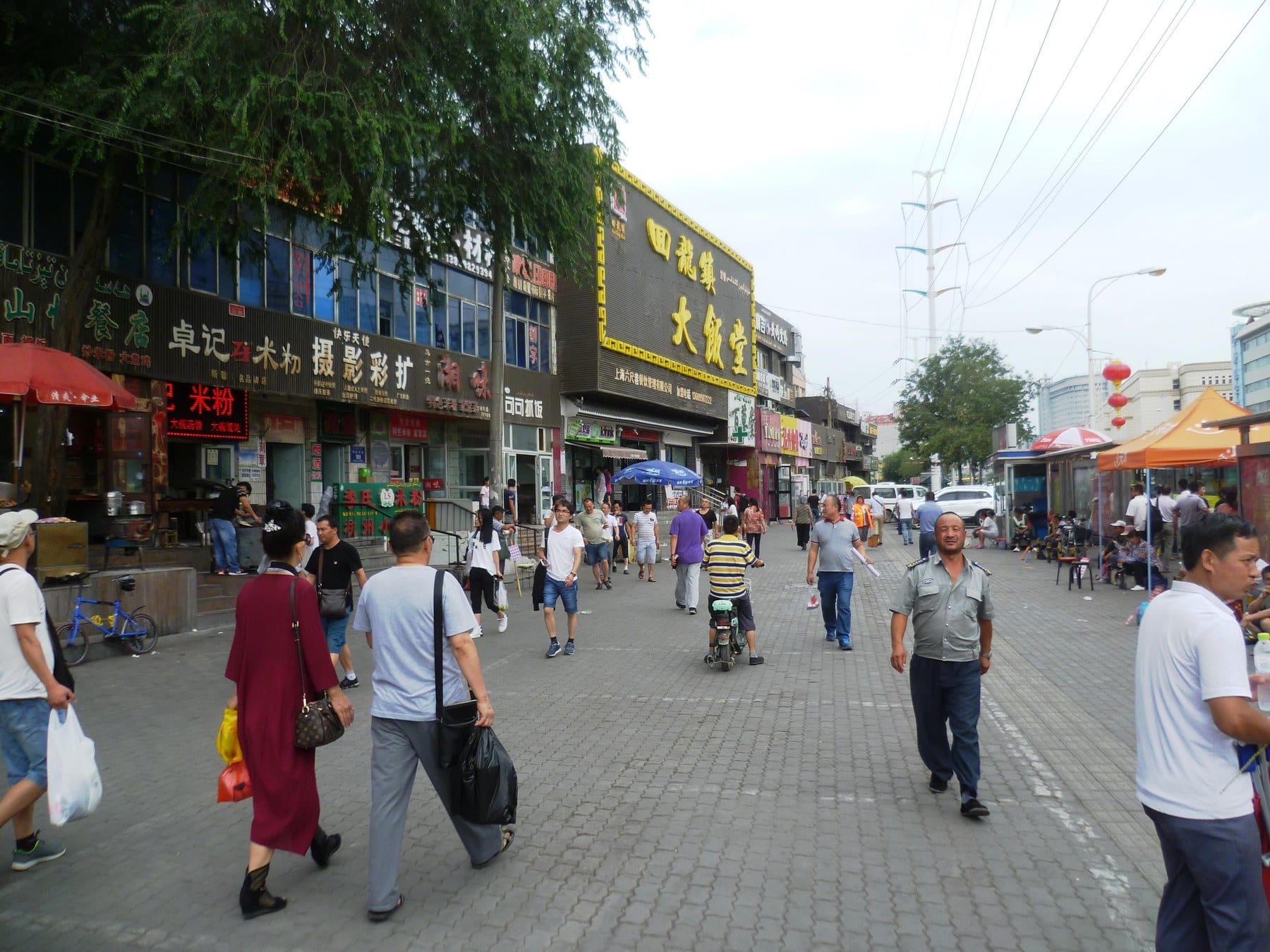
To understand Urumqi, spend some time on an ordinary street.
Begin with the restaurants.
Pilaf, laghman hand-pulled noodles, meatball soup, dumplings, Sichuan dishes and Xinjiang-style rice noodles may appear in neighbouring shopfronts. To a traveller, this can look like a generous local menu. To the city, it is closer to a history of migration written without dates.
People bring their appetites when they move.
The first generation searches for familiar flavours. The next grows up in Urumqi and no longer draws a clear line between food from the city and food inherited from a parent’s hometown. Dishes from different regions remain distinct, yet gradually become part of the same urban routine.
The way a city absorbs people eventually appears in its breakfasts and dinners.
In an unremarkable restaurant, a server may place a bowl of noodles before an elderly customer without asking what he wants. The customer says little. He opens his chopsticks and begins to eat.
They have clearly repeated this exchange many times.
The traveller sees lunch. The city preserves a familiarity that no longer needs to be confirmed.
Migration also remains in language and family memory.
In some homes, parents still speak with the accent of another province or town. Their children, however, know exactly which road in Urumqi becomes congested first and which bus will take them home.
The parents remember where the family came from. The children already know where they return to.
A city’s changing population enters speech, food, commuting and the small habits shared inside a household.
Two Kinds of Time at Erdaoqiao
By evening, the Erdaoqiao area and the Xinjiang International Grand Bazaar begin to glow.
This is one of the easiest parts of Urumqi for a visitor to see. Architecture, lights, food, performances and merchandise are gathered into a concentrated image of Xinjiang.
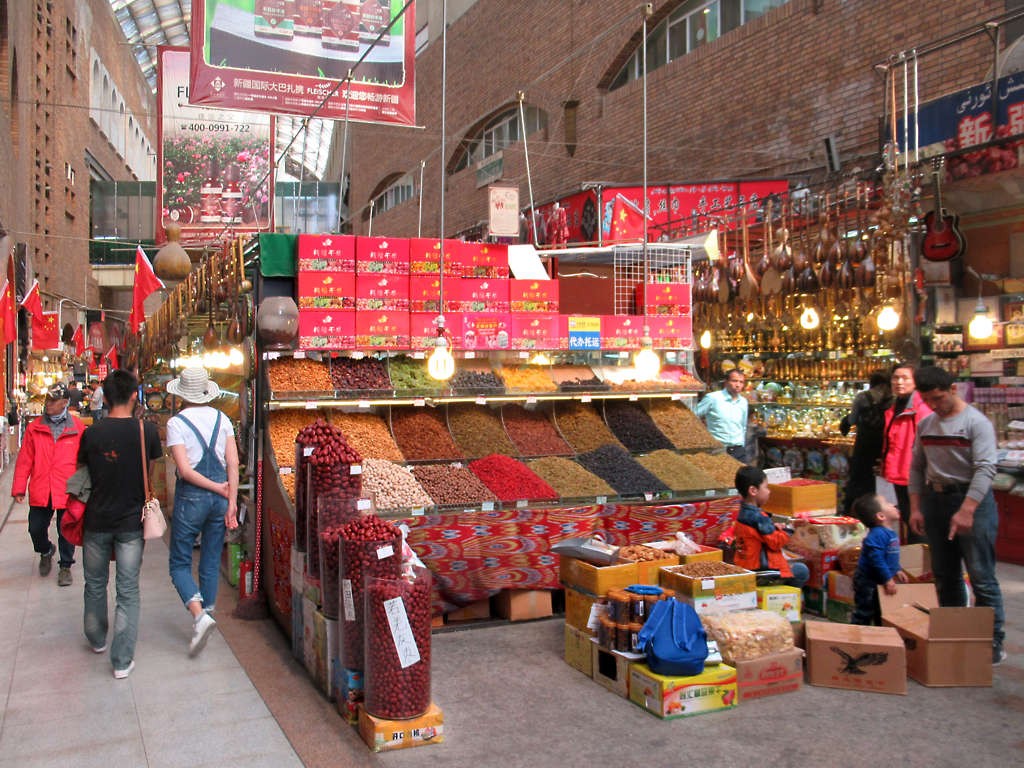
Travellers raise their phones. Some taste an unfamiliar dish. Others look for gifts. Many want the reassuring feeling that they have finally arrived somewhere recognisably different.
This is the time of travel. It is quick, concentrated and easily photographed.
But the same place follows another clock.
Shopkeepers count their stock. Employees prepare to finish the day. Nearby residents return home. Restaurants continue preparing food for the evening. After tourists have taken their photographs and left, workers clean their counters and wait for buses that will take them home.
For one person, the Grand Bazaar may be a high point of the journey. For another, it is simply the end of a working day.
Markets were not originally built to be observed. Their first purpose was exchange. Goods arrived, and people arrived with them. Languages, tastes, customs and news from distant places moved alongside commercial transactions.
Erdaoqiao still functions as a market, but it has also become a stage on which the city presents itself to outsiders.
Tourism makes culture easier to see. It also makes culture easier to consume.
That does not mean the display is false. It means that it has been selected.
A thoughtful traveller need not search urgently for what is supposedly the most authentic. It is more revealing to notice which goods are aimed mainly at visitors and which shops still serve nearby residents; what is placed beneath the lights and what remains behind the main street; which lives enter the camera frame and which are left outside it.
Understanding a place does not always mean discovering its single true version. Sometimes it means recognising which version of reality you are being shown.
A City Shaped by Season
The season of arrival changes the way Urumqi is understood.
Summer days are long. Dinner can begin late. Even after sunset, the streets retain some of the day’s warmth. People continue talking outside restaurants. Children remain in residential courtyards. Shopkeepers carry boxes of fruit indoors before closing.
Winter rearranges the city.
Cold draws life inside. Passengers board a bus and instinctively brush snow from their shoulders before loosening their scarves. The windows soon cloud with condensation. Someone seated beside the glass wipes a small clear circle with a hand and watches the road move slowly backwards.
For a visitor, this is one winter journey. For many residents, it is a life repeated every year.
People enter restaurants, shopping centres and homes from the cold. Glasses fog. Heavy coats are hung by the door. Central heating makes the two sides of a window feel like separate seasons.
For travellers, heating is a comfort. For residents, it is part of the structure that allows a city to live through the year.
Climate changes more than clothing. It changes where people gather, how they plan the day and why returning home means more than reaching an address. It means moving from cold into warmth.
Part of Urumqi’s character is found in the warm air that meets you when a door opens in winter.
What the Traveller Carries Away
A visitor cannot understand a city of millions in a single day.
But a day can change what the visitor notices.
After the museum, history no longer belongs only to glass cases. From Hongshan, the city becomes more than a field of buildings. Along Hetan Expressway, a road begins to carry the memory of water. On an ordinary street, a meal reveals the movement of families. At Erdaoqiao, the lights are joined by the quieter rhythm of work.
Urumqi does not exist entirely in its attractions. Much of it exists between them.
It is found on buses, in hospitals, schools, restaurants and markets. It survives in old place names used long after the places themselves have changed. It appears in the ease with which a regular customer is served without ordering, and in families whose answers to the question “Where are you from?” are not always the same.
At the end of a journey through Xinjiang, travellers often return to Urumqi.
Their luggage now contains photographs, dried fruit and dust gathered along the road. The airport or railway station may look much as it did on arrival, but the traveller has changed slightly.
The direction of Hetan Expressway is now familiar. The Tianshan Mountains have a known place to the south. The name Erdaoqiao means more than lights and souvenirs.
A city does not have to persuade someone to remain in order to be remembered.
Sometimes it is enough that, on hearing its name again, the traveller recalls a road beneath which water once flowed, mist gathering on a winter bus window, and the lives of people who turned a distant place into an ordinary day.
For the traveller, Urumqi may remain the beginning of a journey through Xinjiang. For those who live here, it is not an entrance to somewhere distant. It is the life that begins after arrival.